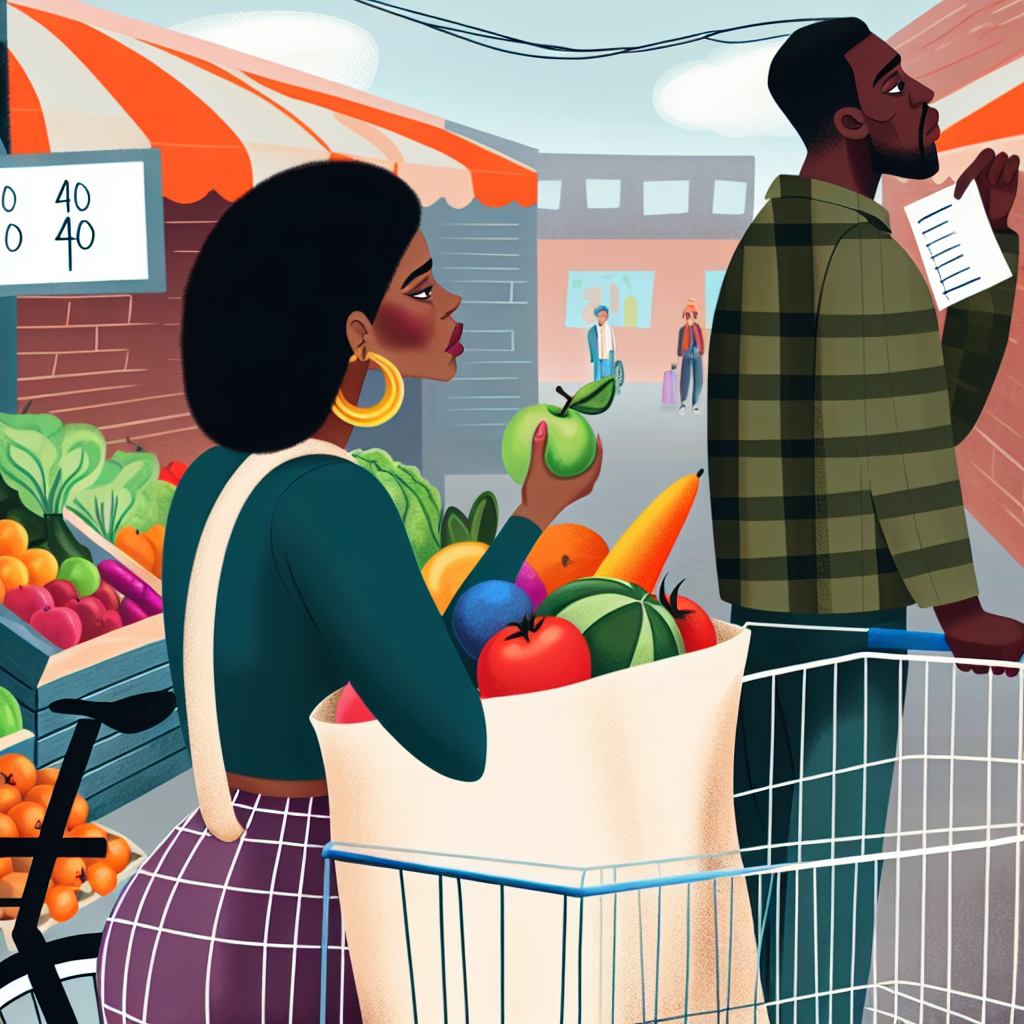
10 Fun Ways to Save on Grocery Bills and Be Eco-Friendly
Introduction
Hi there, smart shoppers and money savers! Welcome to our blog, where saving money is as fun as making a peanut butter and jelly sandwich. Lately, you might have noticed that grocery bills are getting bigger and bigger. Maybe the broccoli wants to be famous, or quinoa thinks it’s caviar. Whatever the reason, I’m here to help you save money and also be kind to our planet.
In today’s blog, we’ll look at clever ways to stretch your dollars at the grocery store, while also helping Earth. Ready to get started?
1. Plan Your Meals Smartly
First up, let’s talk about meal planning. Meals plans are your best friend when it comes to saving money.
-
Plan Your Week: Take a little time each week to plan your meals. It’s not just a list; it’s a plan for yummy dinners all week.
-
Stick to Your List: Avoid buying things you don’t need. Keep to your plan like cheese sticks to a hot pizza.
-
Use Online Tools: Check out apps like Mealime, Paprika, or BigOven that help you plan meals and make shopping easier.
2. Buy in Bulk
Buying in bulk is a great way to save money and use less packaging.
-
Stock Up on Essentials: Buy big amounts of things like pasta, rice, and beans. You’ll save money over time.
-
Store Right: Use airtight containers or old jars to keep your bulk items fresh and prevent waste.
-
Compare Prices: Look at how much items cost per unit or ounce. Bulk items often have a cheaper price.
3. Choose Seasonal and Local Produce
Eating what’s in season and buying local produce can save you money and help the planet.
-
Buy Local: Check out farmers’ markets for fresh and affordable fruits and veggies.
-
Know What’s in Season: Learn what produce is in season so you get the best prices and flavors.
-
Be Creative with Recipes: Try new recipes with seasonal produce, like zucchini flatbread or persimmon salad!
4. Grow Your Own Food
Growing your own food can be fun and rewarding, even if you’re new to gardening.
-
Start Small: Try growing easy things like lettuce, herbs, or tomatoes.
-
No Yard? No Problem!: Grow a little indoor garden with herbs on your kitchen windowsill.
-
Get Basic Tools: You will need simple tools like a spade, soil, and plenty of enthusiasm.
5. Eat Less Meat and Dairy
Let plants be the star of your meals. Eating less meat and dairy is good for your wallet and for the planet.
-
Help the Environment: Eating less meat and dairy saves money and helps reduce pollution.
-
Try Plant-Based Meals: Enjoy meals like chickpea curry, lentil soup, or bean burritos.
-
Discover New Proteins: Try protein-rich veggies like beans, lentils, tofu, and tempeh.
6. Use Leftovers Smartly
Turn old leftovers into new, delicious dishes!
-
Get Creative with Leftovers: Use leftover veggies in a frittata or extra pasta for a yummy pasta bake.
-
Prep Meals Every Week: Spend an hour each weekend preparing meals to avoid waste.
-
Find New Recipes: Check blogs and apps for exciting ways to use leftovers.
7. Use Sales and Coupons
Coupons aren’t just for grandparents—they’re for all smart shoppers!
-
Watch for Sales: Look for sales and discount coupons in flyers and online.
-
Find Coupon Apps: Use apps like Honey, RetailMeNot, and Coupons.com for great deals.
-
Compare Stores: See which store has the best prices on what you need.
8. Make Staples at Home
Sometimes making things at home is cheaper and fun!
-
Bake Your Own Bread: There are easy recipes online to make fresh, tasty bread at home.
-
Try Fermentation: Make your own yogurt, pickles, or kombucha and flavor them how you like.
-
Compare Costs: Often, homemade staples are cheaper than store-bought.
9. Avoid Processed Foods
Processed foods can be pricey and bad for the environment.
-
Go Fresh: Processed foods create waste. Eating fresh helps the planet and tastes great.
-
Healthy Snacks: Choose fruits, nuts, or homemade granola for healthier snacking.
-
Read Food Labels: Learn to understand food labels so you know what you’re buying.
10. Keep Track of Your Budget
Use apps or make a simple spreadsheet to track your spending.
-
Know Your Expenses: Keep track of what you spend each week to see where you can save.
-
Find Budget Tools: Use Mint, YNAB, or Excel sheets to keep organized and save money.
-
Review Your Spending: Regularly check and adjust your budget for more savings.
Conclusion
Congratulations, savvy shopper! You now have some great tips to save money and be eco-friendly. Remember, you don’t have to change everything all at once. Start with one or two tips that you like.
If you have any other ideas to be eco-friendly and save money, share them in the comments. Your cool ideas might be the next big thing!