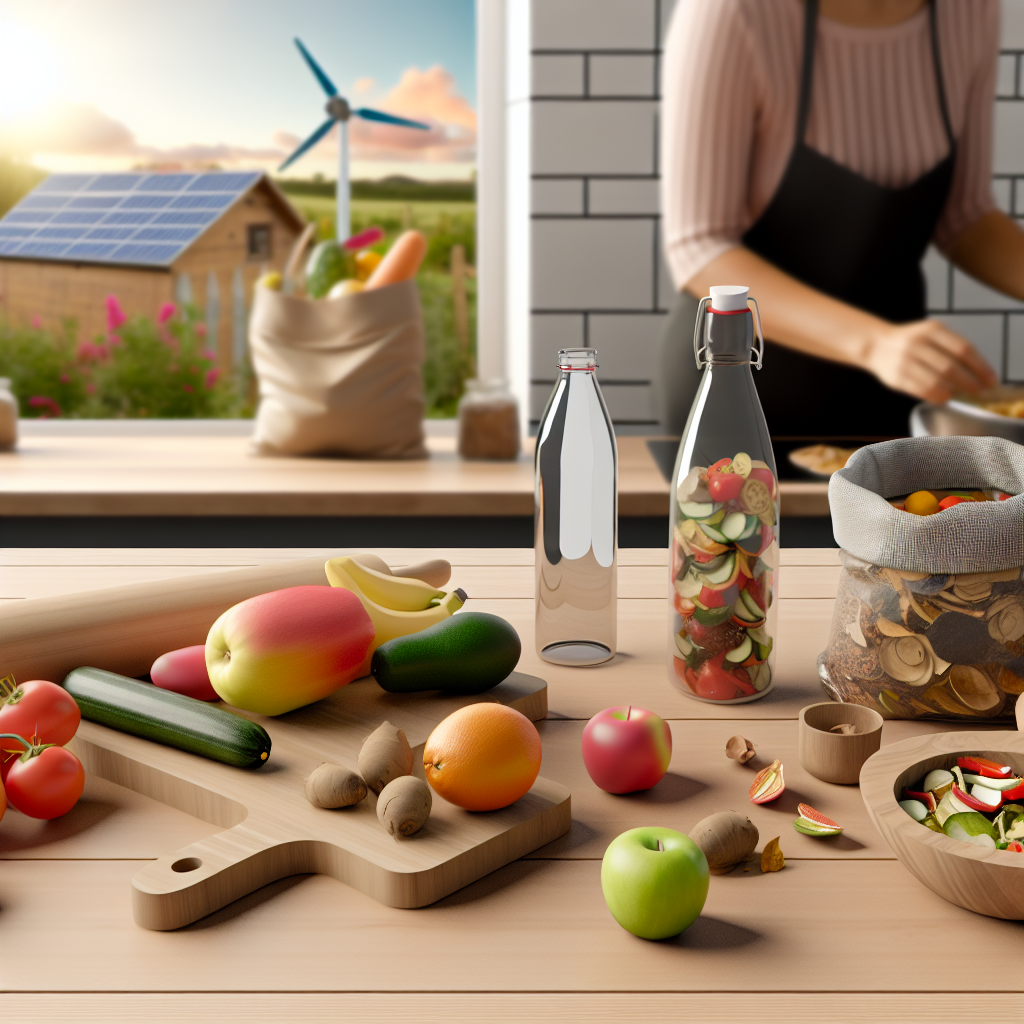
10 Essential Tips for Reducing Your Monthly Grocery Bill While Staying Eco-Friendly
Introduction
Hey there, thrifty earth lovers! Welcome to Frugal Zeitgeist, a place where we save money and help the planet at the same time. Today, we’re going to talk about grocery shopping and how to make it cheaper and greener. Some people think that being eco-friendly costs a lot, but that’s not true! You might be thinking of expensive organic food and fancy bread, but don’t worry. We’ve got some great tips for shopping smart and saving money while being kind to the earth.
So, let’s pull up our eco-friendly socks and check out these 10 tips to cut your grocery bill and stay eco-friendly.
Tip 1: Plan Your Meals
Planning meals is like being a superhero of saving! It helps you avoid buying things you don’t need, wastes less food, and makes yummy meals. Here’s how to do it:
- Write It Down: Decide what you’re going to eat for the week and write it down. Plan breakfast, lunch, and dinner so you don’t get tempted by expensive takeout.
- Use What You Have: Look through your pantry before making a shopping list. Maybe you find that can of chickpeas you forgot!
- Get Creative with Leftovers: Leftover pasta can become a new dish today. Mix it, match it, and heat it up!
Tip 2: Buy in Bulk
Buying in bulk is perfect for saving money. Here’s how:
- Savvy Stock-Up: Buy large packs of things like rice, beans, oats, and pasta. They’re usually cheaper in big amounts.
- Smart Storage: Put your bulk items in airtight containers to keep them fresh. Plus, it makes your pantry look beautiful and uses less plastic!
- Bring Your Jars: Some stores let you bring your own containers. Weigh them empty and fill them up at the store.
Tip 3: Embrace Plant-Based Options
Meat eaters, give this a try! Eating more plants can save you money and help the planet:
- Cheaper Eats: Beans, lentils, and veggies are often cheaper than meat. Try having a meat-free day to save some cash.
- Earth’s BFF: Plant foods use less water and fuel, which is better for the earth.
- Simple Swaps: Try dishes like stir-fried tofu, bean chili, or veggie soups.
Tip 4: Shop Seasonally and Locally
This tip is a double win! Shopping seasonally and locally helps your community and saves money. Here’s how:
- Keep In Season: Buying fruits and veggies that are in season is usually cheaper and tastier.
- Farm Fresh: Look for farmers markets or join a CSA to get fresh and local food.
- Cut Emissions: When your food doesn’t travel far, it’s better for the environment.
Tip 5: Avoid Processed Foods
Say no to boxed meals!
- Costly Convenience: Pre-packaged foods cost more because of production. Plus, they have a lot of packaging waste.
- Whole is Best: Choose whole foods like grains, nuts, and fresh veggies.
- Cooking Connoisseur: Make meals from scratch. It’s healthier, cheaper, and fun!
Tip 6: Use Coupons and Apps
Save money with just a few taps on your phone.
- Smart Shopping: Use apps like Honey or Coupons.com for deals.
- Coupon Strategy: Don’t buy things just because they’re on sale. Stick to your list.
- Digital Delights: Choose digital coupons to save paper.
Tip 7: Engage in Smart Storage
Keep your food fresh longer:
- Seal the Deal: Use beeswax wraps or silicone bags to keep food fresh.
- Chill Check: Organize your fridge so you can see everything and eat it before it goes bad.
- Organize On: A tidy pantry means less waste and less stress.
Tip 8: DIY Kitchen Staples
Make your own kitchen basics:
- Art of Homemade: Try making things like bread, pasta, or yogurt at home.
- Packaging Pass: Homemade means less packaging and no preservatives.
- Save and Savor: Save money and enjoy delicious food!
Tip 9: Compost Food Scraps
Compost is like magic for your garden soil.
- Golden Soil: Turn scraps into rich soil for your garden, reducing landfill waste.
- Simple Start: Use a small bin for scraps or start a compost pile in your yard.
- Green Thumb Savings: Compost is free plant food if you garden!
Tip 10: Invest in Quality, Eco-Friendly Reusables
Reusables are awesome for the earth:
- Bag It Up: Use reusable bags, containers, and produce bags.
- Plastic Pass: Swap single-use plastics for items that last longer.
- Essential Arsenal: Stock your kitchen with durable tools to make cooking green.
Conclusion
There you have it—ways to save money and help the planet at the same time! Try starting with one or two tips and work your way up to being an eco-hero. Your wallet and Mother Nature will thank you. Do you have any tips or stories to share? We’d love to hear them in the comments. Remember, we’re all a team in this eco-adventure! Stay thrifty and green, Frugal Zeitgeist style! 🌱💰
Leave a Reply