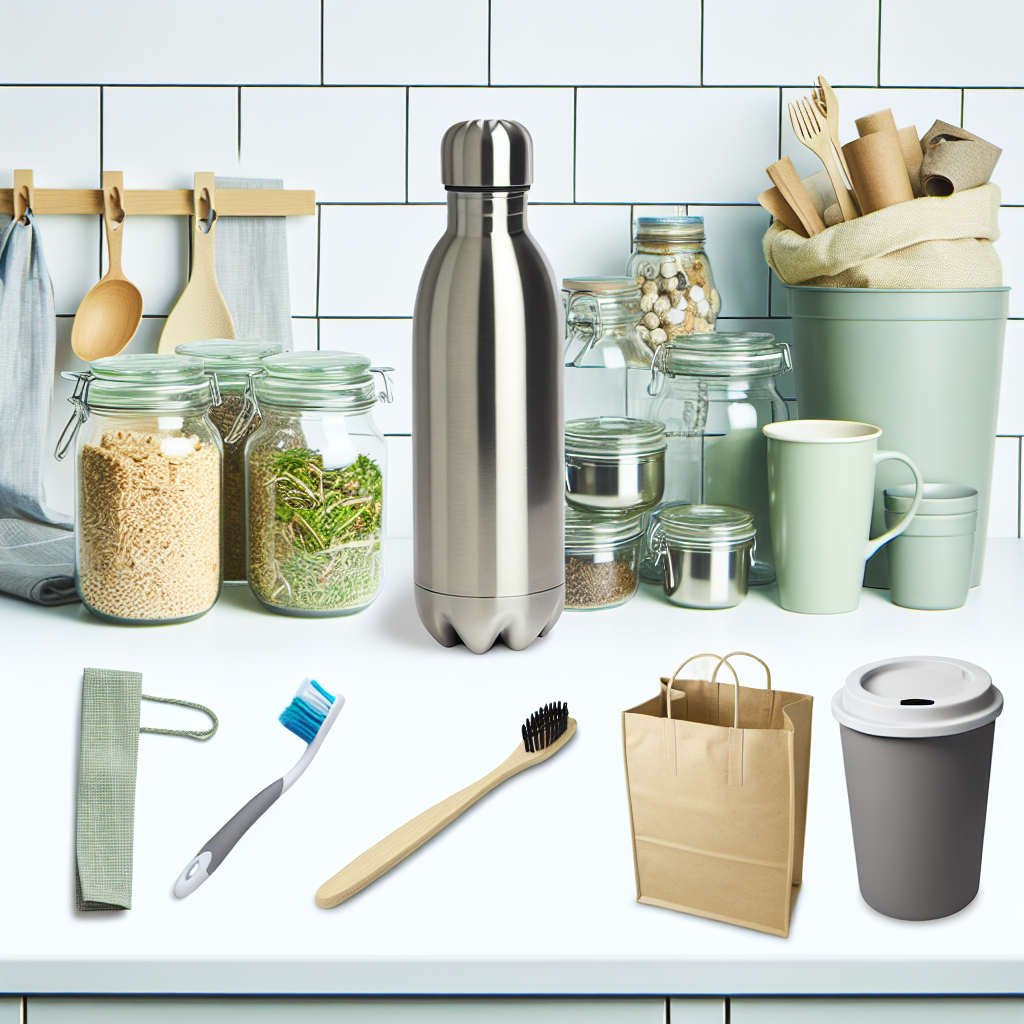
A completely waste-free kitchen is not a realistic standard for most households. Packaging, food scraps, broken tools, and local disposal limits still exist. A better goal is a low-waste kitchen: prevent edible food from being discarded, reduce repeat purchases, reuse safe materials, and handle the remainder according to local rules.
Start with your bin and food-waste habits before buying jars, baskets, or a “zero-waste” kit.
1. Audit one normal week of kitchen waste
For seven days, note what is thrown away and why. Separate edible food, unavoidable scraps, recyclable packaging, non-recyclable packaging, and disposable supplies. Do not buy anything yet. The audit shows whether the real problem is overbuying, poor storage, large portions, confusing dates, or packaging.
2. Create an “eat first” zone
Designate one visible refrigerator shelf or container for opened items, ripe produce, and leftovers. Label cooked food with the date and check the zone before planning meals. Visibility does more than an expensive matching-container system.
3. Store food for use, not appearance
Keep food in packaging that protects it, or transfer it to clean containers appropriate for the food. Use clear labels for bulk ingredients. Rotate older items forward. Do not reuse single-use packaging for tasks it was not designed to handle, especially heat or long-term storage.
4. Freeze small amounts before they decline
Freeze bread in portions, ripe bananas for baking, chopped herbs, cooked grains or beans, stock, and individual meals. Keep a freezer list and plan one freezer meal each week. Follow safe cooling, storage, thawing, and reheating guidance for your location.
5. Replace paper towels selectively
Cut worn cotton textiles into cleaning cloths and keep a small basket for used ones. Maintain separate cloths for food-contact surfaces, floors, and bathrooms. Paper products may still be appropriate for some greasy, hazardous, or unhygienic jobs; low waste is not the same as ignoring sanitation.
6. Use containers instead of disposable wraps when practical
Cover a bowl with a plate, pack lunch in a washable container, and reuse sound jars for suitable dry goods. Start with what you own. A purchased reusable only saves money if it repeatedly replaces a disposable and survives cleaning.
7. Buy loose or refillable only when it fits the budget
Compare unit prices, transport, minimum quantities, and the chance of spoilage. Ask whether a store accepts customer containers and how tare weight is handled. Less packaging is useful, but a costly bulk purchase that goes stale is not a win.
For planning and price comparisons, see How to Reduce Your Grocery Bill While Living Sustainably.
8. Make a few high-margin staples
Choose homemade foods with common ingredients and a short process: soup, dressing, popcorn, cooked beans, or simple bread. Skip projects that require specialist equipment or ingredients you will not use. Our quick flatbread is designed for exactly this situation.
9. Simplify cleaning without unsafe mixtures
Use up products already on hand and follow their labels. Mild dish soap and water handle many routine tasks. Do not mix cleaning chemicals. Vinegar can damage some stone and finishes, while vinegar and baking soda largely neutralize each other. Use the right product where disinfection or manufacturer care matters.
10. Compost or dispose of the remainder correctly
Prevent edible waste first. Then check what municipal green-bin programs or a well-managed home compost system accept. “Compostable” packaging may require industrial processing and may not belong in a home pile. Recycling symbols do not guarantee local acceptance; use current local instructions.
A low-waste kitchen reset
- Audit one week of waste.
- Fix the largest edible-food problem.
- Replace one frequently used disposable with something already owned.
- Compare unit prices before changing where or how you shop.
- Check local recycling and organics rules.
- Repeat the audit after four weeks.
The goal is not a photogenic pantry or a tiny jar of rubbish. It is a kitchen that spends less, uses food well, and creates less avoidable waste.
Last reviewed: September 2026. Food-safety, composting, and recycling guidance varies by jurisdiction; follow current local advice.