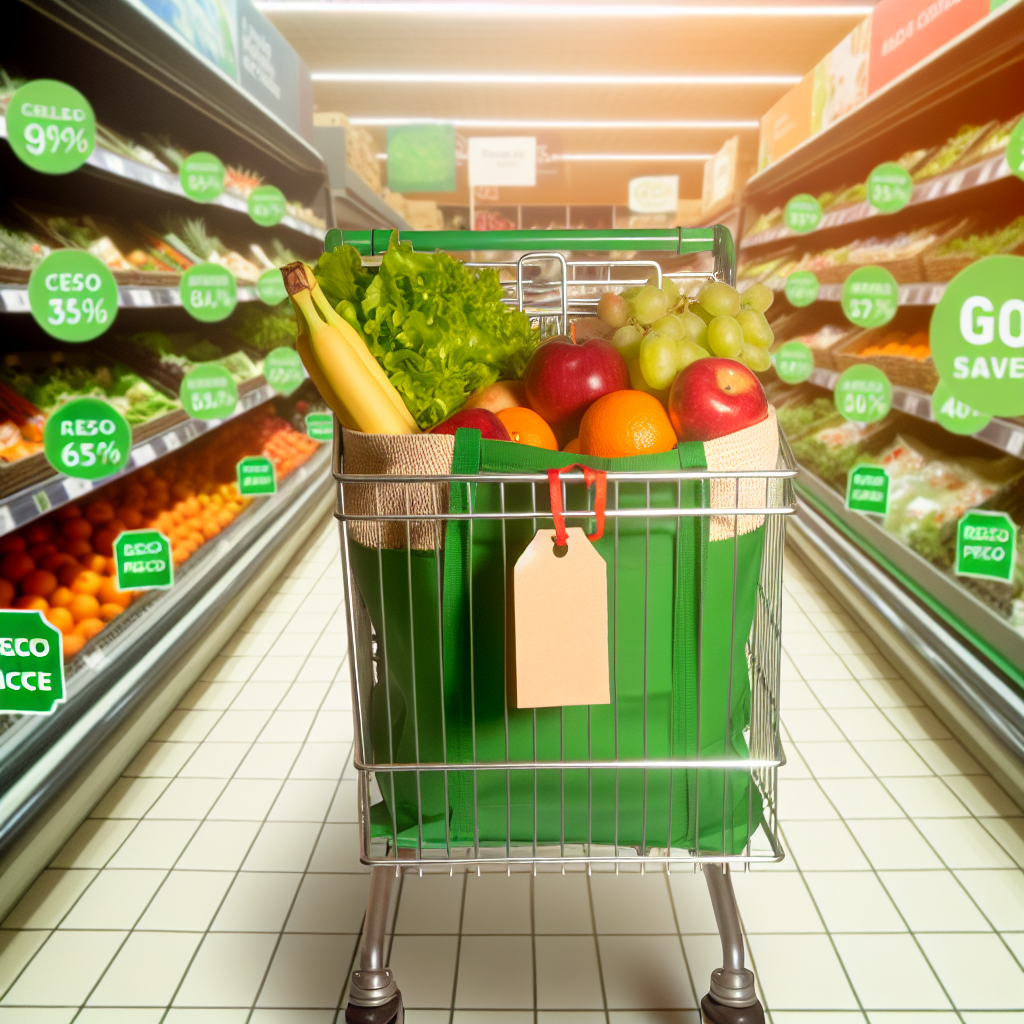
Frugal Zeitgeist: 10 Uncommon Tips to Save on Groceries and Help the Planet
Introduction
Groceries can be a real challenge for our wallets! Prices keep going up, and we’re also thinking about how to take care of our planet. Can we do both—save money and be kind to the Earth? Yes, we can! Welcome to Frugal Zeitgeist, where saving money and living green come together with a fun twist. Here are 10 unique and practical ways to lower your grocery bill and reduce your carbon footprint. Let’s find out how you can shop smart, live well, and love our planet—all without having to eat tons of ramen noodles!
Tip 1: Grow Your Own Herbs
You don’t need to be a pro gardener to grow herbs at home. Even if you’ve not been great at keeping plants alive before, an indoor herb garden is easy to manage and very rewarding!
- Save Money: Fresh herbs from the store can be expensive, but growing your own is a one-time cost that keeps giving.
- Help the Planet: Growing herbs at home cuts down on packaging waste like plastic and twist ties.
- Easy Herbs to Start With: Try starting with basil, mint, or chives. They’re easy and really useful!
Tip 2: Try a Plant-Based Diet
Eating more plants can save you money and help the Earth. You don’t have to become a full-time vegetarian or vegan to make a difference.
- Save Money: Meat and dairy are usually more expensive. By eating more beans, grains, and veggies, you save money and eat well.
- Help the Planet: Raising animals for meat and dairy uses a lot of resources. Eating less of these means you’re helping reduce demand.
- How to Start: Try having one or two plant-based meals each week, or join in on Meatless Monday.
Tip 3: Shop at Local Farmers’ Markets
Farmers’ Markets are a great way to meet the people who grow your food.
- Fresh and Maybe Cheaper: Buying directly from farmers can mean fresher produce and sometimes lower prices.
- Support Your Community: Shopping locally keeps money in your community and cuts down on the distance your food travels.
- Find Good Deals: Visit markets late in the day or when it’s raining—farmers might lower prices to sell their stuff!
Tip 4: Make and Follow a Meal Plan
A meal plan is a smart way to save money and reduce waste. It’s like your roadmap for the week.
- Save Money and the Planet: Planning meals cuts down on impulse buying, fast food trips, and spoiled food.
- Tips for Success: Spend some time on the weekend planning meals. You could have themed nights to make it easier.
- Helpful Tools: Apps like Mealime or Paprika can help you organize and plan your meals.
Tip 5: Buy Seasonal Produce
Eating with the seasons means fresher and cheaper fruits and veggies!
- Tastier and Cheaper: In-season produce is often more flavorful and affordable.
- Eco-Friendly: Choosing seasonal foods means less demand for items that need lots of resources to grow or ship.
- Try Seasonal Favorites: Enjoy autumn squash, winter citrus, spring greens, and summer berries as they come into season.
Tip 6: Buy in Bulk and Bring Your Own Containers
Skip those individually wrapped items and choose bulk instead!
- Save Money and Reduce Waste: Bulk shopping can lower costs, and using your own containers reduces packaging waste.
- Pro Tip: Look for nuts, grains, and spices. These items are often a great deal in bulk stores.
- Store Smart: Use airtight containers and label them. Keep your pantry neat and organized!
Tip 7: Make Your Own Cleaning Products
Once groceries are done, it’s time for some DIY cleaning products!
- Works Just as Well: Simple ingredients like vinegar, baking soda, and lemon juice can do wonders.
- Easy Recipes: Mix vinegar with water for a cleaner, or use baking soda paste for stubborn dirt.
- Benefits: Homemade cleaners are not only cheaper but also better for our water supply and your health.
Tip 8: Be Creative with Leftovers
Let’s give leftovers a round of applause! They’re a chance to get creative and make new dishes.
- Reduce Waste: Turn leftovers into something new and delicious rather than throwing them away.
- Recipe Ideas: Last night’s roast can become a stew, pasta sauce can be a soup base, and stir fry can fill wraps.
- Smart Storing: Use clear containers and label them to keep your fridge organized and avoid waste.
Tip 9: Use Technology for Savings
Technology can help find savings and eco-friendly choices!
- Savings Apps: Use apps like Ibotta, Honey, or Flipp for price comparisons, deals, and cash back.
- Eco-Friendly Choices: Apps like Think Dirty show product sustainability options to help you shop green.
- Align Savings with Green: Choose products that are both budget-friendly and good for the Earth.
Tip 10: Eat Less Processed Food
Processed foods aren’t the best for your wallet or the planet. Choose whole foods instead.
- Save Money: Whole foods are cheaper because they come with less packaging.
- Get Healthier: Whole foods are packed with nutrients, unlike processed foods.
- DIY Choices: Make your own granola, bake bread, or whip up salad dressings for a healthier option.
Conclusion
There you have it—ten tips to keep your grocery bill and carbon footprint small and cute. Even using just a few of these ideas can make a big difference. Stay tuned for more fun tips from Frugal Zeitgeist, where saving money doesn’t stop the fun. Until next time, happy grocery shopping!