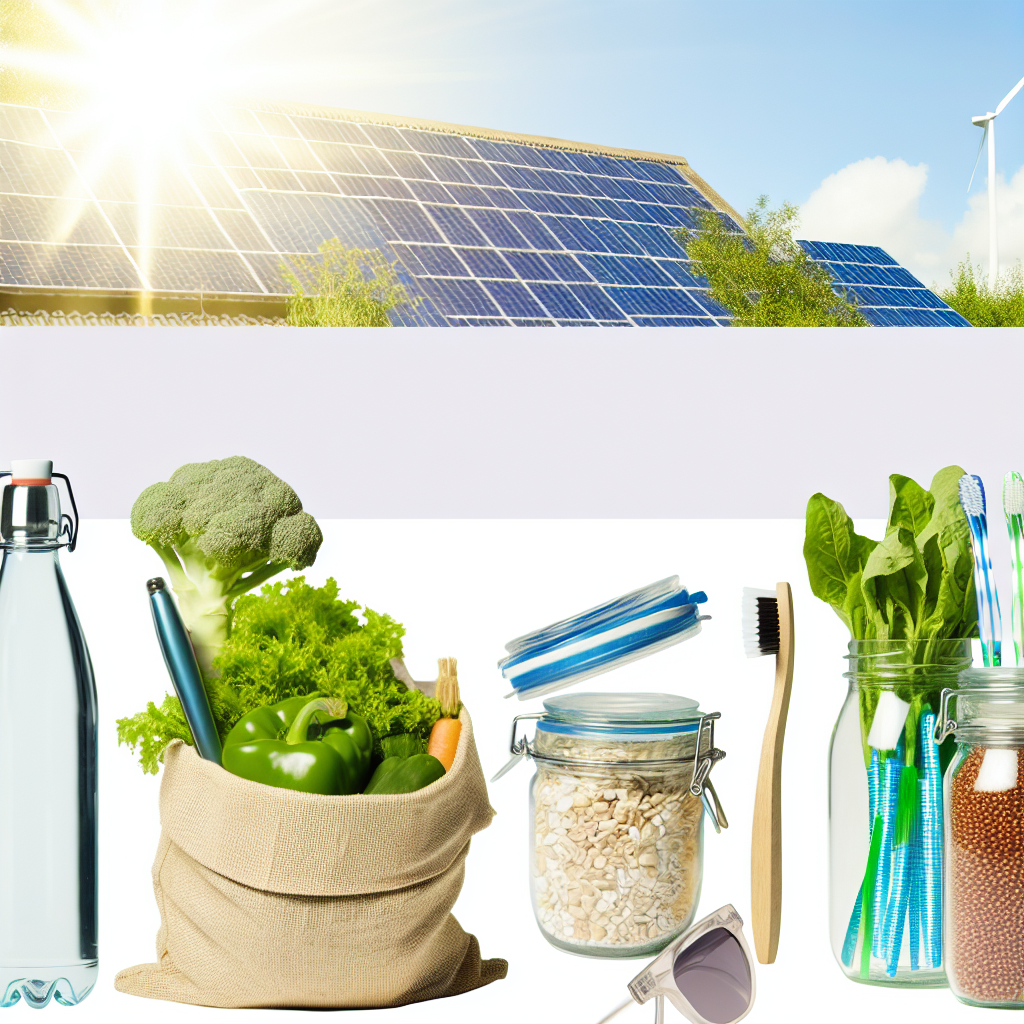
Top 10 Eco-Friendly Hacks to Slash Your Monthly Grocery Bill
Introduction
Oh, that never-ending grocery bill—it’s become a part of our regular headaches. Food prices keep going up so fast it’s like watching grandma knit at lightning speed. We all look for ways to save some money while also being kind to the Earth. Welcome to “Frugal Zeitgeist,” where saving money meets saving the planet. It’s like Thanksgiving dinner where everyone’s happy and full, without fighting over the last slice of pie!
Today, we’re going to talk about cool tips to save money on groceries and help the planet at the same time. So grab your reusable shopping bag, and let’s start this fun and eco-friendly journey together!
The Importance of Eco-Friendly Groceries
Regular grocery shopping can feel like a game called “How to Mess Up the Earth.” Waste from non-recyclable packaging, long-distance transport of out-of-season fruits and veggies, and energy used in food processing all add to our bad impact on the planet. But let’s change things up! By shopping in a better, eco-friendly way, we’re helping keep our planet healthy and saving money too. It’s like peanut butter and jelly, only better!
Hack #1: Plan Your Meals
Meal planning might seem scary, but it can really help cut down on food waste and your grocery bill. Here’s how to do it:
-
Create a Weekly Menu: Write down what meals you’ll make and the ingredients you need. This helps stop impulse buying and wasting food.
-
Use Seasonal & Local Produce: It’s usually cheaper and fresher with a smaller carbon footprint.
-
Make a Detailed Shopping List: Stick to it! But allow yourself one treat because you’re human.
Hack #2: Buy in Bulk
Ever see those bulk bins and wonder, “Who even uses those?” Well, buying in bulk can save money, cut down packaging waste, and help you get just what you need.
-
Common Bulk Items: Things like rice, pasta, beans, spices, nuts, and oats are great to buy in bulk.
-
Storage Tips: Use containers that seal tight to keep your food fresh. Label them so you don’t accidentally mix up sugar and salt.
-
Allergy Bonus: You can pick safe options and avoid cross-contact, especially for peanut allergies.
Hack #3: Embrace Plant-Based Meals
I know, the idea of less bacon is sad, but hear me out! Eating more plant-based meals can save you tons of money. Have you seen the price of beef lately? Plus, it’s much better for the planet.
-
Affordable Plant-Based Ideas: Things like bean chili, veggie stir-fry with tofu, or yummy lentil soups.
-
Sustainability Factor: Plant-based diets mean fewer resources to make, so they have a smaller environmental footprint.
-
Meat Reduction, Not Elimination: Try having plant-based days a few times a week. You might find it’s really tasty!
Hack #4: Grow Your Own Produce
Want to join those people who love to say, “In my garden…”? It’s time! Growing your own food means fresher ingredients and fewer trips to the store, and it’s great for your wallet.
-
Easy-to-Grow Options: Start with herbs like basil and mint, or vegetables like cherry tomatoes and bell peppers.
-
Urban Gardening: Use small pots, vertical planters, or windowsill setups to grow if you have little space.
-
Challenges: Yes, bugs and weather might annoy you, but your first homegrown tomato will taste like victory.
Hack #5: Prioritize No-Waste Cooking
Turn ‘waste’ into ‘yummy!’ by using all parts of your ingredients.
-
Use Those Scraps: Make things like potato peel crisps, veggie tops pesto, or apple core vinegar.
-
Zero-Waste Recipes: Try recipes that use leftovers, like carrot top chimichurri or watermelon rind pickles.
-
Composting: For stuff you can’t eat, composting is great for giving back to the earth.
Hack #6: Shop Smartly with Technology
If you’re tech-savvy and love saving money, this is for you! Apps can make you a grocery-saving expert.
-
Best Apps: Try apps like Ibotta, Checkout 51, or Honey for cashback and deals.
-
Digital Coupons and Loyalty Programs: Sign up for savings on your phone, so you don’t forget coupons at home.
-
Budget Tools: Use budgeting apps to track costs and stay on your grocery budget.
Hack #7: Choose Eco-Friendly Packaging
Packaging is like a sneaky villain that we often forget. Here’s how to lessen its impact:
-
Selectable Packaging: Choose products with recyclable or compostable packaging when you can.
-
Brainy Brands: Look for companies that use eco-friendly packaging.
-
Recycle or Repurpose: Old jars can be vases, storage containers, or even drinking glasses.
Hack #8: Support Local Farmers and Markets
Buying from local farmers means fresh food and fewer emissions—your community and the planet both win.
-
Benefits: Less distance means fresher food and fewer emissions while being kinder on your budget.
-
Boost Community: It helps local agriculture and keeps money nearby.
-
Market Savvy: Learn to haggle like your grandma’s grandma and watch for end-of-day deals!
Hack #9: DIY Food Staples
Put on your chef hat—making food staples at home can save money, and they taste better!
-
DIY Staples: Try making homemade bread, yogurt, nut milk, or pickles.
-
Cost Analysis: Homemade usually costs less than store-bought versions and skips preservatives.
-
Skill Resources: Use YouTube and online courses to guide you through DIY adventures.
Hack #10: Be Mindful of Portion Sizes
Like Yoda would say—mindful eating can reduce waste and stop you from buying too much.
-
Control Portions: Use smaller plates, count servings, and don’t cook for an army unless you have one to feed.
-
Effective Storage: Learn how to store leftovers so they last and can become new meals.
-
Gastronomic Gratitude: Enjoying smaller portions helps you savor flavors more, making saving money taste great!
Conclusion
There you have it, the top 10 eco-friendly hacks to help you save on your grocery bill and make the Earth happy too. These tips, when used over time, can make a big difference in how much you spend and how much you help the planet. Saving money and helping the Earth is not just a cherry on top—it could be the whole sundae!
Call to Action
Got your own eco-friendly grocery hack? Share it in the comments below! If you found this helpful, share it with friends and family. Let’s make living sustainably the next big thing—no hashtags needed!