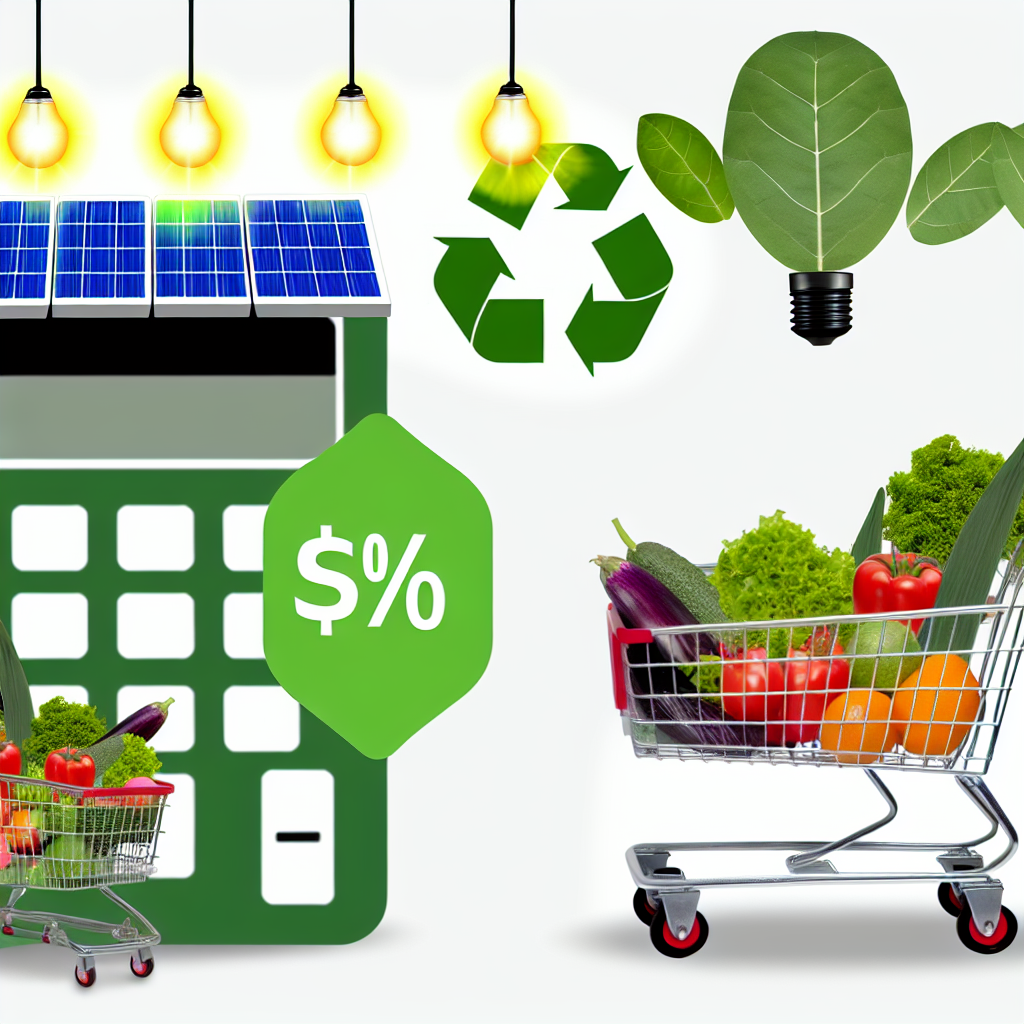
10 Surprising Ways to Cut Your Grocery Bill and Go Green
Welcome to Frugal Zeitgeist! Here, we love living well for less and taking care of our planet. Does keeping a budget while being eco-friendly sound hard? You’re not alone. Many of us wish for a perfect grocery list that’s kind to both our wallets and the earth. Guess what? This dream is easier to achieve than it seems! With some creativity and smart thinking, you can enjoy delicious green meals without spending too much. Let’s explore 10 surprising ways to cut your grocery bill and go green. Ready? Let’s dive in!
1. Choose Seasonal and Local Produce
Eating fruits and veggies that are in season is great for the earth and your wallet. Seasonal produce is cheaper and often tastier. Think about juicy strawberries in summer or crunchy apples in fall—sounds yummy, right?
Buying local produce means your food doesn’t travel far to get to you, which helps lower its carbon footprint and supports local farmers. Visit farmers’ markets or join a Community Supported Agriculture (CSA) program for the freshest produce. Your taste buds and wallet will thank you!
2. Buy Non-Perishables in Bulk
Buying in bulk can be both green and budget-friendly. Stock up on staples like grains, beans, and nuts to reduce packaging waste and save money. Plus, it’s fun to fill those glass jars in your kitchen!
Storing bulk items is easy. Use airtight containers and keep them away from light and heat. This way, your food stays fresh and you’ll feel like a sustainability superhero.
3. Plan Your Meals to Reduce Food Waste
Planning meals is key to wasting less food and saving money. By deciding what you’re cooking each week, you’ll only buy what you need.
Leftovers can become tasty new meals—get creative! Apps like Mealime or Yummly can help you plan. Watch your fridge get emptier and your wallet stay fuller!
4. Use Reusable Containers and Bags
Single-use plastics may seem cheap, but they cost more over time and harm the planet. Use reusable containers and bags instead.
Bring cloth bags when you shop, and store food in glass or stainless steel containers. They’re durable, save money in the long run, and help keep oceans cleaner.
5. Grow Your Own Herbs and Veggies
Become your own gardener! Growing herbs and veggies at home is like having a mini grocery store. Start with easy plants like tomatoes, lettuce, or peppers.
Find a sunny spot, plant some seeds, and watch them grow. You’ll enjoy fresh produce, fewer grocery trips, and lower costs. Homegrown food tastes the best!
6. Buy Generic or Store Brands
Generic or store brands might have simple packaging, but they often offer good quality at a lower price than name brands. Sometimes, they’re even made in the same place!
Store brands usually have simpler packaging, which is often better for the planet. Save money and help the environment—it’s a win-win!
7. Try Plant-Based Meals
Eating plant-based meals can save money and reduce your carbon footprint. These meals cost less because you skip expensive animal products.
Try dishes like lentil curry, chickpea stir-fry, or black bean enchiladas. If you’re curious about eating more plant-based foods, there are many resources to guide you. Your wallet and the planet will appreciate it!
8. Use Grocery Store Apps and Loyalty Programs
Your phone can help you save money! Many grocery stores have apps and loyalty programs with discounts and special deals.
Apps like Ibotta and Coupons.com give cashback and encourage reducing waste. Just remember to stick to your shopping list and avoid impulse buys. Pair them with your loyalty cards to save even more.
9. Make Your Own Cleaning Products
Why buy when you can DIY? Making your own cleaning products is good for your budget and the planet.
Try making a cleaner with vinegar and lemon or homemade deodorant without harmful chemicals. It’s fun, reduces packaging waste, and saves money. You’ll be cleaner, smell fresher, and have extra cash in your pocket.
10. Shop Mindfully
Mindful shopping means being thoughtful about what you buy, avoiding impulse purchases.
Check what you already have before shopping. Ask yourself if you really need extra snacks or if your usual greens are enough. Spend thoughtfully for a healthier wallet and planet.
Conclusion
There you go—ten tips to help you save money and be eco-friendly. Remember, small changes add up to a greener life that doesn’t break the bank. Start with one, two, or all ten tips and begin your budget-friendly, eco-conscious journey today. At Frugal Zeitgeist, we’re cheering you on. Happy saving and greener living! 🌱