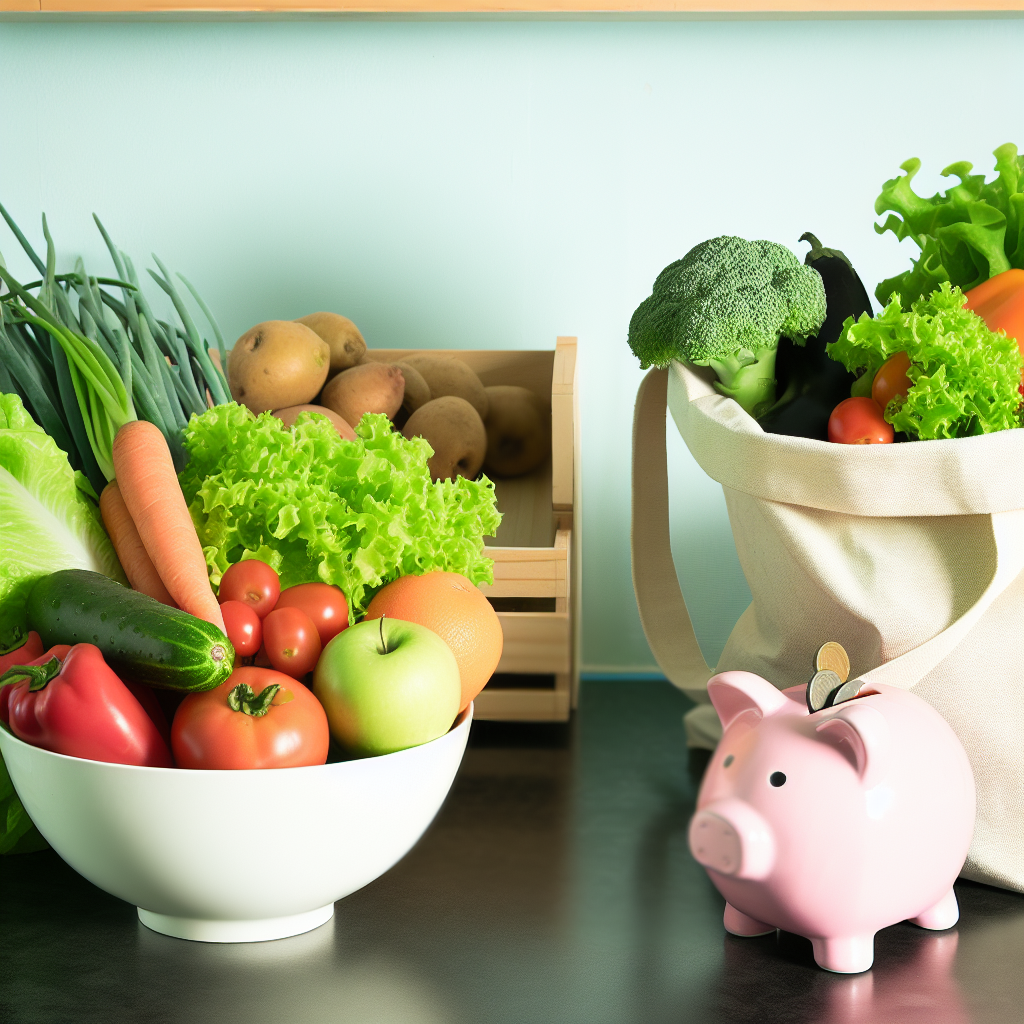
10 Genius Ways to Slash Your Grocery Bill While Eating Sustainably
Introduction
Welcome to Frugal Zeitgeist, where we love living sustainably without spending too much! We know that living a green lifestyle on a tight budget can be tricky, almost like trying to ride a unicycle and juggle at the same time. It’s tough, but not impossible. That’s why we are here—to help you do it! In today’s world, our choices impact the planet, and it’s important to make sure we live sustainably.
Today, we’re going to share ten smart ways to lower your grocery bill while being kind to Mother Earth. So, get ready because we are about to make eco-friendly shopping fun and easy on your wallet!
1. Plan Your Meals Carefully
Think of meal planning like a map guiding you through the store, helping you avoid buying things you don’t need. Planning your meals each week helps you make a good shopping list, saves you money, and reduces food waste at home.
Benefits of Meal Planning:
- Stops you from buying things you don’t need, so you spend less money.
- Reduces the amount of food that goes to waste, helping both your bank account and the environment.
- Gives you the chance to try new recipes and food combinations!
Tip: Start by listing your favorite meals and mixing in new recipes. Websites and apps can help by suggesting meals based on the ingredients you already have at home.
2. Enjoy Plant-Based Meals
Join the plant-based meal revolution and discover how affordable these meals can be. Reducing meat consumption can help you save money and lessen your carbon footprint, which is a double win!
Suggestions for Plant-Based Eating:
- Try legumes and grains like chickpeas, lentils, and rice—they’re healthy and filling.
- Buy seasonal veggies—they cost less and taste great.
- Try “Meatless Mondays”—your wallet and the planet will thank you.
Fun Fact: Plant-based proteins like beans and lentils are much cheaper than meat.
3. Buy in Bulk
Buying in bulk is a great way to save money and reduce packaging waste.
Recommended Items to Buy in Bulk:
- Get rice, pasta, and grains—these are staple foods for many meals.
- Buy nuts and seeds for a healthy snack or meal topping.
- Pick up eco-friendly cleaning items like vinegar and baking soda; they’re affordable and very useful.
Tip: Bring your own containers to the store to reduce plastic use.
4. Shop Local and Seasonal
When buying fruits and veggies, go for local and in-season produce. It’s fresher, tastes better, and is usually cheaper because you’re just paying for the food, not the transport or storage.
Advantages of Buying Local and Seasonal:
- Supports local farmers and the community.
- Your food has a smaller carbon footprint because it’s traveling less.
- It’s often more affordable because it’s fresh and available.
Pro Tip: Visit farmers’ markets or use local produce delivery services for great deals.
5. Reduce Food Waste
Aim for “waste not, want not” in your kitchen. By using all your food wisely, you can make your groceries last longer.
Strategies to Minimize Food Waste:
- Get creative with leftovers to make casseroles, soups, or stir-fries.
- Store your food the right way to keep it fresh longer.
- Use the “first in, first out” system to make sure older items get used once they’re bought.
Challenge: Once a week, make a meal with only leftovers or unused ingredients.
6. Grow Your Own Produce
Don’t worry if you’ve never gardened before. Anyone can start growing their own food and save money.
Starter Crops for Beginners:
- Start with herbs like basil and mint—they’re easy to grow.
- Easy-to-grow veggies include tomatoes and lettuce.
- Try container gardening if you’re short on space.
Did You Know? Herbs can grow just fine on a sunny windowsill and need little care.
7. Use Coupons and Promo Codes
Coupons aren’t just for older folks! Anyone can save money using these to cut their grocery costs.
Resources for Coupon Hunters:
- Use grocery store apps for quick savings.
- Check out websites for deals on sustainable products.
- Sign up for loyalty rewards programs to earn discounts.
Note: Look for digital coupons—they’re more eco-friendly!
8. DIY Sustainable Alternatives
Create your own products instead of buying expensive ones at the store.
Ideas for Homemade Goods:
- Make your cleaning solutions using things like baking soda and vinegar.
- Create beauty products using natural items such as coconut oil and essential oils.
- Bake your own bread and snacks to save money.
Bonus: It feels great to say, “I made this!”
9. Watch Your Meat Consumption
Eating less meat can help you save money and decrease your carbon footprint.
Tips to Cut Down on Meat Costs:
- Choose lean cuts or smaller portions for balanced eats.
- Try less popular cuts that are delicious and cheaper.
- Use plant-based protein for hearty meals.
Hint: Mix a bit of meat with lots of veggies for tasty meals that save money.
10. Choose Reusable Over Disposable
Using reusables might cost a bit more at first, but they save money in the long run and are better for the environment.
Swaps to Consider:
- Use cloth napkins instead of paper towels.
- Bring your reusable shopping bags to eliminate plastic bags.
- Store food in glass containers—they’re safer and last longer.
Tip: Using reusables means less waste and more eco-friendly choices.
Conclusion
So there you have it, my friends! With these ten smart tips, you can cut down on your grocery bill while still helping the planet. Remember, it’s about making progress, not being perfect. Start by trying a few ideas, and as you get more comfortable, add more into your routine.
At Frugal Zeitgeist, we’re all about living well, being kind to the planet, and not spending a fortune. Let’s work together to make the world a better place—and have fun doing it!