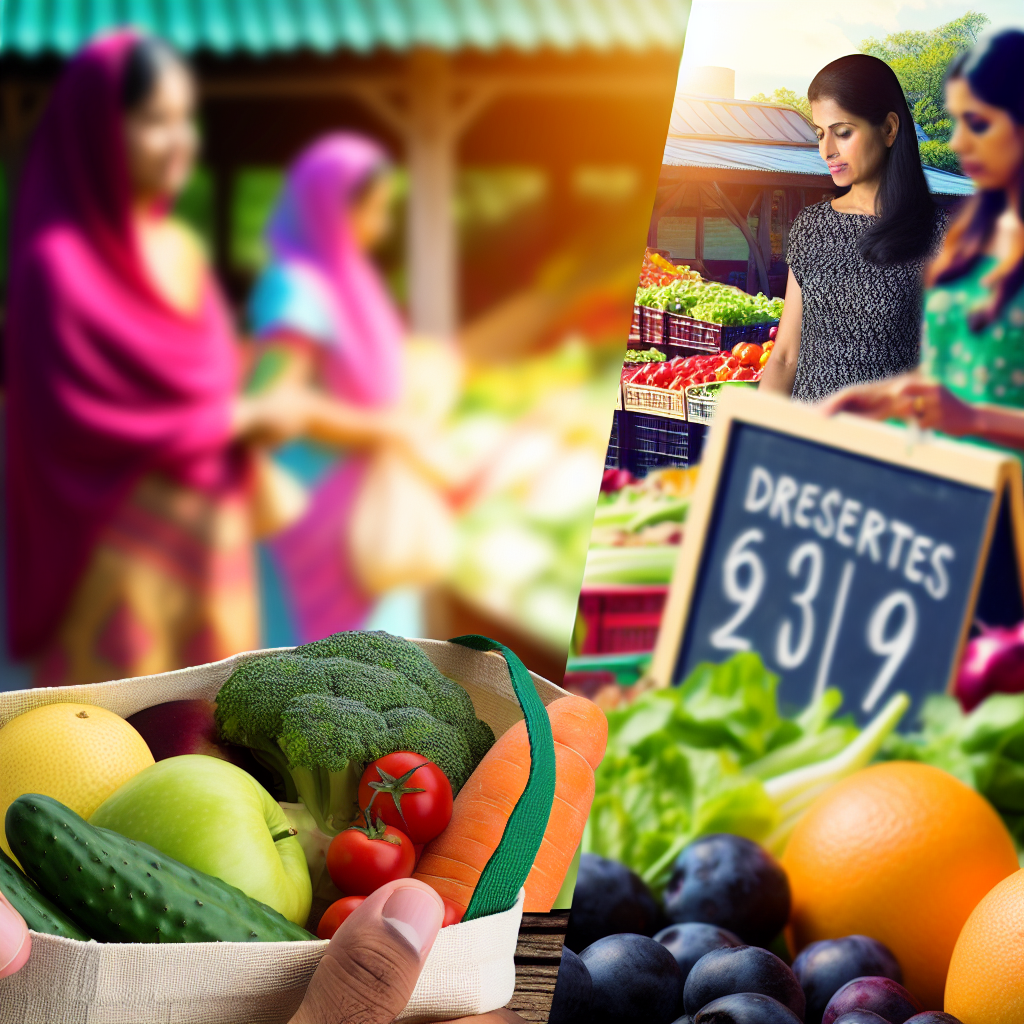
10 Fun Ways to Save on Groceries and Help Local Farmers
Welcome to Frugal Zeitgeist, where saving money doesn’t mean you have to eat boring meals! Today, we’re going to explore how you can help local farmers while also saving money on groceries. Think of it as Farm-to-Frugal! Buying from local farmers means fresh produce for you and support for the local economy. Let’s get started on these money-saving tips!
1. Join a Community Supported Agriculture (CSA) Club
Have you ever wished you had a farmer friend who gave you fresh produce every week? That’s exactly what a CSA is! In a CSA, you pay for a share of a farm’s harvest ahead of time. So you get fresh food, and the farmer gets a guaranteed customer. To find a local CSA, check out websites like LocalHarvest.org. Plus, the surprise veggies you’ll get each week might lead to some unexpected and yummy meals!
2. Visit Farmers’ Markets
Do you enjoy walking around on a Saturday morning, surrounded by colorful and delicious-smelling foods? Then farmers’ markets are perfect for you! Buying directly from farmers often costs less because there are no middlemen. Sometimes, you can even haggle for discounts or bigger bundles. Plus, the seasonal fruits and veggies might surprise your taste buds!
3. Buy in Bulk and Save
Be like a squirrel and stock up on food! Buying lots of food during the peak season can save you money. Whether you get a big batch of apples or tomatoes, you can save them by canning, freezing, or drying. This way, you will have strawberry jam in December without spending extra money!
4. Grow Your Own Garden
Ever wanted to grow your own carrots? Starting a small garden at home can be a lot of fun! Try easy plants like lettuce, tomatoes, or herbs. Not only will you save money, but you’ll also understand how much work goes into growing your food. It’s a great way to say thanks to all the local farmers!
5. Eat Seasonal Produce
Eating what’s in season isn’t just for animals; it’s smart for people too! Seasonal produce is usually cheaper because there’s a lot of it. Make a meal plan using seasonal fruits and veggies. Research what’s in season, and build your menu around it. You can enjoy spring salads and winter stews all year long!
6. Team Up with Neighbors for Buying
Why shop alone when you can shop together? Ask friends or neighbors to join you in buying directly from farmers at a discount. Form a group to make bulk purchases. Not only will you save money, but you’ll also build community bonds. Plus, it’s fun to share recipes and ideas!
7. Use Technology to Find Discounts
Have a smartphone? Great! Use it to find local deals and promotions with apps like Farmstand. These apps often have special discounts that help you buy fresh, local foods within your budget. The internet hasn’t replaced farmers’ markets—it’s made them even better!
8. Work on a Farm for Fresh Food
Get your hands dirty and save money at the same time! Many farms let you work in exchange for fresh produce. You’ll save money, get exercise, and learn about farming. Check out opportunities on websites like WWOOF, or contact local farms directly.
9. Make Delicious Meals with Leftovers
Be a chef and use every part of your veggies! Good cooking skills help reduce waste. Make dishes like frittatas or soup, where you can use fresh veggies in fun ways. Say goodbye to forgotten vegetables and hello to tasty meals and saved money!
10. Join a Local Food Co-op
A food co-op is a store run by its members! Everyone shares resources and savings. They usually focus on local and organic items. By joining, you support local farmers and can save money on organic goods. Look for a co-op online or ask around your neighborhood.
Conclusion
Helping local farmers is good for your body, community, and the planet, and it doesn’t break the bank. Whether you’re working on a farm or growing your garden, these fun ways can save you money and make you feel good too. Try some of these tips and enjoy Farm-to-Frugal living today! Got any tips or stories to share? Post them in the comments below!
Additional Resources
- LocalHarvest – Find CSAs, farmers’ markets, and more.
- “The Omnivore’s Dilemma” by Michael Pollan – Learn why it’s important to know where your food comes from.
- WWOOF – Find work-exchange programs on organic farms worldwide.
Living frugally has never been so tasty—or meaningful. 🍏