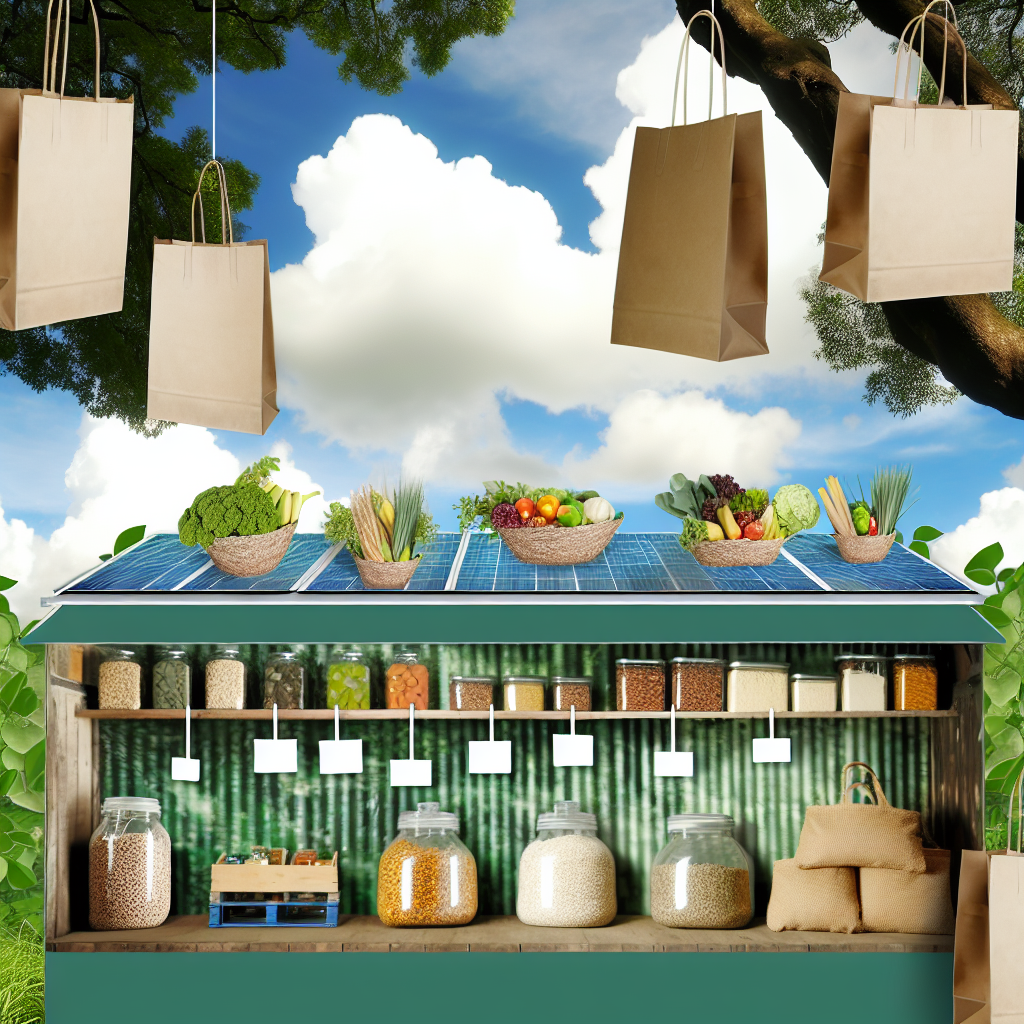
Top 10 Eco-Friendly Hacks to Slash Your Grocery Bill and Save the Planet
Welcome to Frugal Zeitgeist! Here, we love the idea of both saving money and saving the planet. Imagine this: every shopping cart you push down the grocery aisle is like a little eco-friendly machine. With some smart and sustainable shopping habits, you can help your wallet and Mother Earth feel better. Get ready, because today we’re diving into the top 10 clever hacks that will cut down your grocery bill and make your carbon footprint smaller.
1. Plan Your Meals
The golden rule of saving money is to plan, plan, and plan some more! Meal planning is like making a treasure map to delicious meals without getting lost in wasting food or spending too much money.
- Reduce Waste and Expenses: By planning your meals, you only buy what you need and avoid buying things on a whim.
- Reusable Meal Plan Template: Have a digital or paper template where you can write your weekly meals. Want to make it better? Laminate it and use dry-erase markers—it’s not just for kids!
- Sample Strategies: Try theme nights like Taco Tuesday to keep things fun and organized.
2. Shop Seasonally
When life gives you seasonal produce, you can save money (and earn some eco-points)!
- Cost Benefits: Seasonal produce is often cheaper because it’s plentiful, and it doesn’t have to travel as far to reach your store, saving on gas and pollution.
- Environmental Impact: Buying seasonal helps local farmers and lowers the carbon footprint from long shipping distances.
- Finding Seasonal Produce: Chat with your local farmer, visit farmer’s markets, or see what your grocery store has a lot of.
3. Buy in Bulk
Visiting the bulk section can feel like entering a land of savings where everything is magical and costs less.
- Advantages: Your wallet will be happy, and you’ll decrease packaging waste.
- Effective Storage: Use airtight containers to keep items fresh and organized in your pantry.
- Top Bulk Items: Look for grains, nuts, cereals, and spices—these are great to buy in bulk.
4. Use Reusable Bags and Containers
Single-use plastics? We need to part ways with them like an old friend from the past.
- Environmental Impact: Single-use plastics add to landfill issues and ocean pollution. Oh no!
- Money-Saving Alternatives: Invest in strong cloth bags and glass containers—they’re a one-time buy with long-lasting benefits.
- Best Practices: Keep some bags in your car or by the door, so you’re ready to save the planet like a superhero with a tote bag.
5. Grow Your Own Herbs and Vegetables
Imagine picking fresh basil for pasta sauce right from your backyard. It’s not just a dream but a win for your wallet and the environment.
- Financial Benefits: Growing your own herbs and veggies can save you a lot.
- Beginner-Friendly Options: Start with basil, parsley, and cherry tomatoes—your new green friends.
- Maximize Small Spaces: Use windowsills, vertical planters, or balcony gardens for efficient gardening!
6. Opt for Plant-Based Meals
Get excited about saving money and helping the earth by eating more plant-based meals!
- Cost Savings: Using plant-based ingredients can stretch your money more than meat does.
- Environmental Benefits: Eating less meat can really lower your carbon footprint.
- Starter Meal Ideas: Try lentil soup, bean salad, or a yummy chickpea curry!
7. Preserve and Freeze Leftovers
Leftovers should never be underestimated! They’re like the exciting next part of a book.
- Minimize Waste: Freeze leftovers or preserve food by canning and pickling.
- Preservation Techniques: Use vacuum-seal bags or glass jars to keep food fresh longer.
- Creative Recipes: Turn leftover veggies into soups or yesterday’s pasta into a tasty frittata.
8. Utilize a Shopping List
Just like a pirate with a treasure map, you’ll want a shopping list to lead your frugal quest.
- Avoiding Impulse Buys: A list helps you focus and avoid grabbing things you don’t need.
- Efficient List-Making: Sort your list by areas of the store for quick shopping.
- Tech-Savvy Tools: Apps like AnyList or Out of Milk can make this super easy.
9. Choose Local and Organic When Possible
Local and organic foods might sound fancy, but they’re worth every penny.
- Economic and Environmental Impact: Helps local businesses and lowers transport pollution.
- Support Local Farmers: Buying local ensures you know where your food comes from and helps your local community.
- Finding Markets: Use websites like LocalHarvest.org to find markets near you.
10. Embrace DIY Cleaning Solutions
Buying cleaning products can sneak into your grocery bill and cost too much.
- Connection to Groceries: They often add up on receipts, perfect for cutting costs.
- DIY Solution Recipes: Mix vinegar, water, and essential oils for a great all-purpose cleaner.
- Long-Term Benefits: You’ll use fewer chemicals and save a lot of money over time.
Conclusion
There you have it—a list of smart tips for grocery shopping that’s better for your wallet and the planet. Remember, you have the power to make changes. Start small, try these hacks at your own pace, and soon you’ll lower your grocery bill and your impact on Earth.
Call-to-Action
What eco-friendly grocery hacks do you use? Share them in the comments below! For more fun tips on living sustainably and budgeting, follow Frugal Zeitgeist. Together, we can make saving money and helping the environment best friends!