Author: forest.parks

  • 10 Creative Ways to Spend Less While Living Sustainably

    10 Creative Ways to Spend Less While Living Sustainably

    10 Creative Ways to Spend Less and Live Sustainably

    Introduction

    These days, every penny and choice makes a difference, so living sustainably is more than just a trend—it’s a way to help both the planet and your wallet. At Frugal Zeitgeist, we’re all about saving money and living sustainably. When you make eco-friendly choices, you reduce waste, protect the earth, and save money, too. In this blog post, you’ll find 10 fun ideas to live sustainably without spending too much.

    1. Upcycling and Repurposing

    Upcycling is like giving old things a new and exciting life. Instead of throwing items away, you can transform them into something new. Turn old t-shirts into tote bags, use glass jars as organizers, or make rustic shelves from wooden pallets. Upcycling is not just good for the earth; it’s an excellent way to be creative and save money. So, get your crafting tools and let your imagination shine!

    2. DIY Household Products

    Say goodbye to harsh chemicals and too much plastic with DIY household products. These homemade items are not only better for the planet, but they also cost less than store-bought versions. You can create a cleaning solution with vinegar, baking soda, and some essential oils, or make a gentle fabric softener using vinegar with lavender. Your house will be clean and smell amazing—without spending a lot!

    3. Zero-Waste Grocery Shopping

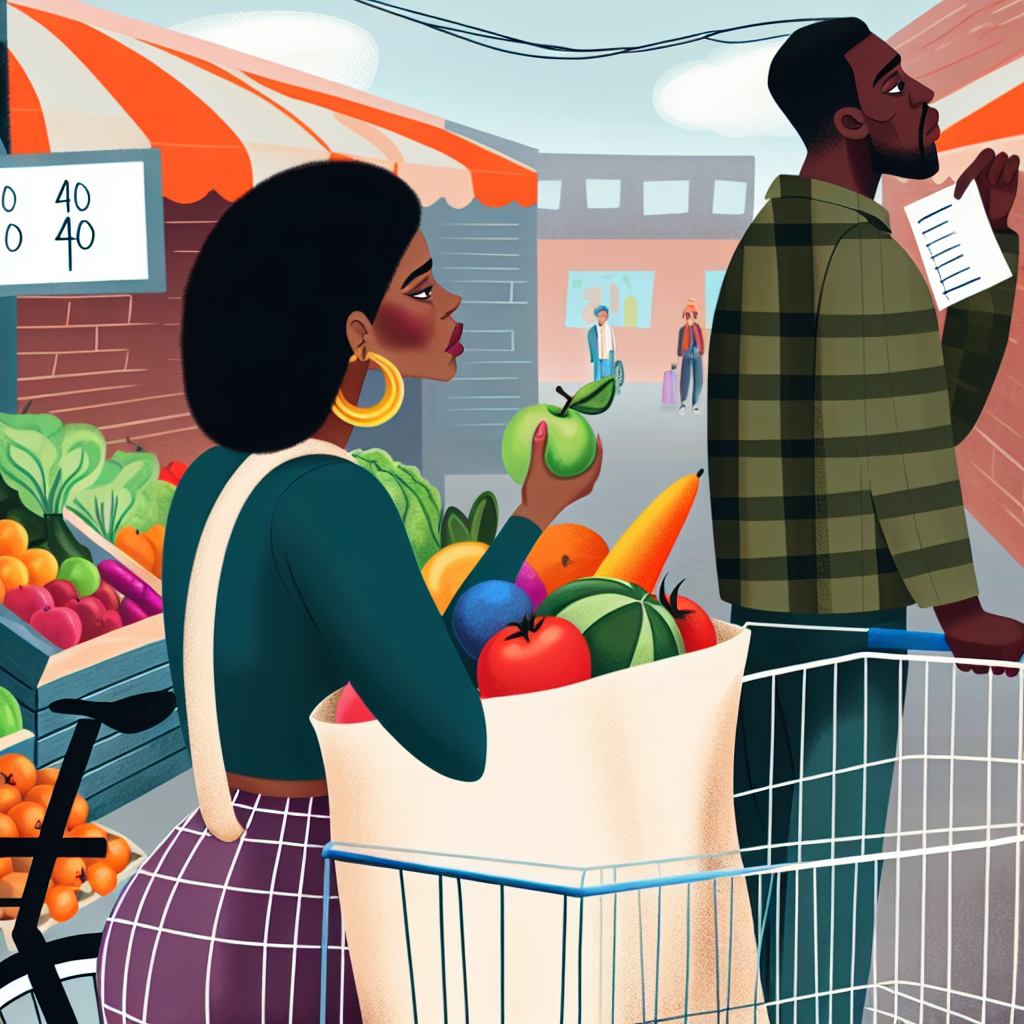
    Zero-waste shopping is a great way to help the earth and save money. Bring your reusable bags and containers to the store. Buy grains and spices from bulk bins to avoid extra packaging. This way, you reduce waste and save cash that would have gone to brand-name packaging. Check out local zero-waste stores or markets for even more savings.

    4. Energy-Efficient Home Improvements

    Make your home an energy-saving place with simple and affordable changes. Use thick curtains for insulation, seal drafts with weatherstripping, or try window film for comfort all year round. Energy-efficient appliances might seem expensive at first, but they’ll save you money on your utility bills over time. Your home will be cozy and your wallet will thank you!

    5. Thrift Shopping and Clothing Swaps

    Unleash your inner treasure hunter with thrift shopping and clothing swaps. Thrift stores are full of unique items, from vintage clothes to quirky home decor, all at low prices. Want to have a stylish wardrobe and be eco-friendly? Host or attend clothing swaps. It’s like shopping without the stress of spending too much. Plus, it’s a great way to reduce waste and fill your closet with charming second-hand items.

    6. Grow Your Own Food

    Try your hand at gardening by growing herbs, fruits, and vegetables at home. Whether you have a big yard or a small balcony, there’s space for a few plants. Home gardening helps lower grocery bills and gives you fresh, organic produce. If you’re feeling extra adventurous, start a community garden with your neighbors. You’ll enjoy homegrown meals, learn new things, and build stronger community ties.

    7. Sustainable Transportation

    Swap your car for a bike or walk short distances for earth-friendly travel. Biking and walking are good for your health and the environment. For longer trips, consider carpooling or using ride-share programs. Electric scooters or bikes are another option to explore. Watch your transportation costs go down while you help reduce pollution.

    8. Mindful Water Usage

    Treat water as the precious resource it is, even if it’s free from the tap. Fix leaky taps and take shorter showers to save on your water bill. Install low-flow fixtures on faucets and showerheads, and consider rainwater harvesting for gardening. Being mindful about water usage saves money and helps conserve this valuable resource.

    9. Sharing Economy and Community Resources

    Join the sharing economy where borrowing is just as great as buying. Before purchasing equipment you rarely use, check out platforms and local groups offering rentals or borrow options. Look for community tool libraries or neighborhood lending groups. Sharing and borrowing help save money and resources, benefiting everyone.

    10. Minimalist Lifestyle Practices

    Minimalism means having less stuff, more living, and being mindful of what you consume. Declutter your space and focus on what’s truly important. Instead of buying on impulse, think carefully about each purchase. Less clutter means less stress and more savings. The minimalist formula is simple: buy less, waste less, and enjoy life more.

    Conclusion

    There you have it—10 creative ways to blend sustainable living with smart money choices. Start small and watch big changes happen. At Frugal Zeitgeist, we believe that small steps make a big impact. Gradually try these practices and rediscover the joy of spending wisely. Ready to explore sustainable savings? Share your ideas with us, and together, let’s build a world of eco-friendly and frugal living.

    Additional Resources

    Want to learn more? Check out these sources:

    • Sustainable living blogs: The Lazy Fair, My Plastic-Free Life
    • Online communities: Reddit’s Frugal Living, The Minimalists’ forums
    • Must-watch documentaries: “The True Cost,” “Minimalism: A Documentary About the Important Things”

    Call to Action

    We’d love to hear your sustainable living stories or smart tips! Share them in the comments below. Follow Frugal Zeitgeist for more exciting talks on eco-friendly and budget-wise living. Join us to celebrate the mix of sustainability and thrift—we’re growing greener together, one experiment at a time!

  • 10 Surprising Eco-Friendly Swaps That Will Save You Money and the Planet

    10 Surprising Eco-Friendly Swaps That Will Save You Money and the Planet

    10 Surprising Eco-Friendly Swaps That Will Save You Money and the Planet

    Introduction

    Hey there, planet heroes and money savers! Welcome to Frugal Zeitgeist, where we mix saving the Earth with saving your money. Today, we’re going to explore some surprising swaps that help the planet and keep more cash in your pocket. By the end, you’ll be ready to switch from wasteful habits to smart choices that are just as good for your savings as they are for Earth. Let’s get started!

    1. Reusable Cloth Napkins vs. Disposable Paper Napkins

    Did you know making paper napkins is a big cause of cutting down trees and creating waste? They might be easy to use, but they harm the environment a lot. Enter reusable cloth napkins! They’re a cool and cheaper choice that’s kind to the Earth and your wallet. They might cost more at first, but they save you hundreds on paper napkins over the years. Plus, they look nice and make any meal fancy, whether it’s a special dinner or just lunch by yourself.

    2. Rechargeable Batteries vs. Single-Use Batteries

    Batteries are super helpful, but single-use ones are really bad for the environment. Rechargeable batteries are the answer! You can use them hundreds of times, cutting down on waste and harmful chemicals. Over time, you’ll save a lot of money. Imagine what fun you’ll have with those savings! Some good rechargeable brands are Eneloop and AmazonBasics. They might just make you love your gadgets even more.

    3. Solid Shampoo Bars vs. Liquid Shampoo in Plastic Bottles

    Who knew you could take care of your hair and the Earth at the same time? By switching from plastic bottles to solid shampoo bars, you reduce packaging waste and might even love your hair more. Bars last as long as liquid shampoos and are easy to travel with—no spills in your luggage! Brands like Ethique and Lush offer bars that help your scalp and the planet. Your hair and wallet will thank you.

    4. Glass or Stainless Steel Water Bottles vs. Plastic Bottles

    Plastic bottles—yuck! They’re bad for the Earth and create lots of waste. Switching to glass or stainless steel bottles is easy and powerful. These bottles last a long time and come in many styles, making you the hydration hero of your friends. Plus, they save you from buying bottled water again and again. Drink, save money, and do it all over again!

    5. DIY Cleaning Solutions vs. Commercial Cleaners

    Store-bought cleaners can be full of harmful chemicals and cost a lot. Why buy them when you can make your own powerful cleaners with things you already have? A simple mix of vinegar, baking soda, and lemon can clean almost anything! Plus, it’s super cheap. Check out these simple recipes:

    • All-Purpose Cleaner: Mix equal parts vinegar and water in a spray bottle. Add lemon juice for a fresh scent.
    • Glass Cleaner: Combine two cups of water, ½ cup vinegar, and ¼ cup rubbing alcohol.
    • Bathroom Scrub: Mix baking soda and a few drops of dish soap into a paste.

    6. Cloth Produce Bags vs. Single-Use Plastic Bags

    It’s hard not to pick up those plastic bags at the store, right? But here’s a better way! Cloth produce bags are the strong helpers for your grocery trips. They’re durable, washable, and keep fruits and veggies fresher. You’ll avoid plastic bag fees, too. Plus, they’re cool enough to earn you the “Eco-Tastic Shopper of the Year” title!

    7. Energy-Efficient LED Bulbs vs. Incandescent Bulbs

    Want to light up your life without spending a lot or using old-style lights? Energy-efficient LED bulbs are what you need. They use up to 85% less energy and last way longer than regular bulbs. You’ll save money on electric bills and less on bulbs. IKEA and Home Depot have lots of choices that save energy and give off a warm light. Trust us, you’re going to love LEDs!

    8. Solar-Powered Chargers vs. Conventional Electronic Chargers

    Step into the future with solar-powered chargers! They help you cut down on electricity use and use the sun’s power! You’ll pay a bit more at first, but the savings on electric bills are worth it. Try brands like Goal Zero or Anker for charging anytime, even if you’re in the middle of nowhere.

    9. Wool Dryer Balls vs. Fabric Softener Sheets

    Fabric softeners can be bad for your health, your wallet, and the planet with their chemicals and the cost of buying more. Wool dryer balls work better by cutting drying time, using less energy, and even reducing static. Your clothes will feel soft after each wash, and these balls can be used many times. Plus, you can add a few drops of essential oil for good-smelling laundry!

    10. Homemade Food Storage Wraps vs. Plastic Wrap

    Plastic wrap is like a clingy friend who won’t leave. Get rid of it with homemade beeswax wraps. They’re easy to make, can be reused many times, and help save the planet and your money. Beeswax wraps cut down on plastic waste and wrap your food like a good help. They say saving a bee is like saving a penny—or something like that!

    Conclusion

    There you go—ten swaps to save money and make the world a bit greener. Each swap is a win-win, mixing saving money and thoughtful buying. Start small by picking a few swaps for your life. Remember: every little bit helps, and together we can make a change that’s both strong and wonderful.

    Call to Action

    Ready to change the world, one swap at a time? Tell us your favorite swap in the comments, or share other ideas you’ve tried. Don’t keep these savings to yourself—share this post with friends and family. Finally, subscribe to Frugal Zeitgeist for more ways to live well for less. Together, we’ll make both cents and sense of eco-friendly living!

  • 10 Innovative Ways to Slash Your Grocery Bill While Going Green

    10 Innovative Ways to Slash Your Grocery Bill While Going Green

    10 Cool Ways to Cut Your Grocery Bill and Help the Earth

    Introduction

    Let’s all agree, grocery shopping can be a bit of an adventure. You go in with a plan, team up with the avocados, and hope you make it to checkout with all your items. But unlike adventures on TV, this one can truly help your wallet and our amazing planet. Welcome to the Frugal Zeitgeist, where we explore smart ways to save money and go green. We have 10 clever ideas that will help you keep more cash and be kind to Mother Earth. A superhero cape is not needed!

    1. Try More Plant-Based Meals

    Did you know eating less meat can save you money and help the environment? Meals with plants often cost less and use less water and land. Start with foods like lentils, chickpeas, and quinoa. They’re not only cheap, but they are also full of nutrients! Try having “Meatless Monday” at home to begin. Your budget (and waist) will thank you!

    2. Buy Food That’s in Season and From Nearby

    Imagine biting into a sweet, juicy peach from a farm nearby. It’s not only delicious, but also cheaper than one brought in from far away. Seasonal foods often cost less because they don’t need to travel far or be stored a long time. Plus, buying locally helps reduce pollution from transportation. Check out nearby farmers markets or join a farm-share to support your local growers.

    3. Grow Your Own Veggies and Herbs

    Imagine picking fresh herbs from your garden or even your window ledge. Growing your own food can save a lot of money and gives you fresh, pesticide-free produce. Start with easy plants like basil, tomatoes, mint, and green onions. These can grow well in small gardens or pots. Plus, gardening helps the environment by supporting different plants and animals. It’s a win-win!

    4. Waste Less Food

    Around the world, about 1.3 billion tons of food is wasted each year. Instead, plan your meals and make shopping lists to help reduce waste and expenses. Store food properly with airtight containers and freeze what you can’t use right away. Less waste means more savings!

    5. Buy in Bulk and Use Refill Stations

    Buying in bulk is like finding a treasure! It saves money and reduces packaging waste. Items like grains, nuts, and even cleaners can be bought in bulk. Local refill stations for things like beans, rice, and spices often mean less packaging. Future you will be glad you bought in bulk!

    6. Use Tech and Apps

    Let technology be your helper! There are many apps to make shopping easier. Apps like Flipp offer discounts and coupons for eco-friendly items, while Too Good To Go helps save extra food from nearby stores. Also, apps like Mint can help you track spending and find sneaky expenses. Let the digital age help you save!

    7. Get Creative with Leftovers

    Why not make a yummy soup or frittata with last night’s leftovers? Keep scraps in a freezer bag until you have enough to make something new. Leftovers reduce waste and can be tasty creations. Think of each bite as a chance to make something delicious!

    8. Make Your Own Cleaning Products

    Why buy when you can DIY? Vinegar and baking soda can become cleaning supplies. Try making beauty products like face masks or scrubs at home. The internet is full of DIY recipes—try them and see what works for you.

    9. Choose Better Packaging

    Packaging matters! Look for brands with simple, recyclable options. Use cloth bags, and your own containers to cut down on plastic waste. Small choices make big differences, helping to clean our oceans and landscapes. Let’s take care of our planet together.

    10. Support Good Brands

    Supporting brands that care about the earth is a great way to help our future. Look for labels like Fair Trade or USDA Organic to guide your buying. Sometimes sustainable items cost more upfront but last longer and are better quality. In the long run, your savings will grow!

    Conclusion

    There you go—ten fun ways to lower your grocery costs and help reduce your carbon footprint! From trying new plant-based recipes to starting a garden, every step helps. Share these ideas with friends and family to spread the green love. The Frugal Zeitgeist supports you on this journey to a sustainable and smart lifestyle. Remember, saving the world can be as simple as smart shopping! Enjoy saving!

  • 10 Genius Ways to Slash Your Grocery Bill While Eating Sustainably

    10 Genius Ways to Slash Your Grocery Bill While Eating Sustainably

    10 Genius Ways to Save Money on Groceries and Help the Planet

    Introduction

    Hey, Frugal Zeitgeist friends! Have you noticed your grocery bills getting bigger lately? You’re not the only one. Food prices are climbing higher, and everyone is talking about it. But don’t worry! We have a plan that will help you spend less and take care of the Earth at the same time. That’s right—you can save money and be eco-friendly. So get ready for some awesome tips that will make your wallet and the planet happy!

    Section 1: Planning and Preparation

    Create a Weekly Meal Plan

    No more “What’s for dinner?” problems that lead to pizza deliveries. A weekly meal plan is your helper that stops dinner disasters and cuts down on waste. The secret? Use seasonal and local produce. It saves you money and makes your meals tasty and fresh!

    Make a Comprehensive Grocery List

    Put on your list-making hat. This isn’t just a simple list with “eggs, milk, bread.” It’s your plan for saving money and avoiding impulse buys—like those neon gummies you want but don’t need. Use tools and apps to make list-making easy. Bonus: They help track your spending, so you can see how much you save!

    Set a Monthly Grocery Budget

    Now, let’s get serious. Set a monthly grocery budget. This helps you spend wisely but in a good way! Figure out what your family needs and watch your budget closely. With practice, you’ll save extra cash for a treat like a chocolate bar!

    Section 2: Smart Shopping Strategies

    Buy in Bulk

    Buying in bulk is the cool new thing. It means fewer trips to the store, more savings, and less waste from packaging. Stock up on pantry staples like grains and beans, and your kitchen and the Earth will thank you.

    Choose Plant-Based Proteins

    Join the plant-based party! Lots of people are eating healthier, saving money, and helping the planet by choosing plant-based proteins. Lentils, chickpeas, and tofu are healthy, budget-friendly, and delicious!

    Opt for Store Brands

    It’s time to try store brands. Why spend more on fancy labels when store brands are usually cheaper and sometimes sustainably sourced? They often taste just as good!

    Section 3: Reducing Waste

    Use the Entire Product

    Be creative and use the whole vegetable, from root to tip. Ever had broccoli stalk soup or carrot top pesto? Try them out and watch food waste—and your grocery bill—shrink.

    Practice Proper Storage Techniques

    Learn the best ways to store food. Good storage helps food stay fresh longer. Use reusable bags and containers instead of plastic. Your food will last, and you’ll help the Earth too!

    Compost at Home

    Is kitchen waste trash or treasure? It’s treasure! Start a compost bin. Throw in peelings, and you’ll get rich soil for your garden. It reduces waste and helps your plants grow stronger!

    Section 4: Leveraging Resources and Technology

    Take Advantage of Discounts and Coupons

    No more clipping newspapers for coupons. Use coupon and cashback apps online! Look for offers before shopping so you can save without hurting the planet. You’ll love finding those extra savings!

    Join a Community Garden or Co-op

    Become a gardening pro with a community garden or food co-op. They offer low-cost, fresh produce and embrace sustainable practices. Your meals will be better, and you’ll support local communities. You’re an eco-hero!

    Attend Farmers’ Markets

    Farmers’ markets are like hidden treasures. Meet the people who grow your food, buy sustainably, and find great deals—especially at the end of the day. Your wallet and the environment will thank you.

    Conclusion

    And that’s it, Frugal Zeitgeist friends! Now you know how to cut down on your grocery bill while eating sustainably. From meal planning to community gardening, these tips lead to financial freedom and a greener future. Use these smart ideas and share them with your eco-friendly buddies. Together, we can create a budget-wise and sustainable future. High fives all around!

    Additional Resources

    Stay smart, frugal, and fabulous! 🎉

  • 10 Simple Changes to Cut Your Grocery Bill in Half While Saving the Planet

    10 Simple Changes to Cut Your Grocery Bill in Half While Saving the Planet

    10 Easy Ways to Cut Your Grocery Bill in Half and Help Save the Planet

    Introduction

    Hey there, smart shoppers and planet protectors! Welcome to the Frugal Zeitgeist, where saving money meets saving the earth in a perfect mix of eco-friendly living! Imagine cutting your grocery costs in half while also being kind to Mother Earth. As grocery prices rise faster than my cat can run when he hears the food can open, it’s more important than ever to find ways to save. Luckily, being eco-friendly isn’t just about saving whales and hugging trees—it can also help your wallet! Let’s dive into ten easy changes that can make a big difference for both your budget and the environment.

    1. Plan Before You Shop

    Before you rush into grocery aisles, take a moment to think and plan:

    • Meal Planning: Think of yourself as the artist of your kitchen. By planning meals for the week, you create a masterpiece of delicious dishes, ensuring you only buy what you’ll use. No food or money wasted!
    • Inventory Check: Search through your pantry, fridge, and freezer like you’re on a treasure hunt! Use what you already have to make meals, turning forgotten items into culinary gold.
    • Avoid Impulse Buys: Those flashy packages and tempting “limited time offers” are traps to make you spend more. Be strong and stick to your list like glue!

    2. Buy in Bulk

    • Less Packaging: Hear that? It’s the sound of less plastic wrapping piling up in landfills! Buying in bulk means less packaging waste, making your trash bin and the planet happier.
    • Long-term Savings: Picture getting a giant box of happiness at a lower cost per unit compared to smaller packages. That’s the magic of bulk buying.
    • Storage Solutions: Get organized and store bulk items in neat containers. This keeps things fresh and might even make you smile when you see your tidy pantry.

    3. Choose Seasonal and Local Produce

    • Seasonal Savings: When fruits and veggies are in season, they’re cheaper, tastier, and more satisfying. Who doesn’t love a juicy, in-season peach in the summer?
    • Support Local Farmers: Think globally, eat locally! Buying from local markets means supporting farmers in your community and promoting sustainable agriculture.
    • Reducing Carbon Footprint: Choosing local and seasonal produce cuts down on long food travels. Less distance means less carbon in our atmosphere.

    4. Cook at Home More Often

    • Cost Comparison: Let’s face it, restaurants charge extra for the food and the ambiance (and maybe for the waiter’s smile, too). Cooking at home cuts those extra costs.
    • Skill Development: By cooking at home, you learn new skills like a top chef (minus the swearing). Gain confidence and maybe even bragging rights!
    • Healthier Choices: Cooking at home lets you choose the ingredients, say goodbye to weird preservatives, and hello to wholesome goodness.

    5. Reduce Meat Consumption

    • Meatless Meals: Try fun themes like “Meatless Mondays” or “Vegetarian Thursdays.” Who knew skipping meat could be this exciting?
    • Health and Environmental Benefits: Plant-based diets are a win-win, offering health benefits and reducing your carbon footprint. Kale never tasted so good!
    • Cost-effective Proteins: Beans, lentils, and tofu are underrated in the protein world. Cheaper and hearty, they’ll make your budget and tummy happy.

    6. Minimize Food Waste

    • Smart Storage Tips: Keep produce fresh longer with proper storage tricks. Say goodbye to sad, wilting vegetables at the bottom of your fridge!
    • Creative Leftovers: Turn yesterday’s dinner into today’s gourmet masterpiece. Last night’s lasagna? Elevate it with some creative touches.
    • Composting: Composting is like sending food scraps on a spa day. It returns nutrients to the earth and reduces landfill waste.

    7. Grow Your Own Herbs and Vegetables

    • Starting Small: Imagine fresh herbs turning your windowsill into a miniature green garden. Perfect for beginners!
    • Money Savings: A packet of seeds costs less than store-bought herbs, and it pays back with every fresh sprig.
    • Sustainable Practice: Gardening at home is like eco-friendly yoga for the soul. It’s sustainable and super rewarding!

    8. Make Your Own Household Supplies

    • DIY Cleaning Products: Create your own cleaning supplies using basic ingredients like vinegar and baking soda. Bonus: these are super cheap!
    • Reusable Alternatives: Swap disposables for reusables like cloth bags, wraps, and containers. They’re stylish, practical, and oh-so trendy.
    • Reduced Chemical Use: Wave goodbye to extra chemicals in your home, keeping you and your family healthier and happier.

    9. Shop Smartly

    • Store Brands vs. Name Brands: Surprise—store brands often taste the same but cost less. You’re welcome!
    • Discount Stores and Markets: Search for hidden treasures in discount stores and local markets. You might find some unexpected goodies.
    • Digital Coupons and Apps: Use technology and let apps help you find sales and discounts. Because who doesn’t love a high-tech bargain?

    Conclusion

    Cutting your grocery bill in half while saving the planet doesn’t have to be hard. With these ten simple changes, you’ll see that eco-friendly living is not only doable, but also a fun and rewarding adventure. Unleash your inner thrifty hero, and let’s make frugal living the new black! Are you ready to start this exciting journey with us at Frugal Zeitgeist? Happy saving and earth-loving! 🌍❤️

  • 10 Easy Swaps for Your Household That Save Money and the Planet

    10 Easy Swaps for Your Household That Save Money and the Planet

    10 Easy Swaps for Your Household That Save Money and Help the Planet

    Welcome to Frugal Zeitgeist! We’re here to help you save money and be a superhero for the planet! 🌍 Today, we’re going to blend saving money and helping the earth with some easy changes you can make at home. These swaps are not just good for Mother Earth—they’ll save you money too! Let’s get started with this eco-adventure!

    Introduction

    You’ve probably heard about sustainable living. Whether it’s on the news about climate change or from that one friend who always says, “Did you know…?”, the message is clear—we need to make choices that are kinder to our planet. But guess what? Saving the planet doesn’t mean spending a lot of money or living in a tiny house made of kale. Sometimes, it’s as easy as switching a few everyday items for better options. And bonus: you’ll save some cash too! Let’s start our journey in the heart of the home—the kitchen.

    1. Kitchen

    A. Reusable Containers

    Goodbye to that messy drawer full of mismatched lids and plastic bags! Say hello to the neat and eco-friendly world of reusable silicone bags and containers. Not only are they durable and easy to clean, but silicone bags are also great for storing everything, from your lunch to leftover pies. Choosing glass or stainless steel containers instead of single-use plastic saves money over time and makes you feel like a super organized chef.

    B. Composting

    Have a pear that didn’t last the week? Compost it! Setting up a composting system for your food scraps is easy and feels great. You’ll throw away less trash, make your garden soil better, and become the person who loves talking about their awesome compost at dinner parties. It’s the circle of life!

    C. Cloth Towels

    If you’re using a ton of paper towels, try using cloth towels instead. Sure, there’s an initial cost, but think of it like canceling a paper towel subscription. They’re washable, reusable, and will save you money. Plus, it’s one less thing to buy at the store.

    2. Cleaning Supplies

    A. Homemade Cleaners

    Become a scientist and make your own cleaning solutions with things like vinegar, baking soda, and essential oils. You’ll use fewer toxic chemicals and plastic. Plus, it’s fun to clean with something you made yourself!

    B. Eco-Friendly Detergents

    On laundry day, use eco-friendly detergents. They’re the little bottles that seem to last forever! These concentrated formulas reduce chemical use and often come in eco-friendly packaging. Clean clothes and a cleaner planet!

    3. Bathroom

    A. Bamboo Toothbrushes

    Start your day with a bamboo toothbrush instead of a plastic one. With so many toothbrushes ending up in oceans or landfills, bamboo ones are biodegradable and better for Earth.

    B. Reusable Cotton Rounds

    Your skincare routine can create a lot of waste with disposable cotton rounds. But guess what? Reusable cotton rounds are available. They’re like tiny fluffy clouds for your face, gentle on the skin, and reduce waste.

    4. Laundry

    A. Dryer Balls

    Wool dryer balls are laundry heroes, reducing drying time and static without the chemicals in dryer sheets. They save time, and less drying time means more time for fun!

    B. Cold Water Wash

    Save energy and your clothes by washing in cold water. It helps clothes last longer, reduces your utility bills, and is a small change with a big impact.

    5. Lighting and Energy Use

    A. LED Bulbs

    By replacing old bulbs with LED ones, you’re choosing bulbs that last longer. Imagine not having to change bulbs for years! That’s more time for what you love instead of changing light bulbs.

    B. Power Strips

    “Phantom energy consumption” is not a spooky movie; it’s real and wasting your money. Use smart power strips to stop energy use from devices that are off but still plugged in. Your future self will thank you when the electricity bill arrives.

    6. Shopping Habits

    A. Bulk Buying

    Buying non-perishable goods in bulk is like having a magic coupon that never expires. It saves money and reduces packaging waste, but be careful not to buy too much!

    B. Reusable Shopping Bags

    With reusable bags, you’ll never have to choose between paper or plastic again. Keep a set in your car, and you’ll always be prepared. They’re durable, eco-friendly, and show you care for Earth!

    Conclusion

    Remember, big change starts with small steps. Begin with one swap and gradually add more, and soon you’ll be an eco-ninja, saving money and the planet with reusable products. Who knew going green could be so rewarding? Join the Frugal Zeitgeist movement today and let’s make the world better, one smart swap at a time! 🌱

  • 10 Genius Hacks for Slashing Your Grocery Bill While Saving the Planet

    10 Genius Hacks for Slashing Your Grocery Bill While Saving the Planet

    10 Super Hacks for Cutting Your Grocery Bill and Helping the Planet

    Introduction

    Welcome to Frugal Zeitgeist! Here, we believe saving money and taking care of our planet can be fun and easy too. As grocery prices rise faster than a superhero climbing a building, it’s super important to live in a way that helps both your wallet and the Earth. Just like a great show on Broadway, saving money and being eco-friendly can work together to make things better and healthier for our planet. So, get ready, wear your superhero cape, and check out these 10 amazing hacks to keep your grocery bill low and your eco-caring high!

    Hack #1: Plan Your Meals

    We’ve all been there—standing in front of a fridge full of food that doesn’t match up, like it’s having a party without us. A good meal plan can help you avoid this mess. By planning your meals each week, you can avoid buying things you don’t need, which means less wasted food and more money saved.

    Start by doing some research. Use your favorite cookbooks, websites, or apps to find recipes you like. Remember to include leftovers for lunch and update your shopping list too. Soon, both your fridge and wallet will look healthier!

    Hack #2: Buy in Bulk, But Be Smart

    Ever dreamed of having a secret area filled with all the things you need? Buying in bulk can help make that dream come true. It reduces waste by using less packaging. Focus on non-perishable things like grains, spices, and nuts.

    Make sure you have good storage, like airtight containers and a pantry. Before you buy a lot, think about what you can store and use. After all, a huge bag of sugar won’t save you money if you have to keep it in your bathtub!

    Hack #3: Choose Seasonal and Local Produce

    Think of your kitchen as a special club for fresh VIPs—seasonal and local produce. These are not only cheaper but also help reduce pollution from shipping. Seasonal fruits and veggies are usually tastier and more nutritious.

    Supporting local farmers helps your community and makes you feel good about saving the planet. Visit your nearby farmer’s market or join a CSA (Community Supported Agriculture) program for fresh veggie joy. Plus, walking around a market for fresh produce is like exercise, entertainment, and a treat all at the same time.

    Hack #4: Get Creative with Leftovers

    Leftovers are kitchen heroes—they’re like transformers with a hidden talent. Turning last night’s dinner into today’s meal will make your Sundays feel magical.

    Try making a stir-fry from leftover veggies, a soup from yesterday’s roast, or a pasta salad with leftover chicken. Reducing food waste means fewer grocery trips and more money saved. Be creative, use different seasonings, and tada! You’re not just any cook—you’re a leftover wizard!

    Hack #5: Make Your Own Household Products

    Picture yourself creating cleaning products, no magic wand needed. Making your own cleaners can lower your grocery costs and keep your home safe. Simple things like vinegar, baking soda, and lemon juice can become awesome eco-friendly cleaners.

    Try mixing equal parts of water and vinegar for a general cleaner. Add a few drops of essential oil for a nice smell. Sprinkle baking soda to clean up dirt. You’ll clean your home while feeling like a magical eco-expert.

    Hack #6: Grow Your Own Herbs and Vegetables

    Want to be a gardener? Start with a windowsill or small backyard. Growing your own herbs and vegetables saves money and helps the environment. Imagine walking past the produce section, knowing you grew what you need at home.

    Begin with easy plants like basil (for pizza!), tomatoes, and lettuce. They’re simple to care for, and even people who usually kill houseplants can handle them. Whether you have a big yard or just a windowsill, each bite of your homegrown salad will taste like eco-friendly success.

    Hack #7: Use Reusable Bags and Containers

    Single-use plastics might seem okay, but they cause a lot of harm. By using reusable bags and containers, you’re helping the planet and your budget. Options range from strong grocery bags to fancy glass jars.

    Keep these reusable things in your car or by the door, so they’re ready for shopping trips. Promise yourself never to forget them at home again. Every time you skip a plastic bag, you’re saving money and moving towards a cleaner world.

    Hack #8: Use Apps for Discounts

    We live in a digital age where there’s an app for almost every problem—even grocery shopping. Many apps give discounts and coupons with a few taps.

    Download store-specific apps like Ibotta and Rakuten, and watch for weekly deals. Combine these tricks with local resources like swap groups for more savings. Soon, you’ll spend less time in pricey shopping aisles and more time enjoying your smart shopping wins.

    Hack #9: Cook from Scratch

    Cooking from scratch might seem hard, but it’s a great skill with yummy rewards. Making your meals at home cuts costs, and often, they’re healthier too.

    Fill your kitchen with basic items like rice, pasta, canned beans, and spices. This simple collection can turn into a bunch of different meals, making you the Master Chef at home. Look up online tutorials and beginner-friendly recipes to turn regular ingredients into amazing dishes.

    Hack #10: Compost or Donate Food Scraps

    If food doesn’t belong on your plate anymore, don’t just throw it away. Start a compost pile to turn waste into garden food. It’s like the circle of life for veggies!

    For food that’s still good, consider donating to food banks or shelters. You’ll avoid waste and help people in need, earning you some cosmic karma points.

    Conclusion

    Being careful with money and caring for the planet feels like a dance—all about thoughtful steps and heart. By adding these hacks to your life, you’re saving money and living more sustainably. Each little tip can make a big difference in your budget and for the Earth. So, why wait? Share your eco-friendly hacks and join us on this green journey at Frugal Zeitgeist. Happy saving and green living, superheroes!

  • How to Slash Your Grocery Bills While Going Green: 10 Sustainable Shopping Tips

    How to Slash Your Grocery Bills While Going Green: 10 Sustainable Shopping Tips

    How to Cut Your Grocery Bills While Going Green: 10 Easy Shopping Tips

    Welcome to Frugal Zeitgeist, your best guide to living an abundant life on a budget! Today, we’re talking about a topic we love: reducing your grocery bills while being kind to the Earth. Who knew that saving money and helping the planet could go together?

    The choices we make at the grocery store affect both our wallets and the environment. But don’t worry—making sustainable shopping choices is easier than you think. With the right tips, you can enjoy tasty meals, save money, and help save the Earth all at the same time.

    Understanding How Your Shopping Affects the Planet

    Your weekly grocery trips might seem harmless, but they add up to a lot of food waste and pollution. Buying too much, relying on processed foods, and using too much packaging all harm the environment and cost you extra money.

    Did you know that one-third of all food produced around the world is wasted? That’s a scary thought, considering how bad it is for both the planet and our wallets. But don’t worry—changing how we shop can lead to savings you might not expect.

    1. Plan Ahead to Be Sustainable

    Someone wise once said, “If you don’t plan, you end up buying expensive peanut butter just because it’s on sale.” First, plan ahead to save money and be green! Here’s how:

    • Meal Planning: Plan your meals for the week to cut down on waste. Plus, leftovers are your secret weapon for easy meals later.

    • Shopping List: Having a list helps you avoid unnecessary buys. No more forgetting the toilet paper!

    • Use Apps: Lots of free apps like Mealime or Paprika can help you plan meals easily and save money.

    2. Eat More Plant-Based Foods

    Want to go green? Go green with your food! Eating more fruits and veggies can save money and help the environment:

    • Health and Savings: Fruits and veggies are usually cheaper than meats and cheeses, and they’re healthy and kid-friendly too.

    • Easy Start: Try “Meatless Mondays” or try a new vegetable each week.

    • Tasty Swaps: Replace meat with lentils, beans, and other plant foods. Your wallet will be happy!

    3. Buy in Bulk to Save Money

    Buying in bulk helps you save money and reduce waste:

    • Save Money and Planet: Skip plastic packaging and buy exactly what you need from bulk bins.

    • What to Buy: Get grains, nuts, and spices in bulk. Think of the big oats cans for breakfast!

    • Store Properly: Use glass jars or tight containers to keep your food fresh and your pantry tidy.

    4. Support Local Farmers

    Buy local! Helping nearby farmers is good for the Earth and your budget:

    • Affordable: Farmers’ markets often have fresher, cheaper, and in-season produce.

    • Eco-Friendly: Local produce needs less transport, which reduces pollution.

    • Find Markets: Use sites like LocalHarvest.org to find markets or community programs near you.

    5. Cut Back on Processed Foods

    Processed foods can be bad for both your budget and the Earth:

    • Spot Them: If a food item sounds like a science project, it’s probably not good for your wallet or planet.

    • Go Natural: Switch sugary cereals for oats or chips for popcorn to save money and eat healthier.

    • Make It Yourself: Try making your own sauces or salad dressings—it’s cheaper and tastes better!

    6. Use Reusable Bags and Containers

    Reusable bags and containers are like superheroes:

    • Good for the Planet: They reduce plastic waste and save money in the long run.

    • Worth the Cost: They may cost a bit at first, but you’ll save a lot over time.

    • Keep Them Handy: Always have bags in your car or use a foldable one you can carry.

    7. Be Smart About Sales

    Sales can help save money or cause you to overspend:

    • Tips for Coupons: Use coupons with a plan to save money without buying things you don’t need.

    • Find Good Deals: If sustainable items are on sale, go for it! But don’t get lured into buying unnecessary things.

    • Read Carefully: Don’t fall for big “BUY NOW” signs. Make sure the deal is really worth it.

    8. Stop Wasting Food at Home

    Cutting food waste is good for our planet and saves money:

    • Store Properly: Keep food fresh longer with airtight containers.

    • Use Leftovers: Make a breakfast burrito with last night’s dinner—yum!

    • Compost: Turn food scraps into compost to feed your garden and reduce waste.

    9. Grow Your Own Food

    Gardening is fun and helps save money:

    • Save Money by Growing: Even a small herb garden can cut costs.

    • Start Small: Begin with easy plants like lettuce, herbs, or radishes.

    • Join a Community: Look for local community garden plots for shared gardening fun.

    10. Choose Eco-Friendly Brands

    Support brands that are good to the planet:

    • Do Research: Choose companies that are open about their sustainability efforts.

    • Look for Labels: Check for labels like Fair Trade, Organic, or Rainforest Alliance Certified.

    • Perks for Loyalty: Many eco-friendly brands offer discounts for staying loyal to them.

    Conclusion

    Changing the way we shop isn’t just good for our wallets; it’s also an investment in the Earth’s future! Small changes can make a big difference both in saving money and helping the environment.

    So why wait? Start with a couple of these tips and grow from there. Remember, your journey to being an eco-friendly hero all starts with a single reusable bag. Happy sustainable shopping!

  • 10 Simple Swaps to Cut Your Grocery Bill While Saving the Planet

    10 Simple Swaps to Cut Your Grocery Bill While Saving the Planet

    10 Easy Ways to Cut Your Grocery Bill While Helping the Planet

    Introduction

    Is your grocery bill making you feel more stressed than a surprise math test? You’re not alone. As grocery prices keep going up, many of us are feeling the squeeze at the checkout. But don’t worry – there’s a way to save your money while being a hero to Mother Earth. Welcome to the world of eco-friendly living, where you can enjoy what you need without draining your bank account or hurting the planet. This post will show you just how easy it is to save money and be earth-friendly with ten simple and effective grocery swaps. Let’s check out these wallet-friendly, planet-loving swaps!

    Swap 1: Buy in Bulk

    First up—buying in bulk. It’s like a party where your wallet is always on the guest list! Buying items in bulk usually means less cost per item and less packaging waste, which is great for your budget and the planet. Think about items like grains, nuts, cereals, and even spices. Not only do you save money, but you also cut down on the waste from too much packaging. Plus, watching your pantry fill with groceries feels like a grown-up win!

    Swap 2: Choose Local and Seasonal Produce

    Say hello to fresh, local produce! By picking fruits and veggies that are in season and grown nearby, you often spend less money. Plus, these goodies travel fewer miles to get to you, lowering the carbon dioxide from transportation. Look for farmers’ markets or check out a Community Supported Agriculture (CSA) program to find local treasures. Your taste buds—and Farmer Bob—will be happy!

    Swap 3: Try Plant-Based Proteins

    Get creative in the kitchen by swapping meat for plant-based proteins. Look at the price difference between a beef steak and lentils or tofu, and you’ll see why these swaps make sense! Plant proteins are not only cheaper but also great for your health and the environment. Try out easy recipes like black bean burgers or spicy lentil stews. They offer amazing flavor without costing too much or hurting the planet.

    Swap 4: Use Less and Reusable Packaging

    Do you like paying extra for a fancy bag? No? Then why pay for fancy food packaging? Unpackaged goods and foods in simple, reusable packaging are often less expensive. Plus, they’re much better for the environment. Start small: bring your own reusable grocery bags (you can make your own!), jars, and containers for your bulk foods. You’ll be the envy of every eco-friendly shopper.

    Swap 5: Plan Your Meals

    Meal planning is like a map to cheaper and waste-free cooking—with it, you won’t get lost! A good meal plan keeps you from buying too much and stops last-minute takeout cravings. Use apps like Mealime or BigOven to plan well and try batch cooking (leftovers for lunch, anyone?). Batch cooking not only cuts costs but also saves time during the busy week.

    Swap 6: Make Your Own Convenience Foods

    Remember when your mom said homemade snacks are better? She was right! Skip the expensive premade foods for homemade snacks and meals. From granola bars to pizza dough, the choices are as endless as a box of Legos. Over time, you’ll save money and avoid unhealthy stuff in many store-bought foods. It’s a win-win!

    Swap 7: Grow Your Own Herbs and Vegetables

    Ever wanted to be a gardener? Or just stop spending lots on basil? Growing your own herbs and veggies is a fun way to save money over time. You’ll need to spend a little at first on pots and seeds, but the long-term benefits are great. Start with easy plants like basil, mint, or even tomatoes. Plus, your garden helps the planet by reducing transport emissions and pesticide use.

    Swap 8: Use Energy-Efficient Cooking

    Cook smarter with energy-saving methods! Some ways of cooking use more electricity or gas than others. Microwaves and pressure cookers are energy-efficient, while batch-cooking with an oven can save energy and money. Remember to unplug appliances and check lids to save as much energy as you can.

    Swap 9: Buy Food with Less Packaging

    Fun fact: fancy packaging costs money. It sneaks into how much you pay. Look for products with less packaging, which can save you money and reduce waste. Go to stores that offer bulk food items or items with little packaging. Your choices can inspire them to offer more bulk options over time. Be the change you want to see in grocery stores!

    Swap 10: Use Leftovers Wisely

    Let leftovers become your best friends. Turn yesterday’s dinner into today’s tasty lunch to save money and cut waste. Get creative—turn leftover roast chicken into a yummy salad or that lonely vegetable into hot soup. Store leftovers properly to keep them fresh longer and cut down on waste with glass containers.

    Conclusion

    Congrats, you grocery-swapping superstar, you! By trying these ten simple swaps, you’re on your way to save money and help the planet. The key is to start small. Try one or two swaps until they feel normal, then move on to the next. Are you ready to enjoy eco-friendly, budget-smart living? Share your successful swaps in the comments below—we would love to know how you’re making a difference in saving and caring for our world!

    Additional Resources

    • Learn more about sustainable living from these blogs: Zero Waste Home, TreeHugger, The Minimalist Vegan.
    • Find local sustainability workshops and classes on community boards or sites like Eventbrite.
    • Make budgeting simple with apps like You Need a Budget (YNAB) and meal planning with Plan to Eat.

    Happy green savings from Frugal Zeitgeist! Keep cash in your pocket and your footprint light. 🌍💸

  • 10 Surprising Everyday Habits That Can Save You Money and Help the Planet

    10 Surprising Everyday Habits That Can Save You Money and Help the Planet

    10 Surprising Everyday Habits That Can Save You Money and Help the Planet

    Introduction

    Hello, fellow planet-helpers and money-savers! Welcome to the Frugal Times, where living green meets saving green. We all know that saving money is important, but did you know that some eco-friendly habits can also help you save cash while protecting our beautiful planet? That’s right—it’s like a two-for-one deal you can’t get at the store! Let’s explore some simple changes you can make in your daily life that will positively impact both your wallet and the environment.

    1. Thoughtful Shopping

    Let’s start with a habit that would make both Marie Kondo and Mother Nature happy: thoughtful shopping.

    • Buying Less, Choosing Quality: Have you ever heard the saying “Buy cheap, buy twice”? Investing in quality products means they last longer, saving you money and reducing waste. So, choose durable goods that last.

    • Shopping Second-Hand: Why pay full price when you can find great deals at thrift stores or online? From clothes to furniture, there’s nothing wrong with adding a little pre-loved style to your life.

    • Rent Instead of Buy: For things you use occasionally, like a tuxedo or a pressure washer, consider renting. It’s a smart way to get what you need without the cost or hassle of owning and storing.

    2. Making Your Home Energy Efficient

    Your home can be eco-friendly and save you money too! Here’s how:

    • Unplug Devices: Even when they’re off, gadgets can still use energy. Unplug them when not in use to save on ‘vampire’ energy costs.

    • Use LED Lighting: Swap out old bulbs for LED ones. They use less energy and last longer, helping you save money over time.

    • Install Smart Thermostats: These gadgets automatically adjust your heating and cooling for maximum efficiency, giving you comfort and savings.

    3. Eco-Friendly Transportation

    Your daily commute doesn’t have to harm the earth or your wallet:

    • Carpool or Ride-Share: Share rides with coworkers or friends to save money and reduce your carbon footprint.

    • Take Public Transport: Buses, trains, and subways are eco-friendly and let you avoid parking problems.

    • Bike or Walk: Enjoy the journey by biking or walking—it’s fun, healthy, and good for the planet.

    4. Save Water Wisely

    Water is precious, and saving it can save you money too. Here’s how:

    • Take Shorter Showers: Reduce shower time to lower both water and energy costs.

    • Fix Leaks: Repair leaky faucets to save water and money.

    • Reuse Grey Water: If possible, use water from sinks or laundry for watering your garden to conserve resources.

    5. Plan Meals and Cut Food Waste

    Eating well benefits both health and wallet.

    • Plan Meals Weekly: Meal planning prevents last-minute takeout expenses and food waste.

    • Be Creative with Leftovers: Turn leftovers into new meals, like converting roast veggies into soup.

    • Start Composting: Compost turns food scraps into plant food and reduces trash, creating treasure from trash!

    6. Get Creative with DIY and Upcycling

    Embrace your inner craftsperson with these ideas:

    • Make Your Own Cleaners: Use ingredients like vinegar and baking soda to make effective, cheap household cleaners.

    • Upcycle Old Items: Give old furniture or clothes new life with a little creativity.

    • Craft Your Gifts: Handmade presents are special, affordable, and earth-friendly. Your friends will love them!

    7. Money Habits That Help the Environment

    Support both your finances and the planet.

    • Use Green Banks: Choose banks that invest in sustainable projects for a positive impact on the planet.

    • Invest Responsibly: Select investments that focus on environmental sustainability while possibly earning returns.

    • Say No to Impulse Buying: Buy only what you need to save money and resources.

    8. Manage Digital Resources Wisely

    Even digital choices can be eco-conscious.

    • Reduce Paper Usage: Choose digital receipts and statements to save trees and avoid clutter.

    • Review Subscriptions: Regularly check and cancel unused subscriptions to save money.

    • Efficient Cloud Storage: Use cloud storage smartly to reduce server energy use.

    9. Eco-Friendly Gardening

    Create an environmentally friendly green space at home:

    • Choose Native Plants: Local plants are easy to care for and support local wildlife.

    • Collect Rainwater: Use rain barrels to water plants naturally and for free.

    • Companion Planting: Pair plants that help each other grow and deter pests naturally, reducing chemical use.

    In conclusion, there are many ways to build habits that save money and help the earth. By making small daily changes, we can make a big positive impact on the planet while saving money. These habits are surprisingly simple yet powerful. So let your inner green leader shine and share these tips with friends and family. Living the Frugal Times way is twice as fun when shared! 🌿💸