Category: Uncategorized

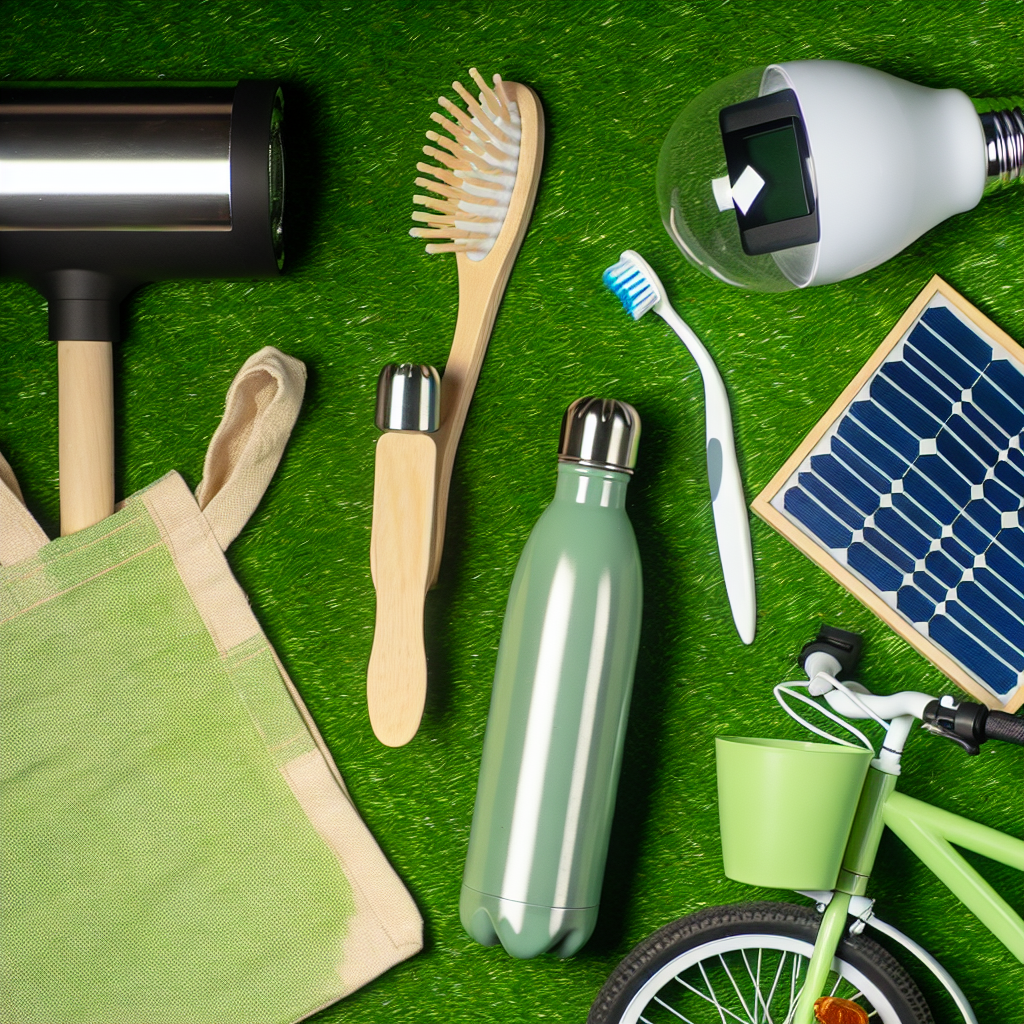
  • 5 Simple Swaps for a Greener Home that Save You Money

    5 Simple Swaps for a Greener Home that Save You Money

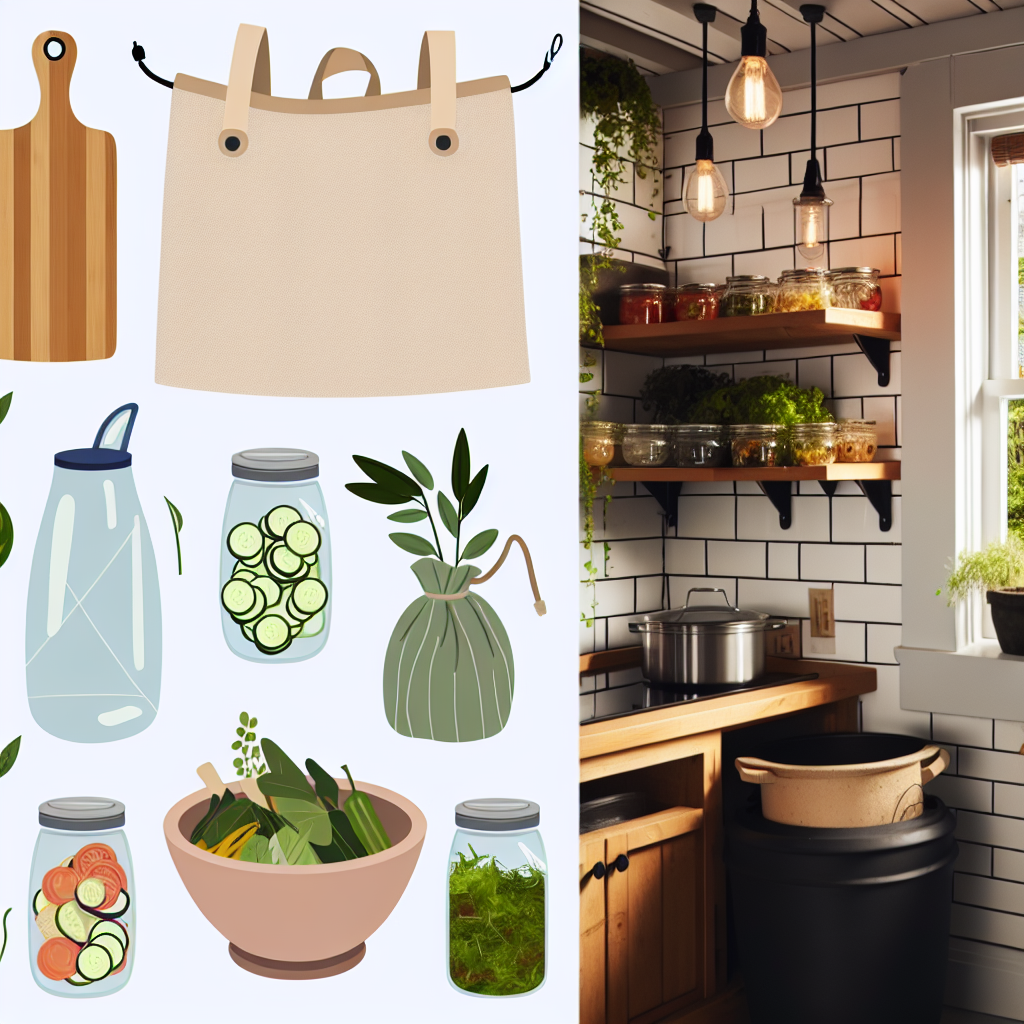
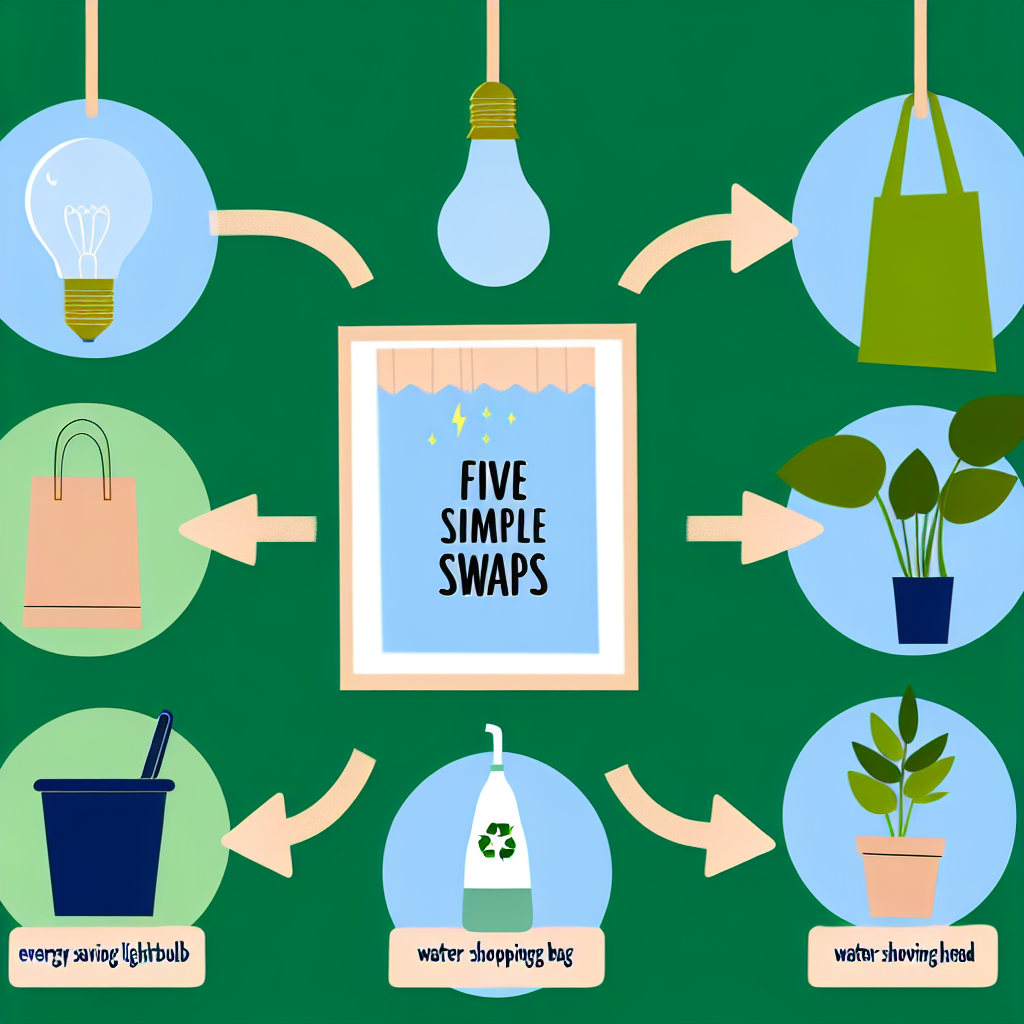
    5 Easy Ways to Make Your Home Green and Save Money

    Introduction

    Welcome to Frugal Zeitgeist, where we mix saving money with saving the planet. You might think that saving the world is a big, expensive job. But what if I told you that being a hero for our planet could also help your wallet? Everyone loves a win-win situation! By making a few small changes at home, you can save money and help the environment at the same time. That’s a good way to spend a day!

    Here’s a list of five easy changes to create a greener home, save money, and maybe even brag about your eco-smart choices at your next party. Let’s jump in and find out how being eco-friendly can help us all!

    Change #1: Energy-Efficient Lights

    Have you ever looked at your electricity bill and thought you were paying for a theme park’s lights? Regular incandescent and halogen bulbs can use a lot of energy, like they’re at a buffet.

    Green Change:

    • Use LED or CFL bulbs. They use less energy and last up to 25 times longer than regular bulbs.
    • Put in dimmer switches and motion sensors so lights only turn on when they’re needed. No more turning the bathroom into a bright stage at 3 AM!

    Benefits:

    • You’ll see lower energy bills each month.
    • Longer-lasting bulbs mean fewer trips to the store and less time on a ladder.
    • You’ll feel great knowing you’re helping the environment.

    Change #2: Reusable and Earth-Friendly Cleaning Products

    Single-use cleaning products are like waste champions. All those paper towels and wipes make a lot of waste and cost a lot of money.

    Green Change:

    • Stop using throw-away products and try reusable microfiber cloths and mops. They’re washable, last a long time, and clean up spills well.
    • Make your own cleaning solutions or choose brands that are gentle on the earth.

    Benefits:

    • You’ll spend less money on things you use up quickly, and your trash cans won’t overflow.
    • You’ll avoid harsh chemicals and help reduce waste.
    • Feel like a cleaning superstar with your eco-friendly, budget-friendly choices.

    Change #3: Smart Home Tech

    If trying to save energy feels impossible, it’s time for a change. Regular appliances can waste energy.

    Green Change:

    • Smart thermostats can help manage your heating and cooling efficiently, saving energy and money.
    • Use smart power strips to turn off devices that stay on standby.
    • Try smart water systems to control and save water use.

    Benefits:

    • You’ll see lower utility bills that won’t surprise you.
    • Your home will be easier to manage and more comfortable.
    • Guests will be impressed by your high-tech, eco-friendly home.

    Change #4: Save Water

    If your water bill feels like you’re paying for everyone’s showers, don’t worry—there are ways to cut it down.

    Green Change:

    • Use low-flow showerheads and faucet aerators to save lots of water without losing water pressure.
    • Use dual-flush toilets or upgrade current ones for more efficiency.
    • Collect rainwater to water your garden instead of letting it go to waste.

    Benefits:

    • Watch your water bills go down. Save money and feel good about it!
    • Be part of saving our planet’s precious water.
    • Your garden will look amazing, and neighbors will be impressed by your green skills.

    Change #5: Better Insulation and Weatherproofing

    If your home’s temperature feels like it’s changing with the seasons, it’s time to insulate better.

    Green Change:

    • Use eco-friendly insulation materials like cellulose or sheep’s wool.
    • Seal windows and doors with weatherstripping to keep the right temperature inside.
    • Use thermal curtains or window films to help keep your home cozy.

    Benefits:

    • Save on heating and cooling and ease your financial worries.
    • Consistent indoor temperatures mean more comfort without switching from sweaters to fans.
    • Your home’s air quality will improve, making it a cozy, snug place.

    Conclusion

    And there you have it! You’ve started a journey for a greener home, one easy change at a time. These changes help you save money while making your carbon footprint a little gentler on the earth.

    You don’t have to change everything all at once. Start with one swap, enjoy the savings, and let it motivate you to do more. We’re all in this together—it’s great to balance saving money and caring for our environment!

    Don’t keep your clever ideas a secret! Share your favorite eco changes in the comments, and let’s chat. Maybe we’ll inspire more people to join our Frugal Zeitgeist. Here’s to living smart, sustainably, and wonderfully!

  • Top 10 Eco-Friendly Alternatives to Household Products That Save You Money

    Top 10 Eco-Friendly Alternatives to Household Products That Save You Money

    Top 10 Eco-Friendly Alternatives to Household Products That Save You Money

    Introduction

    Living in a way that’s good for the planet isn’t just a craze anymore; it’s important. With all the tough stuff happening to our planet, like climate change, we really need to start making choices that don’t harm the earth. And guess what? It can actually save us money! Here at Frugal Zeitgeist, we love helping you save your cash while also caring for the environment. So, grab your reusable cup of coffee, and let’s look at ten awesome eco-friendly household items that are great for both your wallet and our world.

    Why Choose Eco-Friendly Alternatives?

    Environmental Benefits

    When you pick eco-friendly products, it’s like giving the earth a big hug. By reducing waste, we keep those awful landfills from growing bigger. Plus, eco-friendly stuff helps make the air and water cleaner. Who doesn’t want a world where dolphins are happy and forests are green?

    Health Benefits

    Using natural cleaners instead of ones with lots of chemicals is good for our planet and your health too! It’s like turning your house into a safe space without any yucky chemicals that could harm you, your family, or Mr. Whiskers, the cat.

    Economic Advantages

    Here’s the cool part – being kind to the planet can also mean saving money! Eco-friendly products usually last longer and, even if they cost more at first, you save money later. Plus, you can tell your friends you use a super cool reusable razor that saves lots of money each year!

    Top 10 Eco-Friendly Household Alternatives

    1. Cleaning Supplies

    • Vinegar and Baking Soda: This is the ultimate cleaning team! They can scrub away messes, remove tough stains, and even unclog drains.
    • Castile Soap: This amazing soap can clean your floors, dishes, and even your pets (except maybe your goldfish).
    • Reusable Cleaning Cloths: Forget paper towels; save the trees! These cloths are great for cleaning and can be used again and again.

    2. Personal Care Products

    • Shampoo Bars and Solid Conditioners: Bye-bye to big plastic bottles; these bars last longer and smell amazing.
    • Homemade Natural Deodorants: Stay fresh with DIY deodorants made from coconut oil, baking soda, and essential oils. Your armpits will love it!
    • Reusable Razors with Replaceable Blades: No more disposable razors! Hello to a razor that could last forever!

    3. Kitchenware

    • Beeswax Wraps: Say goodbye to plastic wraps and try this reusable way to keep food fresh.
    • Stainless Steel or Glass Containers: These are a safe alternative to plastic and look super cool.
    • Cloth Produce Bags: No more plastic bags, please. Use cloth bags for your fruits and veggies at the farmers’ market.

    4. Laundry Solutions

    • Soap Nuts or Eco-Friendly Laundry Strips: These get your clothes clean without harsh chemicals.
    • Dryer Balls: These replace fabric softeners and help clothes dry faster, saving energy.
    • Line Drying: It saves energy and makes your clothes smell fresh!

    5. Home Fragrance

    • Essential Oil Diffusers: Make your home smell like a lavender field or citrus grove naturally.
    • Soy or Beeswax Candles: These are a better choice and make less soot than regular candles.
    • DIY Potpourri: Boil some cinnamon sticks, cloves, and orange peels for a holiday smell all year!

    6. Baby and Child Products

    • Reusable Cloth Diapers: They reduce waste a lot and have cute patterns.
    • Glass Baby Bottles: Safe, durable, and easy to clean.
    • Bamboo or Organic Cotton Clothing: They are gentle on the baby’s skin and grown without harmful stuff.

    7. Gardening Tools

    • Composting: Turn scraps into soil for your plants; it’s great for your garden.
    • Recycled Materials for Pots: Use tin cans or old teapots as plant holders.
    • Natural Pest Control: Use companion planting or homemade sprays to keep bugs away.

    8. Water Filtration

    • Faucet or Pitcher-Based Filters: Save money by not buying bottled water and take care of the earth.
    • Rain Barrels: Collect free water for your garden and cut down your water bill.
    • Low-Flow Fixtures: Use less water and save money on your water bill.

    9. Energy Consumption

    • LED Bulbs: They use less energy and last a lot longer.
    • Solar-Powered Chargers and Lights: Great for adventures or saving electricity at home.
    • Programmable Thermostats: Use heat and air smartly to save money.

    10. Personal Electronics

    • Rechargeable Batteries: Say no to single-use batteries; they’re bad for the planet.
    • Energy-Efficient Appliances: They’re more costly at first, but they save a lot on bills.
    • E-waste Recycling Programs: Recycle old electronics to keep harmful stuff out of dumps.

    Tips for Transitioning to Eco-Friendly Products

    • Start Small: Just change one thing at a time to make it easy.
    • Research and Reviews: Make sure the product is good by checking reviews.
    • Embrace DIY: You can make lots of eco-friendly things at home to save money.

    Conclusion

    Choosing eco-friendly products helps the planet and brings benefits like better health and saving money. At Frugal Zeitgeist, we urge you to start being greener today. Share your favorite eco-friendly products with us in the comments, and let’s inspire each other to make better choices. It’s not just about saving money or helping the environment; it’s about building a future where both can grow together happily. Let’s make the world better, one eco-friendly swap at a time!

  • 10 Simple Swaps to Cut Your Household Budget and Reduce Waste

    10 Simple Swaps to Cut Your Household Budget and Reduce Waste

    10 Easy Changes to Cut Your Household Budget and Reduce Waste

    Introduction

    Today, it’s super important to save money at home and create less waste. Doing these things helps both your wallet and the environment. It’s like giving a high-five to both your savings and the Earth! At Frugal Zeitgeist, we want to give you fun and exciting ways to live sustainably without breaking the bank. In this post, we’ll explore some easy changes you can make to save money and reduce waste at the same time. Let’s get started!

    1. Switch Disposable Items for Reusable Ones

    Disposable items are the villains of both our planet and budget. Using them a lot can cost you more money and make more trash. By using reusable items, you’ll save money and help the Earth!

    Examples of Reusable Swaps:

    1. Say goodbye to paper napkins and use cloth napkins. They’re classy and make every meal feel special.
    2. Use reusable shopping bags instead of plastic bags. They look cooler, are stronger, and save you from the embarrassing oops when a bag breaks.
    3. Trade plastic bottles for cool stainless steel or glass water bottles. They’ll keep you hydrated in style.
    4. Use sturdy, reusable food containers instead of plastic wrap. Your fridge will look tidy and organized!

    2. Use Energy-Efficient Products

    Your energy bills can often surprise you. But using energy-efficient products can mean more money in your pocket. Plus, it helps lower your carbon footprint, which is awesome.

    Energy-Efficient Ideas:

    1. Replace old bulbs with LED bulbs. They use less energy and give off more natural-looking light.
    2. Smart power strips help reduce energy that’s wasted when devices are plugged in but not used.
    3. Swap old appliances for energy-efficient ones. They might cost more first, but they’ll save money over time.

    3. Make Your Own Cleaning Solutions

    Store cleaners can be expensive and full of hard-to-say chemicals. But you can make strong cleaners at home, and it’s better for the environment because there’s less packaging waste.

    DIY Cleaning Ideas:

    1. Vinegar and baking soda are great at cleaning all sorts of messes.
    2. Mix vinegar and water for a good glass cleaner.
    3. Use lemon and salt to polish metals and clean surfaces. Plus, it smells great!

    4. Cut Down on Food Waste

    Wasting less food is good for your wallet and the planet. Planning and storing food well are the best ways to keep your kitchen efficient.

    Food Waste Tips:

    1. Plan meals carefully so you don’t buy too much.
    2. Store food properly to keep it fresh longer.
    3. Start composting food scraps to help your garden.

    5. Use Alternative Cleaning Cloths

    Paper towels seem innocent but are sneaky at wasting your money.

    Paper Towel Replacements:

    1. Use microfiber cloths for spills and dusting.
    2. Make rags from old t-shirts for cleaning.
    3. Bamboo towels are reusable and soak up spills well.

    6. Use Public or Active Transportation

    Public or active transportation not only saves you money but also reduces pollution. It’s a win all around!

    Transportation Ideas:

    1. Use buses or trains to save money on gas.
    2. Walk or bike for nearby trips. It helps you stay fit!
    3. Carpool with friends to save money and have fun rides.

    7. Try Second-Hand Shopping

    Second-hand shopping is great for unique finds at less cost. Plus, it supports sustainability!

    Second-Hand Shopping Tips:

    1. Check out thrift stores for clothes and stuff. You might find something amazing!
    2. Look online for used furniture and electronics.
    3. Join swap meets for a friendly way to shop.

    8. Go Digital Over Physical

    Going digital saves space and money while being eco-friendly.

    Digital Swaps:

    1. Read e-books instead of paper books.
    2. Subscribe to streaming services for music and movies.
    3. Choose digital bills to cut down on paper use.

    Conclusion

    Making easy changes like these can help you save money and live more sustainably. Even small changes can make you a hero for the environment. So let’s be smart, save money, and help the Earth, one swap at a time. Join us at Frugal Zeitgeist in living smarter and more sustainably!

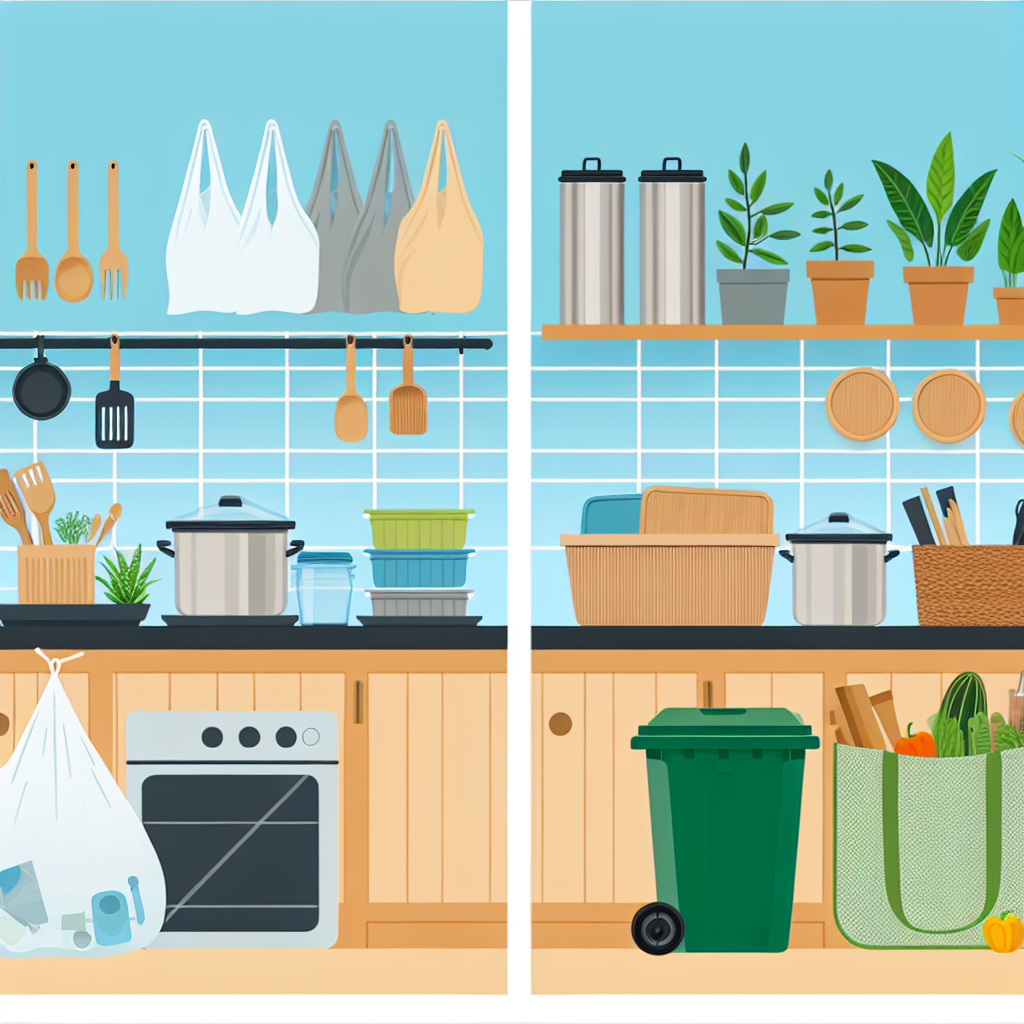
  • 10 Simple Swaps for an Eco-Friendly Kitchen that Save You Money

    10 Simple Swaps for an Eco-Friendly Kitchen that Save You Money

    10 Easy Changes for an Eco-Friendly Kitchen That Save You Money

    Introduction

    Welcome to Frugal Zeitgeist, where being good to the Earth doesn’t mean spending a lot of money. Have you ever thought about how your kitchen affects the environment? It might be full of yummy treats, but traditional kitchens use a lot of energy and create a lot of waste. But don’t worry! We have 10 super simple changes that will make your kitchen kind to the planet and save you money. Get ready for a thumbs-up from your wallet and a high-five from Mother Earth!

    1. Reusable Kitchen Towels Instead of Paper Towels

    We’ve all wasted paper towels, right? Switching to cloth towels saves trees and money. Imagine if you spend $15-$20 on paper towels every month. A set of reusable towels, costing about $15, could last for years if you take care of them. You can find them at Walmart or online at places like Amazon.

    2. Glass or Stainless Steel Containers Instead of Plastic

    Plastic was cool last decade! Switch to glass or stainless steel containers. They don’t absorb food odors or chemicals. It might cost $30 for a basic set, but they last a lot longer than plastic ones. Look for brands like Pyrex and Anchor Hocking at stores like Target or online.

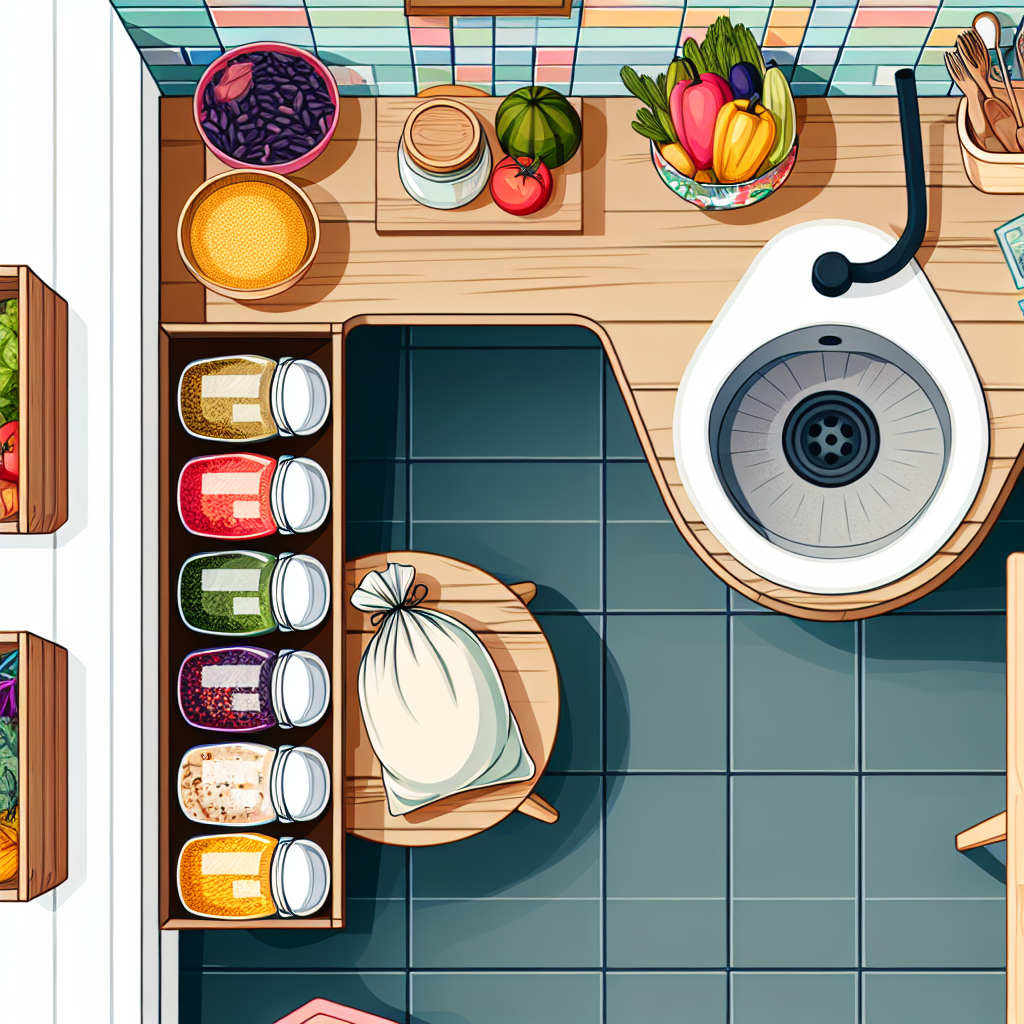
    3. Buying in Bulk to Reduce Packaging Waste

    Buying in bulk is great because it cuts down on packaging and usually costs less per item. You can buy things like grains, nuts, and spices in large amounts. Store them in glass jars or big airtight containers. Shop at Costco, Sam’s Club, or local bulk food stores.

    4. DIY Cleaning Products

    Why spend extra on cleaning products? Make your own! They’re free of harsh chemicals and save money. Here are three easy recipes:

    1. All-Purpose Cleaner: Mix equal parts white vinegar and water. Add essential oils for smell if you want.
    2. Window Cleaner: Combine 2 cups of water, 1/4 cup white vinegar, and 1/2 teaspoon dish soap.
    3. Antibacterial Cleaner: Mix one part rubbing alcohol with one part water and a few drops of tea tree oil.

    This way, you save money and keep your home healthy.

    5. Energy-Efficient Appliances

    Shopping for appliances might seem boring, but it’s like a treasure hunt! Appliances with the Energy Star logo use less power, which means lower energy bills. Next time you need a fridge or dishwasher, spend a bit more upfront to save a lot later. Find these at places like Best Buy or Home Depot.

    6. Composting Kitchen Waste

    Composting doesn’t have to be a big science project. It reduces landfill waste and turns scraps into garden gold. Start a small compost bin in your backyard. Your garden will love it, and you’ll save on fertilizers.

    7. Reusable Produce Bags

    Plastic produce bags are bad for the planet. Use cotton or mesh reusable bags instead. They look nice at the farmer’s market too. Spend $10-$20 on some reusable bags and keep hundreds of plastic ones out of oceans. This helps sea turtles and your wallet!

    8. Curtains/Window Treatments for Temperature Control

    Does your kitchen feel freezing in winter and boiling in summer? Curtains can help stabilize the temperature and reduce the need for heating or cooling. Choose sustainable materials like bamboo or hemp. Check out stores like Ikea or Bed Bath & Beyond.

    9. Induction Cooktops

    Induction cooktops are fast and energy-efficient. They heat pans directly using magnets. They might cost more at first, but the electricity savings are worth it. Look for them at Lowe’s, Home Depot, or appliance websites.

    10. Upcycled or Second-Hand Kitchen Items

    Why buy new when second-hand items can be awesome and Earth-friendly? Look for upcycled or second-hand kitchen items at thrift stores, garage sales, or online markets like Craigslist. Things like cast iron skillets add character to your kitchen.

    Conclusion

    And there you have it—10 simple swaps with a big impact! You don’t have to change everything overnight. Start with one swap at a time and watch your kitchen become a green dream. Add your personal touch and make your kitchen reflect your unique style!

    Call to Action

    Feeling inspired? Share your eco-friendly kitchen ideas with us on social media using #FrugalKitchenMakeover. Share this post with friends who want a planet-friendly home. For more tips on frugal and eco-conscious living, check out our other posts. Let’s keep being green and thrifty together! 🌿

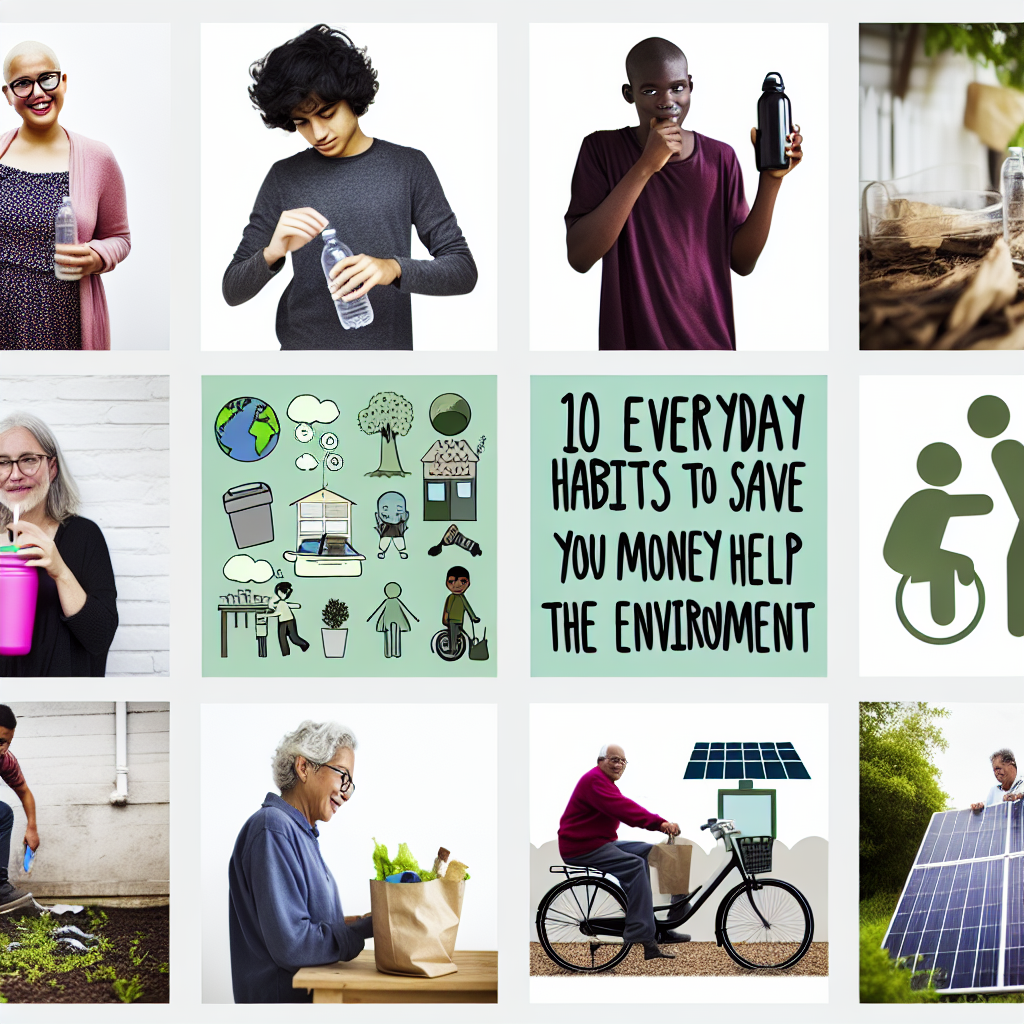
  • 10 Everyday Habits That Can Save You Money and Help the Environment

    10 Everyday Habits That Can Save You Money and Help the Environment

    10 Everyday Habits That Can Save You Money and Help the Earth

    Introduction

    Welcome to Frugal Zeitgeist, your place for living cheaply and finding hacks that keep our earth happy. Today, it’s super important to do things that are good for both your wallet and the planet. We’re talking about easy habits you can start doing every day that make a difference without making your life harder. Ready to save money while helping the earth? Let’s check out 10 daily habits that can save you money and help the environment!

    1. Reduce, Reuse, Recycle

    You might’ve heard this a bunch of times, but it’s really important! The 3Rs are like a favorite song that never gets old, and they can save you money. By reducing what you buy, reusing things in fun ways, and recycling, you can make less trash and save important resources.

    How to Get Started:

    • Reduce: Buy only what you need.
    • Reuse: Before you throw out old jars or boxes, think of ways to use them again.
    • Recycle: Collect paper and cans with your family and take them to a recycling place. These small steps make a big difference!

    2. Conserve Energy

    Want to save money easily? Just flip a switch—or better yet, unplug things. Using less energy means lower bills and fewer fossil fuels being used, just like finding a clover in a field of grass.

    Energy-Saving Tips:

    • Unplug devices: Electronics use power even when they’re off. Unplugging them saves money and reduces your carbon footprint.
    • Efficient appliances: Buy energy-saving appliances. Spending a little now saves money later and helps the planet.
    • Let the sun in: Use free natural light instead of lights inside whenever you can!

    3. Be Water Wise

    Water is super important—but don’t waste it like snacks at a movie. Being careful with water helps save it and keeps your water bill from getting too big.

    Water-Saving Hacks:

    • Take shorter showers: Try a five-minute shower—it’s like a quick fun game!
    • Fix leaks: A dripping tap can waste money. Fix leaks quickly.
    • Install saving gadgets: Use tools like aerators to use less water without even noticing it.

    4. Shop Smart and Sustainably

    Be careful when shopping. Buying smart means spending less and hurting the environment less, leaving more money in your pocket for fun things.

    Smart Shopping Practices:

    • Minimal packaging: Choose products with less wrapping to create less waste.
    • Local love: Buy from local stores or brands that care about the earth.
    • Mindful choices: Before buying, ask, “Do I really need this?” Your wallet will thank you!

    5. Embrace a Plant-Based Diet

    We like bacon too, but it needs lots of resources. Eating less meat, even for one day a week, saves money and has a big positive effect on the earth.

    Plant-Based Primer:

    • Start small: Try a Meatless Monday.
    • Explore recipes: Try cooking plant-based meals. Discover how great tofu can be!
    • Save money: Plants cost less than meat, which helps your bank account.

    6. Use Public Transportation or Carpool

    A car may seem easy until you think about gas, insurance, and parking. Sharing rides saves money and helps reduce carbon emissions.

    Car-Free Commute:

    • Public transport perks: Buses and trains are cheaper and can be fun with the right podcast.
    • Carpool cool: Share rides with coworkers or neighbors.
    • Combine errands: Plan your trips to do more things in fewer journeys.

    7. Grow Your Own Food

    Gardening isn’t just for grandparents. Whether you have a small balcony or a big yard, planting your own food saves money and reduces emissions faster than you can say “carrot.”

    Green Thumb Guide:

    • Start simple: Try growing easy herbs like basil or mint.
    • Upcycle containers: Reuse old containers for planting.
    • Reap rewards: Eating home-grown food feels as great as finding a hidden $5!

    8. DIY Cleaning Products

    Store cleaners can cost a lot and have scary chemicals. Make your own earth-friendly versions to save money and keep your home safe and clean.

    Easy DIY Cleaners:

    • Vinegar and baking soda: These common items can clean almost anything.
    • Lemon power: Use it to clean and make surfaces shine.
    • Cost-effective: Homemade cleaners save money and allow you to use safe materials.

    9. Adopt Minimalism

    Do you really need more stuff? Probably not. Minimalist living is about keeping just the things you really need, which saves money and helps the planet.

    Minimizing Modern Life:

    • Declutter: Go through your things and donate or sell what you don’t use.
    • Buy less, enjoy more: Spend money on experiences rather than buying more things.
    • Eco-friendly footprint: Fewer items mean less waste and help the planet.

    10. Educate and Involve Your Community

    You don’t have to try being eco-friendly alone! Tell your family and friends about your new habits, and maybe they can help the earth, too.

    Community Connections:

    • Spread the word: Host a night to talk about being more eco-friendly.
    • Community projects: Help organize clean-ups or recycling events.
    • Inspire change: Show others how eco-friendly changes can start small but grow big.

    Conclusion

    There you go—10 easy habits to save money and live sustainably. A lot of small actions can make a huge difference. Start with one tip, and you’ll soon see how you’re saving money and helping our world.

    Call to Action

    We challenge you to try at least one habit from this list. Tell us how it’s going in the comments or on social media with #FrugalZeitgeist. Make sure to subscribe to our blog for more ways to save money while caring for the planet. Let’s do both, because why not?

  • 10 Simple Swaps for a Zero-Waste Kitchen That Save You Money

    10 Simple Swaps for a Zero-Waste Kitchen That Save You Money

    10 Easy Changes for a Zero-Waste Kitchen That Save You Money

    Introduction

    Welcome to the world of a zero-waste kitchen! It’s a place where saving money meets helping the planet, and both your wallet and the Earth thank you. At Frugal Zeitgeist, we think making small changes can have a big effect. By swapping a few everyday items in your kitchen, you can reduce waste, save money, and become a hero for nature. In this article, you’ll learn about swaps that are good for both the environment and your bank account. Let’s get started!

    Why a Zero-Waste Kitchen is Important

    First, let’s see why a zero-waste kitchen is like hugging a tree while also cheering for your savings account.

    Environmental Benefits

    • Less Plastic Waste: Every year, about 8 million tons of plastic end up in our oceans. By using fewer single-use plastics, you help make the planet cleaner.
    • Lower Carbon Footprint: Reusing and reducing waste means fewer new products are needed, which lowers your carbon emissions.

    Economic Benefits

    • Saving Money on Basics: Imagine a kitchen where you don’t need to buy plastic wrap, paper towels, or disposable filters. Doesn’t that sound great?
    • Bulk Buying: Buying items in bulk can save money over time, leaving extra cash for fun things—like a pet cactus with a funny name.

    Health Benefits

    • Fewer Chemicals: Switching to homemade, non-toxic cleaning products makes your home healthier and fresher.
    • Better Choices: Choosing organic, local foods means fewer pesticides and hormones in your meals.

    Swap 1: Use Reusable Shopping Bags

    Say goodbye to those flimsy plastic bags!

    • Problems with Plastic Bags: They end up all over, harm nature, and take hundreds of years to break down.
    • Better Options: Reusable bags made from cotton or recycled materials are stronger, hold more, and look cooler.
    • Keeping Them Handy: Store them in your car, hang them by the door, or even leave yourself fun reminders so you don’t forget them.

    Swap 2: Use Reusable Produce Bags

    Those little plastic bags for fruits and veggies create sneaky waste.

    • The Plastic Issue: After carrying your apples home, these plastic bags are pretty useless.
    • Breathable Options: Cloth and mesh bags are great for all your fruits and veggies.
    • Selecting the Best: Pick bags made from organic cotton or recycled materials for extra eco-points.

    Swap 3: Beeswax Wraps Instead of Plastic Wrap

    It’s time to part ways with plastic wrap.

    • The Beeswax Wrap Trick: Made of cotton coated with beeswax, they’re reusable and great for wrapping food.
    • How They Work: Your hands’ warmth helps shape the wraps around food or containers, creating a nice seal.
    • Pros and Cons: While they cost more at first, beeswax wraps last up to a year, so it’s a win for sustainability.

    Swap 4: Glass Jars and Containers

    Glass jars can be more than just for pickles!

    • Why Glass is Great: They don’t have harmful chemicals, they’re dishwasher safe, and they look nice on shelves.
    • Multiple Uses: Use them for storage, as cups, or get creative!
    • Cost-Saving Tips: Look for cool jars at thrift stores or reuse old ones.

    Swap 5: Buy in Bulk

    Buying in bulk isn’t just for people preparing for the end of the world.

    • Less Waste: Less packaging means less trash, making you an eco-friendly shopper.
    • Keeping It Fresh: Use airtight containers to keep food fresh.
    • What to Buy: Bulk buy grains, nuts, seeds, and spices. Too bad love isn’t sold this way!

    Swap 6: Compost Food Scraps

    Turn food scraps into magic soil!

    • How Composting Helps: Composting at home reduces waste and creates rich soil.
    • Reducing Landfill Impact: It keeps scraps out of landfills, cutting down on methane emissions.
    • Composting for Every Home: Whether you have a backyard or live in an apartment, there are composting options for everyone.

    Swap 7: Use Cloth Napkins and Towels

    Whether it’s for a fancy dinner or for your eco-friendly lifestyle, cloth napkins are perfect.

    • Paper Waste Problems: Americans use a lot of paper napkins and towels every year.
    • Saving Over Time: Though they cost more at first, cloth saves money in the long run.
    • Easy Clean-Up: Just wash them with your laundry, and they’re ready to use again.

    Swap 8: Make Your Own Cleaning Products

    Vinegar and baking soda are an awesome cleaning team!

    • Avoiding Chemicals: Many store cleaners have harsh chemicals that are hard to say.
    • Easy Recipes: Mix vinegar, water, and lemon oil for a fresh cleaner, or use baking soda with essential oils for tough grime.
    • Lots of Benefits: These cleaners are better for your skin, home, and the planet. Plus, they’ll save you money.

    Swap 9: Reusable Coffee Filters and Tea Bags

    Paper filters, your time is up.

    • Environmental Impact: Lots of these filters end up in the trash each year. Reusable ones help reduce waste.
    • Eco-Friendly Choices: Use metal or cloth filters for coffee and cloth tea bags for tea.
    • Long-Term Savings: These options last years, saving both money and the environment.

    Swap 10: Skip Bottled Water

    Let’s get rid of single-use bottled water.

    • Problems with Plastic Bottles: They add to plastic pollution and often aren’t recycled.
    • Better Hydration: Get a good stainless steel or glass bottle for your drinking needs.
    • Filtering Water: Consider a filter to make tap water taste better, so you won’t need bottled water.

    Conclusion

    Well done! You’re now ready with ten easy swaps to make your kitchen zero-waste. These small changes really help the planet, your wallet, and even your peace of mind—along with your cactus friend who might give side-eye to wasteful habits.

    Pat yourself on the back, head to the kitchen, and start making these changes today. Remember, every small action helps, and together we can make our world—and kitchens—more sustainable and cost-friendly.

    Additional Resources

    Want to learn more about living zero-waste? Check out these books and blogs for more tips and ideas:

    1. “Zero Waste Home” by Bea Johnson
    2. “The Zero-Waste Chef” by Anne-Marie Bonneau
    3. Blogs about sustainable living—like Frugal Zeitgeist!

    Let’s aim for a future with little waste, lots of savings, and a healthier Earth for the next generations. Cheers to cleaner kitchens and fuller wallets!

  • 10 Simple Swaps for Eco-Friendly Living That Save You Money

    10 Simple Swaps for Eco-Friendly Living That Save You Money

    10 Easy Swaps for Eco-Friendly Living That Save You Money

    Introduction

    Hello, eco-warriors and penny pinchers! At Frugal Zeitgeist, we’re all about finding ways to live happily on this planet without making our wallets cry. Many people think living sustainably is expensive, but guess what? That’s a myth! We’re here to show you that being kind to the environment can actually save you money.

    Get ready for ten easy, budget-friendly swaps that will make both Mother Nature and your budget super happy.

    The Benefits of Eco-Friendly Swaps

    Why make eco-friendly swaps, you ask? Let me tell you why!

    1. Helping the Environment: Simple changes in your daily routine can help reduce pollution and waste. By choosing sustainable options, we help the planet and make it healthier for future generations.

    2. Saving Money: Even though eco-friendly options may cost a bit more at first, they often save you money over time. Who knew saving the planet could also mean saving your wallet?

    3. Staying Healthy: Reducing exposure to harsh chemicals means you avoid toxins that could harm your health. It’s great for you and the Earth!

    Swap #1: Reusable Shopping Bags

    Let’s start with something super easy—reusable shopping bags.

    • Helping the Environment: Plastic bags can take hundreds of years to decompose, often ending up in oceans and places where animals live. Reusable bags help cut down this plastic waste.

    • Saving Money: While a strong tote might cost a few bucks at first, it saves you from buying supermarket plastic bags every time you shop.

    • Tips for Remembering: Keep some bags in your car, by the front door, or with your shopping list. If your groceries end up in the trunk, let the bags live there too!

    Swap #2: LED Light Bulbs

    Here’s a bright idea—LED bulbs!

    • Energy Saving: LED bulbs are about 75% more efficient than regular light bulbs and last 25 times longer. That’s a lot of light for less money.

    • Saving Money: Although LEDs might cost a bit more upfront, they save you a lot on your electricity bill. Think of it as investing in your light and energy bills.

    • Other Benefits: LED bulbs give off less heat, which is great for hot summers. So, they save you money and help you stay cool!

    Swap #3: Refillable Water Bottles

    Say goodbye to plastic bottles and stay hydrated the eco-friendly way with refillable bottles!

    • Helping the Environment: Making and throwing away plastic bottles creates a lot of pollution.

    • Saving Money: Get a durable water bottle and skip buying expensive bottled water. Enjoy the freedom of saving money!

    • Staying Healthy: Fill it with filtered tap water to avoid chemicals found in disposable bottles. Plus, having your own bottle helps you drink more water.

    Swap #4: Cloth Napkins Instead of Paper

    Cut down on paper waste by using cloth napkins.

    • Helping the Environment: Making paper napkins uses chemicals and energy, and they’re single-use, which adds to landfill waste.

    • Saving Money: Buy them once and use them again and again.

    • Easy Tips: Toss them in with your regular laundry, and they’ll be ready to use again. Cloth napkins can add some color to your table, too!

    Swap #5: DIY Cleaning Products

    Make your home clean with DIY cleaning solutions!

    • Benefits: Store-bought cleaners often contain harsh chemicals. DIY solutions are natural and gentle on you and the environment.

    • Saving Money: Ingredients like vinegar, baking soda, and lemon juice are all you need, and they’re easy on your wallet too.

    • Simple Recipes: Mix equal parts of vinegar and water for a glass cleaner or baking soda with a little dish soap for scrubbing. All set!

    Swap #6: Composting Kitchen Scraps

    Turn your waste into gold by composting!

    • Benefits: Reduce waste going to landfills and create nutrient-rich compost for your garden.

    • Saving on Fertilizers: No need to buy commercial fertilizers when you can use your kitchen scraps and coffee grounds for free.

    • Getting Started: Whether indoors with a small bin or outdoors, there’s a composting way to suit your home.

    Swap #7: Second-Hand Shopping

    Why buy new when second-hand treasures are waiting?

    • Environmental Benefits: Reduce the demand for fast fashion and wear second-hand clothes with pride! It’s eco-fashion at its best.

    • Saving Money: Thrift stores are full of great deals. Enjoy the hunt and dress stylishly while saving.

    • Thrifting Tips: Check out local thrift shops, online sites, or host a swap party with friends. Remember, second-hand is awesome!

    Swap #8: Programmable Thermostats

    Save energy and money with a programmable thermostat.

    • Energy Use: Automatic heating and cooling adjustments lead to energy-efficient living without losing comfort.

    • Saving Money: Consistent temperatures mean lower utility bills in the long run.

    • Installing: Many homes have them already, but if not, hire a trusted technician. The comfy savings are worth it!

    Swap #9: Reusable Coffee Filters

    Enjoy sustainable sipping with reusable coffee filters!

    • Helping the Environment: Disposable filters create a lot of waste over time.

    • Saving Money: Buying a reusable filter once means your coffee habit doesn’t have to be expensive.

    • Better Tasting Coffee: Many people say it tastes better. Could coffee be any sweeter?

    Swap #10: Natural Personal Care Products

    Be kind to your skin and the planet with natural personal care products.

    • Benefits: Free from harsh ingredients, natural products are gentle and still effective.

    • Saving Money: Since they’re efficient, you need less to see results.

    • DIY Recipes: Websites have homemade recipes for toothpaste, deodorant, and even shampoo bars. It’s like a spa day every day at home!

    Conclusion

    See? That wasn’t hard! These swaps not only help the Earth but are also friendly to your pocket. Start small, choose a swap you like, and add more over time. Before long, you’ll be living your eco-friendly dream, saving pennies, and showing lots of love to the Earth.

    Let’s embrace sustainability like the frugal heroes we are. Here’s to a greener, healthier, and richer way of living!

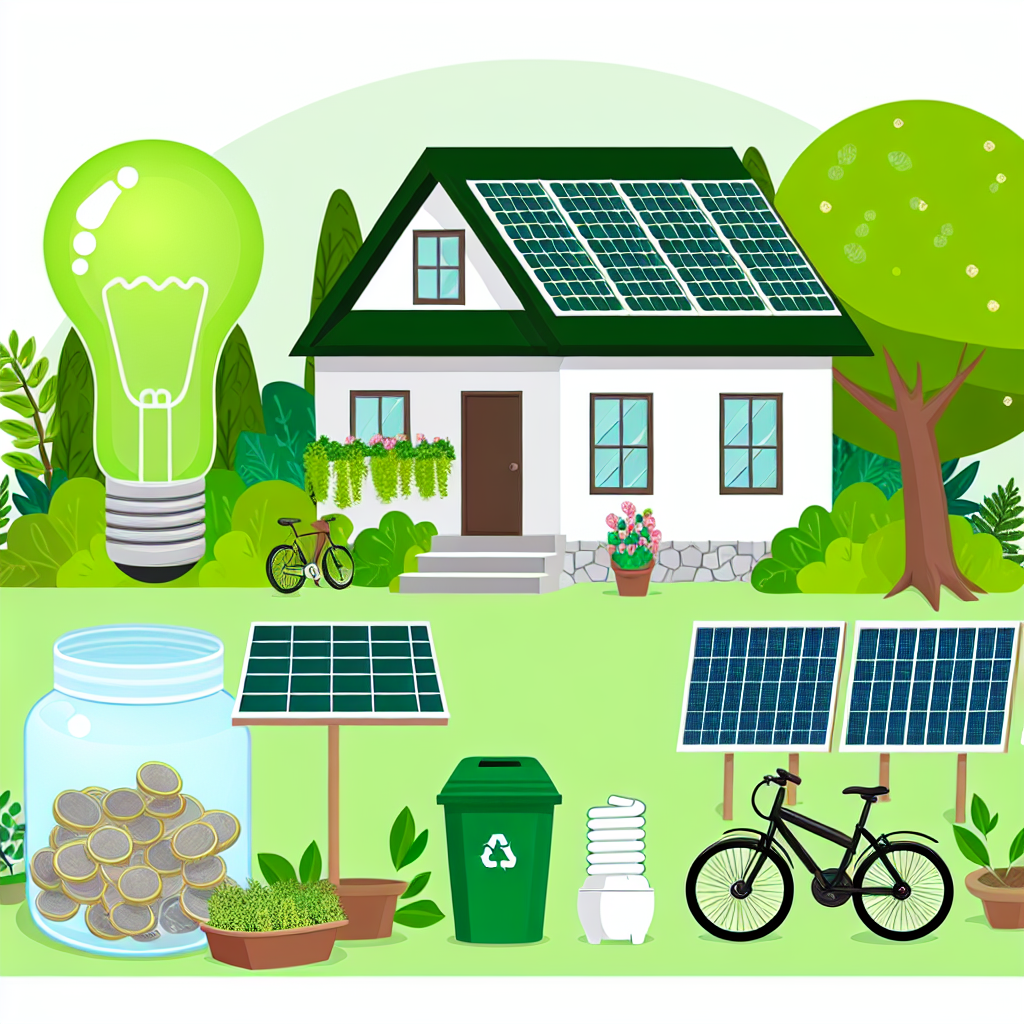
  • 10 Simple Swaps to Make Your Home More Eco-Friendly and Save Money

    10 Simple Swaps to Make Your Home More Eco-Friendly and Save Money

    10 Easy Changes to Make Your Home Eco-Friendly and Save Money

    Introduction

    Welcome to a world where living green and saving money go hand in hand! Everyone loves to save money while also saving the planet, right? Being eco-friendly isn’t just for people in the past who hugged trees; it’s something modern people care about too. What’s great is that going green can be as simple as changing a few things around the house. Not only will you be making Earth happy, but you’ll also be cutting down on your bills. Let’s explore easy changes you can make to turn your home into an eco-friendly place that’s also kind to your wallet.

    1. Energy-Efficient Lighting

    First, let’s talk about lighting. Instead of using old-fashioned bulbs, switch to LED lights. They save up to 75% more energy, just like a superstar cousin who’s good at everything. They last longer and work really well. During the day, keep your blinds open to let the sunshine in and use mirrors to bounce the light around. If you’re into gadgets, you can get smart bulbs that adjust when you want them to, even from your phone.

    2. Saving Water

    Water is something we can’t waste! You can save by putting in low-flow showerheads and faucets. They help you use just the right amount of water. Collect rainwater in barrels to give your plants a drink. And in the kitchen, wash veggies in a bowl instead of under running water. If you do use the tap, hum “Happy Birthday” to make sure you don’t take too long.

    3. Smart Heating and Cooling

    If your home is too hot or too cold, make it more comfy with eco-friendly options. A programmable thermostat changes the temperature while you sleep or when you’re not home. Weather stripping around windows and doors will keep your heating and cooling from escaping. And if your heater is old, think about getting an energy-efficient one.

    4. Green Cleaning Products

    Let’s make cleaning as green as a field full of clovers! You don’t need to buy chemical cleaners. Instead, use vinegar, baking soda, and a bit of essential oil. These work well to keep things clean. If you don’t like DIY, there are many eco-friendly brands that help you clean without guilt. Use reusable cloths instead of single-use wipes to cut waste.

    5. Reduce, Reuse, Recycle

    Think of these three R’s as a lifestyle, not just a phrase to remember. Set up a simple recycling system at home to make sorting easy. Compost kitchen scraps to boost your garden and reduce waste. Before throwing things away, see if you can donate or upcycle them. For example, old wine bottles can turn into cool vases or candle holders.

    6. Eco-Friendly Kitchen Habits

    The kitchen is where we create delicious meals but also where waste happens. Buy in bulk to cut down on packaging, but bring your own containers. Use cloth towels instead of paper ones and beeswax wraps instead of plastic. When you need new appliances, pick energy-efficient ones. They save money and work better for the planet.

    7. Greener Bathrooms

    Bathrooms might be small, but they can waste a lot. Choose eco-friendly products like bamboo toothbrushes. They make mornings feel like you’re giving Earth a hug. Use refillable soap dispensers to cut down on plastic use. Biodegradable cleaning products also help make sure your bathroom is clean without leaving plastic waste.

    8. Smart Shopping Choices

    Shopping smartly isn’t just about getting good deals; it’s about helping the planet too. Buy local and seasonal items to support farmers nearby and reduce travel miles. Look for brands with fair trade practices and eco-friendly packaging. Remember, buying quality items that last saves money and helps the planet.

    9. Indoor Plants for Fresh Air

    Fill your home with plants. They brighten your space and clean the air. Easy-to-care-for plants like spider plants and snake plants don’t need much attention. Besides their air-purifying magic, they also help you feel relaxed and happy.

    10. Green Outdoor Spaces

    Take the eco-friendliness outside! Plant native and drought-resistant plants. They need less water and help local wildlife. Set up a compost bin to recycle garden and kitchen waste. Use natural pest deterrents to keep insects out without chemicals. Your garden will be full of birds and good bugs.

    Conclusion

    There you have it—ten easy changes to make your home eco-friendly while saving money. Every change not only helps you but also benefits our planet. Start with one or two and watch your eco-friendly life grow.

    Call to Action

    Now that you’re on your way to a greener home, share what swaps work for you in the comments. Let’s keep talking and help each other go green. Join online groups to find new ideas and encouragement. Remember, every small step makes a big impact. Let’s all go green and make Earth a better place!

  • 10 Eco-Friendly Swaps to Slash Your Monthly Expenses and Save the Planet

    10 Eco-Friendly Swaps to Slash Your Monthly Expenses and Save the Planet

    10 Eco-Friendly Swaps to Save Money and Help the Planet

    Hey there, eco-friendly pals! Welcome to the 10-step guide you didn’t know you needed. This is all about helping save the planet while also saving money! At Frugal Zeitgeist, we love finding ways to take care of Mother Earth without spending all our cash. Some people think that going green costs more, but that’s not true! Today, we’re sharing some eco-friendly swaps that will help you save money and do good things for the Earth.

    1. Energy-Efficient Appliances

    Let’s say goodbye to those energy-hogging appliances and hello to awesome, money-saving ones called ENERGY STAR-rated appliances. They use less electricity, so your utility bills will get cheaper.

    • Start with important stuff like fridges and washing machines.
    • Light up your life with LED bulbs; they last longer, use less energy, and save you money.
    • Keep more money in your pocket with an electric bill that’s easier to handle.

    Energy-efficient appliances are like your own little money-saving helpers working hard just for you!

    2. Reusable Grocery Bags

    Plastic bags are like unwanted baggage – they’re not needed and stick around too long. Reusable grocery bags are the easy fix.

    • Use fabric or recycled plastic bags that you can use over and over.
    • Save money because many stores charge for those single-use bags.
    • Keep bags in your car, at work, or even get someone to remind you to take them.

    Plus, skipping plastic gives sea turtles a reason to smile!

    3. Digital or Second-Hand Books

    Good news, book lovers! Feeding your reading habit while saving trees is possible with digital or second-hand books.

    • E-books are perfect if you’ve run out of shelf space.
    • Check out thrift stores and websites like ThriftBooks or AbeBooks for cheap books.
    • Visit the library for an even cheaper option – free books!

    You can enjoy reading without feeling guilty. Even famous authors would approve!

    4. DIY Cleaning Products

    A clean home doesn’t have to hurt ocean friends or cost lots of money. DIY cleaning products are the way to go!

    • Mix up your own cleaners using vinegar, baking soda, and essential oils.
    • Make them your own with recipes from Pinterest.
    • Save the environment and money all at once.

    Create a clean house and have fun being your own mini scientist!

    5. Solar-Powered Gadgets

    Turn the sun into your money-saving buddy with solar-powered gadgets! With electricity prices going up, why not use the sun?

    • Use solar chargers for your phone and other devices.
    • Light up your yard with solar-powered lights and keep your home safe with solar security cameras.
    • Look for deals on getting solar panels for even bigger savings.

    You’ll feel awesome using the sun to save money!

    6. Water Conservation Tools

    Water is super important! Saving it helps the planet and your water bill, too.

    • Use low-flow showerheads and faucet aerators. Little changes make big differences.
    • Use a rain barrel to collect rainwater for your garden.
    • Fix those leaky taps; your wallet will be happy.

    Help the planet while saving water and money for the future.

    7. Thrift Shopping and Clothing Swaps

    Fast fashion looks cool, but the real gems are in thrift stores and clothing swaps. Plus, they’re better for your budget!

    • Find amazing deals in thrift stores. Vintage is very stylish!
    • Host or join clothing swaps; new-to-you clothes for free!
    • Check websites like Poshmark or Depop for pre-loved clothes.

    Find your style without spending too much money.

    8. Meatless Meals

    Here’s the thing about meat: eating more plants can be cheaper and better for the Earth.

    • Try having a Meatless Monday and find new recipes for Tofu Tuesday!
    • Veggies usually cost less and can make cooking fun and creative. Ever tried lentil loaf?
    • Feel good about saving money and taking care of the planet.

    Eat a bit more planet-friendly without losing any delicious tastes.

    9. Public Transportation and Biking

    Hop on your bike or use public transport to avoid traffic and save on gas.

    • Public transport, sharing car rides, and biking save money and help the Earth.
    • Skip the parking hassle and save money on gas.
    • Enjoy biking past traffic and high costs.

    Plan your routes and ride with the wind in your hair!

    10. Smart Thermostats

    Get high-tech with smart thermostats—they make it easy and cheap to control your home’s temperature.

    • Set the temps and enjoy a comfy home without touching the buttons all the time.
    • Use less energy and save money.
    • Check out brands like Nest or Ecobee for smart solutions.

    Keep your home comfy and save money for other fun things.

    Conclusion

    There you go, eco-heroes! Ten simple swaps that can save you money and earn a smile from Mother Earth. Every little action counts towards a better future. Try these changes and share them with friends or family.

    Additional Resources

    Keep up the good work with more tips on being eco-friendly and saving money:

    • Check out eco-friendly brands and products.
    • Join online groups like r/ZeroWaste or local eco-communities.
    • Read books like The Zero-Waste Home and The Good Life for more ideas.

    Go ahead, save money, help the planet, and remember—anyone can make a difference! If you want to wear a cape while doing it, that’s up to you!

  • 10 Easy Swaps for a Thriftier, Eco-Friendly Kitchen

    10 Easy Swaps for a Thriftier, Eco-Friendly Kitchen

    10 Easy Swaps for a Thriftier, Eco-Friendly Kitchen

    Introduction

    Hey there, all you amazing money-saving friends! At Frugal Zeitgeist, we’re all about living big while spending less and caring for our planet. By making some simple, eco-friendly changes in our daily routines, we can make a big difference for both our wallets and the Earth. The kitchen, the heart of our homes, is the perfect place to start. Today, I’m excited to share 10 easy swaps that will help you save money and make your kitchen more eco-friendly. Grab your apron, and let’s start swapping!

    Swap 1: Replace Single-Use Plastics with Reusable Alternatives

    Oh, single-use plastics—they sneak into our kitchens and cause trouble! They’re easy to use but bad for both the environment and our budget. But don’t worry, we can change this! Here’s how:

    1. Beeswax Wraps: Say goodbye to plastic wrap and try beeswax wraps! They’re reusable, flexible, and keep your food fresh without harming the planet.
    2. Silicone Bags: Meet the eco-friendly version of plastic bags—the silicone food storage bag. They’re washable, reusable, and great for snacks or leftovers.
    3. Glass Containers: Get rid of those flimsy plastic containers and use strong glass containers instead. They last longer, keep your food safe, and work in the microwave without the harmful chemicals.

    Swap 2: Use a Water Filter Instead of Bottled Water

    If bottled water had a theme song, it would be a sad tune about hurting the planet. It’s expensive and not always as pure as it claims to be. The answer? A water filter!

    • Cost-Effective: While bottled water empties your wallet, water filters give you clean water at a much lower cost.
    • Types of Filters: Choose from pitcher filters, faucet filters, or even under-the-sink systems.
    • Environmentally Friendly: Cut down on plastic waste and enjoy clean water in an eco-friendly way.

    Swap 3: Choose Reusable Cloths over Paper Towels

    Paper towels are just temporary superheroes for cleaning, but reusable cloths are here to stay. Make the switch and enjoy these perks:

    • Microfiber Magic: These cloths are super absorbent and ready to handle spills easily.
    • Cotton Cloth Comeback: Old shirts or kitchen towels can be great for cleaning.
    • Easy Care: Just toss them in the wash, and they’re ready for their next mission!

    Swap 4: Invest in Quality Cookware

    Step away from cheap pots and pans that don’t last long. Instead, buy quality cookware that lasts for a long time:

    • Durability: Good materials like cast iron or stainless steel can handle years of cooking adventures.
    • Versatility: A cast-iron skillet can move from stovetop to oven easily, perfect for busy cooks.
    • Savings: Few replacements mean less waste and more savings!

    Swap 5: Use Natural Cleaning Products

    Say goodbye to chemical-filled cleaners and make your own natural cleaning solutions:

    1. Vinegar & Baking Soda: This pair fights dirt without any hassle.
    2. Lemon Juice Magic: Cleans and shines with a fresh smell.
    3. Eco-Friendly Brands: Try products from companies that are kind to the Earth.

    Swap 6: Embrace Bulk Buying and Storage

    Buying in bulk is where saving money meets being eco-friendly!

    • Cost-Effective: Bulk buying reduces costs and keeps shopping receipts short.
    • Waste Reduction: Less packaging means less trash.
    • Storage Smart: Use airtight containers and labels to keep everything organized for easy meal preps.

    Swap 7: Compost Kitchen Scraps

    Good news for banana peels and coffee grounds—a compost bin can turn them into something useful!

    • Win for the Earth: Composting reduces trash and makes your garden soil rich.
    • Starting Simple: Turn kitchen scraps into compost quickly!
    • Space-Saving Solution: Put a compost bin on your counter for small spaces.

    Swap 8: Favor Locally-Sourced Foods

    Help your community and the planet by choosing local foods:

    • Lower Impact: Reduce pollution from trucks that travel long distances.
    • Support Local Farmers: Help out local farmers and their families.
    • Shop Smart: Visit farmers’ markets or join CSA programs for fresh, local food.

    Swap 9: Use Energy-Efficient Appliances

    Teamwork makes dreams come true, and energy-efficient appliances work for you and the Earth:

    • Eco-Saving: Use less energy and save money on utility bills.
    • Smart Features: Look for ENERGY STAR ratings and cool features.
    • Upgrade Ideas: Check out new microwave ovens, fridges, and dishwashers.

    Swap 10: Practice Meal Planning and Reduce Food Waste

    The secret to a well-organized kitchen? Meal planning that cuts both waste and hassle:

    • Leftovers Love: Turn yesterday’s dinner into something new today.
    • Plan Wisely: Make weekly meal plans and shopping lists to avoid wasting food.
    • Waste-Not, Want-Not: Freeze or share leftovers to stop them from being forgotten in your fridge.

    Conclusion

    Way to go, thrifty trailblazers! These 10 swaps lead to a more eco-friendly and money-saving kitchen. By trying them out, you become a master of living simply while caring for the Earth. Start with one swap, enjoy the change, and watch the magic happen. Share your own eco-friendly kitchen tips in the comments—we want to hear your stories!

    Additional Resources

    Stay inspired with these resources focused on saving money and being eco-friendly:

    Stay happy, keep saving, and take care of the planet (and your budget) with a smile! 🍃✨