Category: Uncategorized

  • 10 Simple Swaps for a Greener Home that Will Save You Money

    10 Simple Swaps for a Greener Home that Will Save You Money

    10 Easy Ways to Make Your Home Greener and Save Money

    Introduction

    Welcome to Frugal Zeitgeist, where we believe helping the planet shouldn’t leave you broke! Today, we’re going to show you how some simple, eco-friendly changes at home can make your piggy bank fat and happy, while giving Mother Earth a reason to smile. By adding green habits to your daily routine, you’ll help the planet and save money too. It’s a win-win! So grab your reusable coffee cup, get comfy, and let’s explore 10 easy ways to make your home greener and save money.

    Swap #1: Energy-Efficient Light Bulbs

    Remember when light bulbs didn’t last long at all? Now, with better technology, we can switch from those old incandescent bulbs to LEDs or CFLs and enjoy the benefits without changing bulbs so often.

    • Old Choice: Incandescent bulbs, which are like the Charlie Brown tree of lighting.
    • Better Choice: LED or CFL light bulbs.
    • Benefits:
      • Use 25-80% less energy.
      • Last up to 25 times longer than incandescent bulbs.
      • You could save about $75 a year by switching.

    Swap #2: Reusable Shopping Bags

    Plastic bags are out of style, and we can do better by carrying our groceries in cool, reusable bags.

    • Old Choice: Plastic grocery bags that barely make it to the car.
    • Better Choice: Cloth or recycled-material tote bags.
    • Benefits:
      • Reduce waste in landfills.
      • One bag can replace hundreds of plastic ones, proving that teamwork makes the dream work.

    Swap #3: Smart Thermostats

    Are you tired of adjusting the thermostat all the time? Smart thermostats can help!

    • Old Choice: Manual thermostats.
    • Better Choice: Programmable or smart thermostats.
    • Benefits:
      • Save up to 10% a year on heating and cooling bills.
      • Control the temperature from your smartphone, so you can keep the house just right.

    Swap #4: Natural Cleaning Products

    Wouldn’t it be great to have a clean home that doesn’t smell like a science experiment? That’s where natural cleaning products come in!

    • Old Choice: Chemical cleaning products with hard-to-pronounce names.
    • Better Choice: Homemade or plant-based cleaning solutions like vinegar, baking soda, and lemon.
    • Benefits:
      • Fewer toxins in your living space.
      • Save money and maybe even enjoy cleaning!

    Swap #5: Water-Saving Fixtures

    Let’s talk about saving water because we don’t want our bills to drown us.

    • Old Choice: Regular taps and showerheads.
    • Better Choice: Low-flow faucets and showerheads.
    • Benefits:
      • Save up to 60% more water.
      • Lower water bills.

    Swap #6: Refillable Water Bottles

    It’s time to stop using single-use plastic bottles. Let’s make a change!

    • Old Choice: Single-use plastic bottles.
    • Better Choice: Stainless steel or BPA-free plastic bottles.
    • Benefits:
      • Save money by not buying bottled water anymore.
      • Be stylish and eco-friendly at the same time.

    Swap #7: Composting Kitchen Waste

    Got food scraps? So do we. Turn them into soil instead of throwing them away!

    • Old Choice: Food scraps in the trash.
    • Better Choice: A compost bin.
    • Benefits:
      • Less garbage and better soil for the future.
      • Feel good about reducing trash and possibly saving money on waste collection.

    Swap #8: Power Strips for Electronics

    Don’t let vampire energy suck electricity from your devices when they’re not in use. Use smart power strips!

    • Old Choice: Plugging in each device separately.
    • Better Choice: Smart power strips.
    • Benefits:
      • Reduce energy use while devices are on standby.
      • Easily turn off multiple devices at once, saving energy and money.

    Swap #9: Reusable Food Storage

    Plastic wrap can be clingy when you don’t want it to be. Let’s switch to something better.

    • Old Choice: Plastic wrap and single-use containers.
    • Better Choice: Glass containers or silicone storage bags.
    • Benefits:
      • Less waste and more organized food storage.
      • Save money in the long run.

    Swap #10: Eco-Friendly Lawn Care

    Taking care of your yard doesn’t mean using lots of chemicals. Go natural!

    • Old Choice: Conventional fertilizers and pesticides.
    • Better Choice: Organic garden products and natural pest control.
    • Benefits:
      • Healthier soil.
      • A safe, green space for kids and pets.

    Conclusion

    By making these easy swaps, you’re on the way to a greener home! You can help the planet without making huge changes and save money too. Let these 10 swaps inspire you to live a more sustainable life, one step at a time. Now go ahead, start swapping, and enjoy the savings and sustainability!

  • Cheapest Places to Live in America

    Cheapest Places to Live in America

    In an era where the cost of living is skyrocketing in many urban areas, finding affordable places to call home is becoming increasingly important. Whether you’re a digital nomad, a young professional, or a retiree on a fixed income, the good news is that the United States still has numerous affordable cities and towns. These places offer a low cost of living without sacrificing the quality of life. Here’s a look at some of the cheapest places to live in America, each with its unique charm and advantages.

    1. El Paso, Texas

    El Paso boasts a low cost of living with affordable housing, groceries, and utilities. The city is rich in culture, with a vibrant arts scene and a blend of American and Mexican influences. With its sunny weather and proximity to the Franklin Mountains, El Paso offers a great quality of life for outdoor enthusiasts.

    2. Knoxville, Tennessee

    Knoxville is known for its low housing costs and affordable healthcare. It is home to the University of Tennessee, giving the city a youthful vibe. The nearby Great Smoky Mountains National Park provides plenty of opportunities for hiking and nature adventures. Additionally, Knoxville’s thriving downtown offers a mix of cultural and culinary experiences.

    3. Fayetteville, Arkansas

    Fayetteville combines small-town charm with big-city amenities. The cost of living is significantly lower than the national average, particularly in terms of housing and healthcare. Fayetteville is also a hub for outdoor activities, thanks to its proximity to the Ozark Mountains.

    4. Pittsburgh, Pennsylvania

    Pittsburgh has transformed from an industrial powerhouse to a city known for its healthcare, education, and technology sectors. The cost of living remains relatively low, with affordable housing and utilities. The city’s diverse neighborhoods, cultural institutions, and sports teams make it an appealing place to live.

    5. Wichita, Kansas

    Wichita offers some of the most affordable housing in the country. It’s a city that’s big on culture, with numerous museums, galleries, and theaters. The city’s aviation industry and strong local economy contribute to its low unemployment rates, making it an attractive option for job seekers.

    6. Tulsa, Oklahoma

    Tulsa is known for its art deco architecture and vibrant arts scene. It has a low cost of living, particularly in terms of housing and groceries. The city’s River Parks offer beautiful trails for biking and walking, and the cost of entertainment is lower compared to many other cities.

    7. Memphis, Tennessee

    Memphis is a city steeped in musical history and southern charm. It offers an affordable cost of living, with low housing prices and utility costs. The city is home to iconic landmarks like Graceland and Beale Street, making it a cultural haven for music lovers.

    8. Birmingham, Alabama

    Birmingham is a city with a rich history and a burgeoning food scene. The cost of living is quite low, especially in terms of housing. Birmingham also offers plenty of green spaces and a variety of cultural institutions, including museums and theaters.

    9. Toledo, Ohio

    Toledo is a city where you can stretch your dollar. It has affordable housing and a low overall cost of living. Toledo’s location on the Maumee River and its proximity to Lake Erie provide residents with plenty of opportunities for water-based recreation.

    10. Fort Wayne, Indiana

    Fort Wayne is another affordable Midwestern city with a low cost of living. Housing and healthcare are particularly inexpensive here. Fort Wayne is family-friendly, with excellent schools, a strong sense of community, and numerous parks and cultural events.

    Conclusion

    Finding an affordable place to live in the U.S. doesn’t mean you have to compromise on quality of life. Cities like El Paso, Knoxville, and Pittsburgh offer low living costs while still providing vibrant cultural scenes, job opportunities, and outdoor adventures. Whether you’re looking to save money, simplify your life, or start fresh in a new city, these budget-friendly destinations can help you achieve your goals.

  • 10 Simple Swaps for a Frugal and Eco-Friendly Home

    10 Simple Swaps for a Frugal and Eco-Friendly Home

    10 Simple Swaps for a Frugal and Eco-Friendly Home

    Introduction

    Living sustainably is like making a beautiful song, isn’t it? It’s amazing when we can live in a way that’s good for our wallets and for Mother Earth too! 🌍 At Frugal Zeitgeist, we’re all about keeping that balance. Making small changes can help you save money while being kind to our planet. Ready to try some easy eco-friendly and frugal swaps?

    Swap 1: Reusable Cloths Instead of Paper Towels

    Let’s say goodbye to those paper towels! Did you know that if every home in the U.S. used just one reusable cloth instead of a paper towel roll, we could save 544,000 trees? Mind-blowing, right? 🤯 Reusable cloths are super handy – they work great for mopping, cleaning the counters, and wiping up spills. Plus, they save trees and money! Just toss them in the laundry and they’re good to go for the next mess.

    Swap 2: DIY Cleaning Solutions Over Store-Bought Products

    Why buy chemical cleaners when you can make your own natural ones? You probably have the ingredients in your pantry already. Here are a couple of recipes:

    1. All-purpose Cleaner: Mix 1 cup white vinegar, 1 cup water, and a few drops of your favorite essential oil.
    2. Disinfectant Spray: Combine 2 cups of water, 1 tablespoon of tea tree oil, and 1/2 teaspoon of liquid dish soap.

    These homemade solutions are good for your wallet and the earth. You’ll be a cleaning wizard in no time!

    Swap 3: Energy-Efficient Lighting Options

    Let there be light—and savings! When you switch to LED bulbs from regular ones, it’s like moving from a flip phone to a smartphone. 🌟 LED bulbs last much longer and use less energy. Some programs even offer rebates for switching, so you save energy and money.

    Swap 4: Reusable Shopping Bags

    Be a superhero by using reusable shopping bags. 🦸‍♀️ Plastic bags are terrible for the environment and take forever to break down. Reusable bags hold loads of groceries and are easy to carry. Keep some in your car or near the door, so you never forget them when shopping.

    Swap 5: Cloth Napkins Over Paper Napkins

    Join the fancy side with cloth napkins! 🎉 They’re not just elegant but also reduce waste and save money. Wash them regularly to keep them looking new, and they’ll always be ready for your meals.

    Swap 6: Refillable Water Bottles Instead of Single-Use Plastics

    Picture yourself enjoying nature with a reusable water bottle. Plastic bottles add to waste, so get a durable and stylish one instead. Look for bottles with insulation and easy cleaning. Cheers! 🍶

    Swap 7: Composting Kitchen Waste

    Composting is recycling at its best! 🥬 It reduces trash and makes great plant fertilizer. Start with a compost bin, add your kitchen scraps, and let nature do its thing. Don’t worry if things don’t decompose right away—soon, you’ll be a pro.

    Swap 8: Second-Hand or Upcycled Furniture

    Go on a treasure hunt for second-hand furniture! Finding a cool chair or lamp can be like winning the lottery. 🎉 Pre-loved furniture is budget-friendly and helps the environment. Get creative, maybe repaint or repurpose it, and give your home its own style.

    Swap 9: Homemade or Bulk Purchase Toiletries

    Make your own toiletries for a spa-like feel ✨ or buy in bulk to save money and reduce waste. Here’s a recipe for body scrub: Mix 1 cup sugar, 1/4 cup coconut oil, and some fruit zest. Put it in a cute jar, and it’s spa day every day!

    Swap 10: Smart Thermostat Technology

    Welcome to the future with smart thermostats! 🏡 They’re like having a clever assistant managing your home’s energy use. These devices learn your schedule and adjust the temperature to save energy and money. Your energy bill will be so light, it might float away!

    Conclusion

    With these ten simple swaps, you can move towards a more frugal and eco-friendly home. Each step might be small, but together they make a big difference in sustainable living. Start with one swap and add more over time, and soon you’ll be an environmental hero! 🎉

    Call-to-Action

    We’d love to hear about your own frugal and eco-friendly swaps! Share your experiences and ideas in the comments below. Need more help on sustainable living? Check out our resources and join the community for tips on making a positive impact.

    Don’t forget to subscribe to Frugal Zeitgeist for more awesome tips on eco-friendly living. Keep sharing the green love! 🌿

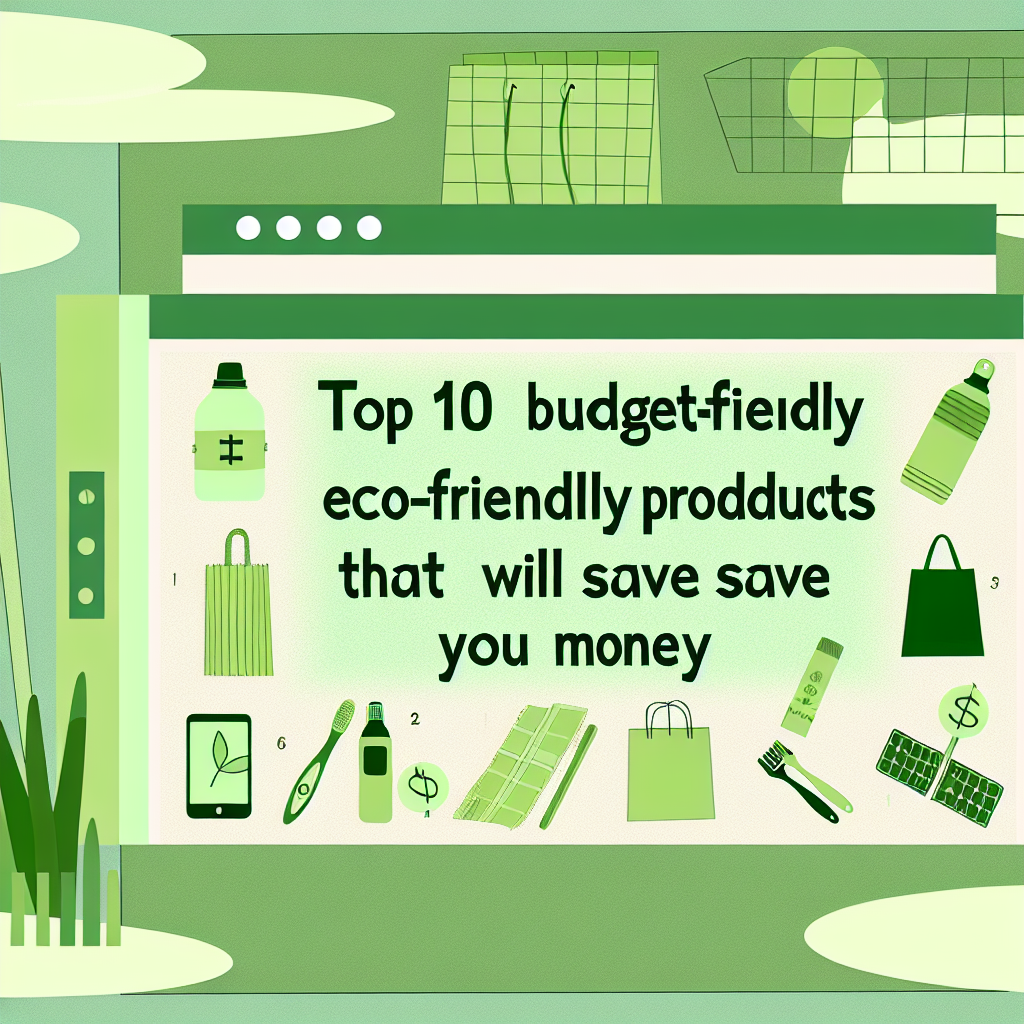
  • Top 10 Budget-Friendly Eco-Friendly Products That Will Save You Money

    Top 10 Budget-Friendly Eco-Friendly Products That Will Save You Money

    Top 10 Budget-Friendly Eco-Friendly Products That Will Save You Money

    Welcome to Frugal Zeitgeist, where we mix the art of saving money with saving the planet. Who said you can’t have your (vegan, gluten-free) cake and eat it too? Today, we’re exploring the top 10 budget-friendly eco-friendly products that will not only make Mother Earth happy but also be gentle on your wallet. Whether you’re an experienced green warrior or just starting to learn about being eco-friendly, these products are your guide to living sustainably and saving money. So get ready, and let’s find out how going green can also mean saving green!

    Benefits of Eco-Friendly Products

    Going green isn’t just cool for polar bears and penguins; it’s great for us too! Here’s why:

    • Environmental Impact: Eco-friendly products help reduce waste and save our precious resources. Imagine a clean planet with lots of happy animals and air that smells fresh. Yes, it’s all because you decided to use a bamboo toothbrush!

    • Health Benefits: Say goodbye to toxic chemicals and hello to natural ingredients. From cleaning sprays to food wraps, eco-friendly products can mean fewer chemicals in your home and a healthier, happier you.

    • Financial Savings: While some eco-friendly products might seem expensive at first, they last longer and can be reused, saving you money over time. Think of them like the Benjamin Button of products—they get cheaper with each use!

    Criteria for Selection

    When picking the best green products for this list, we had high standards. Here’s what we looked out for:

    • Affordability: It’s all about saving money! We focused on how much money we can keep in our pocket.

    • Sustainability: We looked for products made from eco-friendly materials or with eco-friendly lifecycles. No fake green products here!

    • Durability: Sturdy products that last save you money in the long run. We want products that pass the test of time.

    Top 10 Budget-Friendly Eco-Friendly Products

    1. Reusable Shopping Bags

    Are you still asking for “paper or plastic?” Reusable shopping bags are your new best buddies! They’re made from materials like jute, cotton, or recycled plastics. Many stores give discounts for bringing your own bags, so you can save money, too. Plus, they can double as gym bags or beach totes!

    2. Bamboo Toothbrushes

    Say goodbye to plastic toothbrushes and hello to bamboo! Not only is bamboo naturally antibacterial, but these toothbrushes are compostable, so they won’t pile up in landfills for hundreds of years. Tip: Buy them in bulk online to save even more.

    3. Rechargeable Batteries

    Save the planet one AA battery at a time! Rechargeable batteries can be used hundreds of times, which is good for the earth and your wallet. Keep them charged, and they’ll last a long time.

    4. LED Light Bulbs

    Why sit in the dark when you can switch to LED lights? They use much less energy than regular bulbs and last up to 25 times longer! That means you save money on your electricity bill and do less work changing bulbs.

    5. Refillable Water Bottles

    Stylish, easy to carry, and good for the earth—what more could you want? Say no to single-use plastic bottles and choose a durable, reusable one. They’re easier to clean and help you stay hydrated without harming the planet.

    6. Beeswax Food Wraps

    Say goodbye to plastic wrap. Beeswax wraps keep your food fresh and help you save money because they are reusable. Just wash them with mild soap and let them air dry. They’re as good as new!

    7. Compost Bin

    Turn trash into garden treasures. Compost bins may seem costly at first, but they save money by reducing trash and making nutritious soil for your plants. It’s a cool way to recycle right in your backyard!

    8. Natural Cleaning Products

    Mix vinegar, baking soda, and essential oils for clean homes that even Cleopatra would like. These homemade cleaners save money and the planet compared to chemical cleaners. Plus, they smell great!

    9. Solar-Powered Chargers

    Use the power of the sun to charge your devices. Perfect for road trips or as a backup at home, they help reduce electricity use and make you best friends with the sun.

    10. Clothes Drying Rack

    Why use an expensive dryer when you can use the air? A drying rack might seem old-fashioned, but it helps save energy and makes your clothes last longer! Hang them up with care and save money on your power bill.

    Tips for Buying Eco-Friendly Products on a Budget

    Now that you’re excited, here’s how to get these products without spending too much:

    • Watch for Sales: Eco-friendly products often go on sale around Earth Day or at the end of seasons. Remember those dates!

    • Second-hand and Thrift: Don’t be afraid to shop at thrift stores or buy second-hand. Eco-friendly products are usually built to last, so they’ll be good in their second life.

    • Prioritize Your Needs: Think about what fits best into your life before buying everything eco-friendly. Start with what you need the most for the best results.

    Conclusion

    Living an eco-friendly life doesn’t mean your savings have to suffer. Actually, it’s the opposite! By choosing products wisely, we can protect the environment and save money at the same time. Start with one or two changes, and notice how they affect your life.

    What are your favorite eco-friendly products? Do you have any tips? Leave a comment and join the Frugal Zeitgeist community. Your planet-loving, smart money advice might be our next topic!

    Additional Resources

    At Frugal Zeitgeist, we love learning. Check out these links to expand your eco-knowledge:

    Remember, every step towards being eco-friendly is a big help to our planet. Keep saving money, keep helping the earth, and always keep it fun!

  • How to Transition to a Zero-Waste Lifestyle Without Breaking the Bank

    How to Transition to a Zero-Waste Lifestyle Without Breaking the Bank

    How to Switch to a Zero-Waste Lifestyle Without Spending Too Much

    Welcome to Frugal Zeitgeist, where the tea is always hot, and the advice is even hotter—without costing you a lot of money or harming the planet! Today, we’re going to explore the amazing world of zero-waste living. Say goodbye to trash bins that are overflowing, and say hello to a high-five from Mother Nature. Did you know you can start living a zero-waste life without spending a lot of money? Interested? Let’s talk about how to make zero waste both easy and affordable!

    Understanding Zero-Waste

    Imagine this: a zero-waste lifestyle, where there’s less trash, but our lives are richer. Not all wealth is found in money—you can become an environmental hero by following the main ideas of the zero-waste movement. It’s not just about recycling—it’s about refusing, reducing, reusing, and recycling. The bonus? It helps our planet stay clean, keeps our oceans free from plastic, and makes our homes clutter-free and peaceful. The zero-waste lifestyle promises a cleaner Earth and a clear conscience, and you don’t have to spend a lot to get there.

    Setting Realistic Goals

    Before you start, it’s important to look at your current lifestyle and how much waste you produce. Take a good look around your home. Open those cabinet doors, peek into the trash bins, and play detective. The more you know, the better. Once you know what you’re dealing with, set some realistic zero-waste goals. Rome wasn’t built in a day, and your eco-friendly home won’t be either. Start small by focusing on areas where you can make a big impact—a little less packaging here, a bit of composting there. Set your sights on achievable goals, like using cloth bags instead of plastic ones or planning your meals to cut down on food waste, and watch your waste disappear.

    Budget-Friendly Strategies for Zero-Waste Living

    Don’t worry, money-saving friends, because we have some great tips for zero-waste living without spending too much.

    1. Use What You Already Have

    Before you get rid of old stuff and buy new things, look around your home. You’d be surprised what treasures you already have. Check out the things you own. Can those glass jars become storage containers? Can an old chair be fixed up with some paint? Before you spend any money, use your imagination and try repurposing. Get crafty with paint or duct tape!

    2. Cut Down Waste From the Start

    Buying less is a key part of zero-waste living. Start by decluttering and buying fewer things. When you go grocery shopping, look for package-free or bulk buying options. Choose well-made, long-lasting products, like bamboo utensils instead of plastic.

    3. Smart Grocery Shopping

    Think of meals like a treasure map—with healthy and zero-waste options all along the way. Plan your meals carefully to avoid wasting food. Buy local, seasonal produce—it’s good for your health, your wallet, and local farmers. Farmers’ markets are full of eco-friendly goodies.

    4. Make Your Own Stuff

    Be creative and make your own cleaning products using things like vinegar and baking soda. Start composting with scraps that don’t need to go to the landfill. Want a spa day? Try making beauty and personal care products at home that are good for both your budget and the environment.

    5. Use Multi-Purpose Items

    A few smart, multi-use items can change the way you live zero-waste. Switch from using paper towels to cloth napkins and towels. Carry reusable bags, jars, and water bottles wherever you go. Don’t forget about thrift stores, which have lots of secondhand treasures waiting for a new home.

    6. Share and Swap: Community Resources

    Remember, sharing is caring. Join local swap events to get new things for your home without spending any money. Borrow or rent instead of buying. Join online communities of zero-waste enthusiasts cheering you on.

    7. Learn and Inspire

    To keep going with zero-waste, education is key. Join groups of people who think like you for new ideas. Tell your friends and family about zero-waste. Use social media to share your experiences and stay motivated—everyone loves a good cheerleading squad!

    Keep Going and Improve

    Track your progress and celebrate your wins, no matter how small. Slowly get used to composting without feeling queasy? Great job! Keep learning and adapting. You’ll not only help the Earth but might also inspire others to join you.

    Challenges and Solutions

    Zero-waste living can be challenging. Maybe your dog doesn’t get why old sweaters aren’t toys. Maybe the bulk section feels confusing. The key is to find practical alternatives. Simplify your approach, research solutions, and keep going. Remember, even Jedi Masters like Yoda weren’t perfect.

    Conclusion

    In our journey to go zero-waste without spending too much, let’s remember one simple truth: it is possible—and it’s amazing! Like any big journey, the first step is the hardest, but once you start, it gets easier and more rewarding. So grab your reusable bags and get started today.

    Additional Resources

    Want more info? This is more fun than learning the periodic table! Check out resources like “Zero-Waste Home” by Bea Johnson or watch documentaries like “The Clean Bin Project.” For more tips and online support, look for blogs and apps about waste and sustainability.

    Ready to be a zero-waste hero who cares about the planet and saves money? Onwards, brave soul. The planet, your pocket, and yes, even the chickens, will thank you!

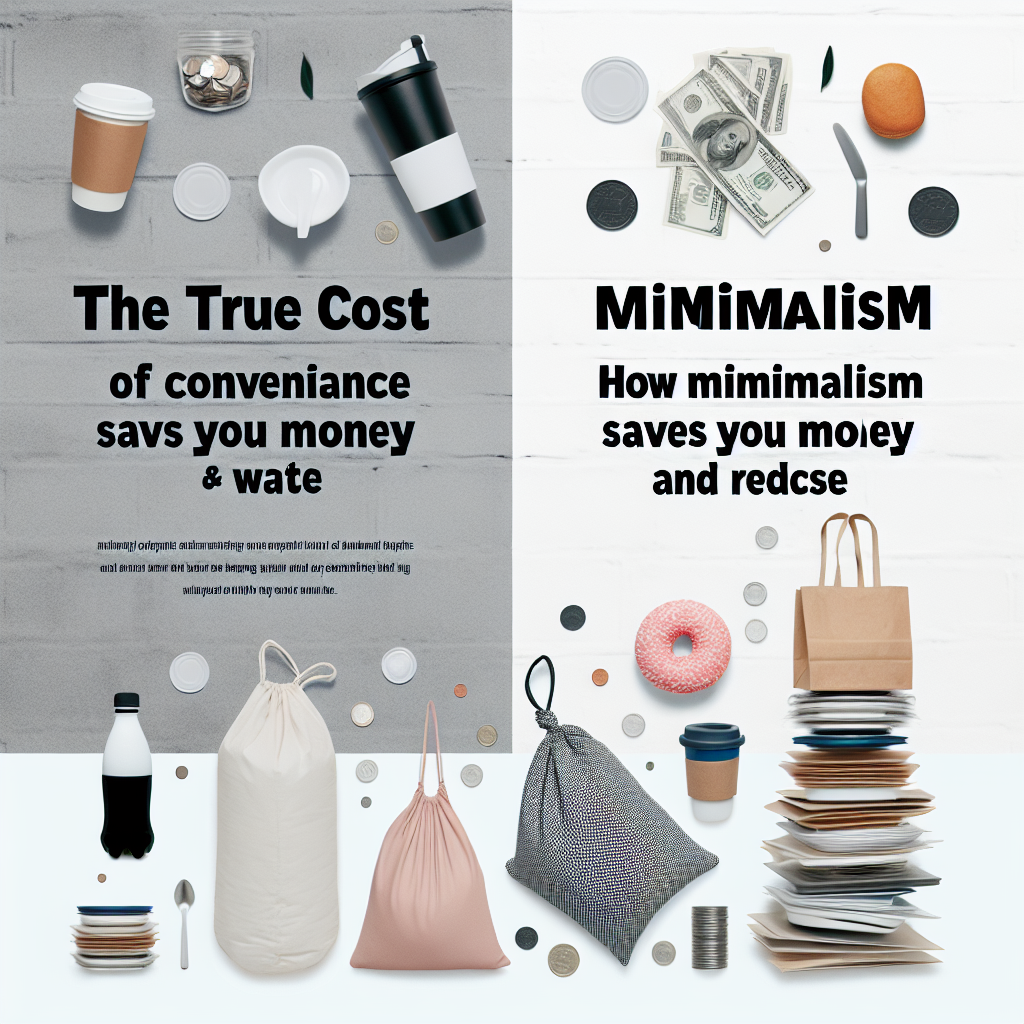
  • The True Cost of Convenience: How Minimalism Saves You Money and Reduces Waste

    The True Cost of Convenience: How Minimalism Saves You Money and Reduces Waste

    The Real Price of Being Convenient: How Minimalism Can Save You Money and Help Our Planet

    Introduction

    These days, life goes by really fast, and we’re used to everything being super easy and quick. We’ve got fast food spots everywhere, services that give us what we want right away, and gadgets that promise to make life easy. But have you ever thought about how this ‘fast and easy’ life affects your wallet and our planet? Don’t worry! At Frugal Zeitgeist, we’re here to tell you how awesome minimalism can be. It not only saves you money but also helps cut down on waste. Maybe it’s the life change you didn’t know you needed!

    Understanding the Convenience Craze

    In today’s world, being convenient and fast is the way many people like to live. We’ve got apps that bring food right to your door in no time, and lots of subscription services to keep us entertained. Convenience is everywhere!

    But have you noticed how quickly those little costs add up? Here are some convenient thingies that might be making your wallet cry:

    1. Subscription services: Netflix, Spotify, Disney+… there’s something for everything!
    2. Fast food and meal deliveries: Goodbye cooking, hello extra delivery fees.
    3. Disposable products: Paper plates, plastic forks, and all those single-use things.

    Even though these seem nice, they can cost a lot. Let’s check out how much they really cost.

    The Money Side of Convenience

    Oh boy, the money we spend because we want things fast! Convenience usually costs more because:

    1. Higher pricing for ready-to-use stuff: Pre-packed salads and microwave meals cost more than making your own.
    2. Buying on impulse thanks to sneaky ads: Ads that say “do it, you deserve it” are hard to resist.
    3. Long-term money effects from short-term ease: All the small buys become big expenses. Trust us, your credit card feels it!

    Think about these examples:

    • Daily coffee from shops vs. making it at home: If you buy a $5 coffee every day, it’s $150 a month! Making coffee at home is way cheaper.
    • Eating out vs. cooking at home: Ordering out a lot doubles your grocery bill.
    • Single-use stuff vs. reusables: Reusable bottles and bags save money over time.

    Convenience and the Earth

    Besides costing money, convenience creates a lot of waste:

    1. Raw materials and energy use to make convenience goods.
    2. Filling up landfills, especially with plastics and throwaway electronics.
    3. Hurting wildlife, because of trash in the oceans and microplastics.

    This all builds a huge carbon footprint, making global warming worse. But wait, before you feel bad, there’s hope: it’s called minimalism!

    What is Minimalism?

    Minimalism is living with intention, focusing on what’s important, and getting rid of the extra—stuff and stress. It’s like going against convenience stuff and wanting less.

    Minimalism means:

    • Changing priorities from things to experiences.
    • Smart shopping, only getting what you really need.
    • Wise spending and saving, leading to financial freedom and helping the planet.

    Money Benefits of Minimalism

    Minimalism has lots of ways to save money:

    1. Spending less on things you don’t need, because less stuff means less buying.
    2. Better financial habits and budgets, since you think more about your spending.
    3. More chances to save and invest, because living minimally usually means lower costs.

    Want to try minimalism? Here’s how:

    • Think about needs over wants to avoid shopping on a whim.
    • Keep your space simple by decluttering every few months.
    • Choose quality over quantity, buying things that last.

    Earth Benefits of Minimalism

    Minimalism helps the Earth, not just your wallet:

    1. Less personal waste: Fewer things mean less trash—simple!
    2. Lower need for mass-produced goods, saving resources.
    3. Smaller carbon footprints, since minimalists often make eco-friendly choices.

    Minimalism promotes smarter resource use, supports green living practices, and shrinks your carbon footprint. You’re not just downsizing your home; you’re making a big impact on our planet!

    Real-life Stories

    Meet Anna and Ben—a couple who went minimalist and got rid of extra stuff. A few months later, they’re saving hundreds on utility bills, groceries, and personal costs. Plus, their house feels bigger without all the clutter!

    Tips from Anna and Ben:

    • Start small; be sustainable step by step.
    • Prefer experiences over things.
    • Join groups of other minimalists for support.

    Easy Steps to Start Minimalism

    Want to start your minimalist journey? Try these:

    1. Clear out your living space, one room at a time.
    2. Cut down on subscriptions, and soon you’ll have extra cash!
    3. Build eco-friendly habits, like using reusable bags or shopping second-hand.
    4. Buy thoughtfully; remember, quality is better than quantity.

    Minimalism isn’t always easy, but staying patient and committed makes all the difference.

    Conclusion

    Being convenient might sound good, but it’s important to see how it affects your money and the Earth long-term. Minimalism, however, helps you manage money better and live sustainably, giving benefits to you and the world.

    Call to Action

    Look at your own life—find places you can save money and cut waste by being less reliant on convenience. Start small: cancel an unused subscription, use a reusable cup, or tidy up your home. As you try out minimalist ideas, you’ll not only save but also help our planet. Join us at Frugal Zeitgeist and let’s work towards a smart, minimalist life and save the green—money and the Earth’s kind too!

  • The Cost Benefits of Going Solar: Is It Worth the Investment for Your Home?

    The Cost Benefits of Going Solar: Is It Worth the Investment for Your Home?

    The Cost Benefits of Going Solar: Is It Worth the Investment for Your Home? 🌞

    Introduction

    A long time ago, most of our energy came from things that made the Earth sad. Imagine a polar bear slipping off a melting iceberg, and you get the idea. We still use a lot of fossil fuels, but they aren’t great for the planet. But don’t worry, solar energy is here to save the day, acting like a superhero for our world.

    In this exciting story, we talk about why solar energy might be a good fit for your home. Are those solar panels just fancy things for your roof, or do they have real value? Put on your reading glasses and find out.

    Understanding Solar Power

    Before you stick solar panels on your roof like pepperoni on a pizza, let’s learn a bit about how they work. Solar panels catch sunlight (imagine them sunbathing), turn it into electricity (it’s science, not magic), and then your lights are on. And the planet is happier, too. 💡

    Types of Solar Panel Systems for Homes

    1. Grid-tied Systems: These systems connect to the power grid, allowing you to share any extra energy you make or get more if you need it.
    2. Off-grid Systems: These systems work on their own without the grid and might need batteries to store energy.
    3. Hybrid Systems: These use both the grid and batteries as a backup, kind of like having a secret stash of cookies.

    New trends include super-efficient panels and solar roof tiles, which are like cool sunglasses for your house.

    Initial Costs of Going Solar

    Let’s talk about the first costs. It can make some people nervous, but investing in solar is like buying sunlight that will save you money later.

    Cost Breakdown of Solar Panel Installation

    • Equipment Costs: This covers the panels, inverters, and mounts.
    • Installation Labor Charges: The people who put up the panels need to be paid, and not just with happy thoughts.
    • Additional Fees: Permits, checking the system, and surprise fees that might pop up.

    Financing Options Available

    • Solar Loans: You borrow money first, but save money later.
    • Leases and Power Purchase Agreements (PPAs): This is like renting. You pay less at first, but you won’t fully own it.

    Government Incentives and Rebates: Uncle Sam wants you to go solar and offers rebates to make it cheaper.

    Long-Term Financial Benefits

    1. Reduction in Monthly Utility Bills: Your bills will shrink, just like wool socks in a hot dryer.
    2. Increase in Property Value: Houses with solar panels can be more valuable, just like wearing trendy glasses.
    3. Tax Credits and Other Government Incentives: Get discounts on solar energy? Yes, please.
    4. Return on Investment (ROI) and Payback Period: After a few sunny years, you’ll recover your costs.

    Environmental Benefits

    Besides saving money, solar energy helps make your carbon footprint as small as a bug’s tiny toe. It helps with:

    1. Reduction in Carbon Footprint: Smaller footprints mean bigger smiles.
    2. Contribution to Renewable Energy Goals: You’re a hero, helping with renewable energy.
    3. Impact on Local and Global Environmental Initiatives: You win a sticker for helping the community and the planet.

    Potential Downsides of Solar Investment

    Not everything’s always sunny:

    1. Initial Cost Outlay: It might be expensive at first, like an extravagant holiday.
    2. Maintenance and Repair Costs: You’ll have a schedule to keep them clean.
    3. Variability in Energy Savings: Clouds might play games with your energy savings.
    4. Roof Suitability and Space Limitations: Some roofs aren’t suitable, so check first.

    Factors Influencing Solar Suitability for Your Home

    Solar energy isn’t perfect for everyone. Think about:

    1. Geographic Location and Climate: Sunny places are the best, but even some cloudy spots can save money.
    2. Local Energy Prices and Inflation: See how prices change where you live.
    3. Roof Type and Orientation: Make sure your roof is ready for solar panels.
    4. Future Energy Consumption Expectations: Think about how much energy you’ll use.

    Misconceptions About Solar Energy

    Let’s bust some myths:

    • Myth: Solar Panels are Too Expensive: They cost a lot at first, but you save money over time.
    • Myth: Solar Power Only Works in Sunny Climates: Even places with clouds can use solar power.
    • Myth: The Technology is Not Reliable: It’s super reliable, unlike some online advertisements.

    Real-Life Case Studies

    Meet Mr. Smith, who made his energy bills disappear, kind of like a ghost story. And Mrs. Johnson, who became the neighborhood’s energy-saving queen.

    Evaluating Your Options

    Follow these steps to decide:

    1. Conducting a Home Energy Audit: Look for ways your home might waste energy.
    2. Consulting with Solar Energy Professionals: These are the experts, kind of like solar wizards.
    3. Comparing Quotes and Solar Providers: Check out different solar companies before choosing.

    Conclusion

    If you live in a sunny place and it makes sense financially, going solar makes you a hero of resilience. If not, don’t worry! Every step towards renewable energy helps the planet. 🌍

    So, is going solar a worthy investment? Remember, knowledge is power, but solar is even better.

    Call to Action

    Want to turn your home into a sun-powered savings machine? Call a solar provider today or search online for ways to make solar work for you.

    Resources and Further Reading

    For those who want more:

    Join us in lighting up your home and cutting down on bills with solar panels! 🌈

  • The True Cost of Convenience: How Switching to Zero-Waste Products Can Save You Money

    The True Cost of Convenience: How Switching to Zero-Waste Products Can Save You Money

    The True Cost of Convenience: How Switching to Zero-Waste Products Can Save You Money

    Introduction

    Convenience is great, isn’t it? Nowadays, we can have everything from meals to movies with just a click. But have you ever thought about the hidden costs of all this convenience? Spoiler: it’s more expensive than you might think, and it’s not just Mother Earth paying the price. At Frugal Zeitgeist, we care about saving money—and helping the planet. Today, we’re talking about the zero-waste movement. Not only is it good for the Earth, but it can also save you money. It’s true—giving up disposable products can be like hitting the jackpot!

    Understanding the True Cost of Convenience

    Economic Costs

    Convenience costs money! Have you noticed how your grocery bill rises when you buy pre-packaged snacks and disposable products? Let’s take a look:

    1. Disposable Products Drain: Think about all those plastic bottles, paper towels, and razors you keep buying. It’s like you signed up for a service that never ends!

    2. Hidden Cost Villains: Besides the price tag, there are extra costs from packaging and transportation that make everything more expensive and wasteful.

    3. Upfront Costs vs. Long-Term Savings: A reusable water bottle costs more at first, but over time, it’s like getting your favorite bottled water on sale forever!

    Environmental Costs

    The environment also pays a price:

    1. Carbon Footprint Crisis: Single-use items contribute to a huge carbon footprint.

    2. Wildlife Woes and Resource Depletion: Our oceans and forests are suffering, affecting animals too.

    3. Societal Waste Management Burden: Tax dollars go to cleaning up our wasteful ways. Wouldn’t you rather save that money?

    Benefits of Zero-Waste Products

    Financial Savings

    Switching to zero-waste can save serious money:

    1. Hydrate Smarter: Use a reusable water bottle. You could save $200 a year by not buying bottled water!

    2. Scrap the Paper: Swap paper towels for cloth napkins and save at least $100 every year.

    3. Groom to Save: Switch to stainless steel razors. You’ll save more money in the long run!

    Add up these swaps, and you could save hundreds, maybe thousands of dollars every year. As you make more zero-waste choices, your savings grow—a win-win!

    Environmental Impact

    Besides saving money, zero-waste choices help:

    1. Waste Reduction: Using reusables lowers the amount of trash you make.

    2. Ecosystem Relief: Less waste means healthier habitats for wildlife.

    3. Support Sustainability: When you buy zero-waste products, you support companies that care about the planet.

    How to Transition to Zero-Waste Products

    Initial Steps

    Don’t worry! You can switch to zero-waste gradually:

    1. Big Impact, Little Effort: Start with easy, high-impact changes—like using reusable grocery bags.

    2. Spot Your Waste: Look for areas in your home with lots of waste and think about how to change them.

    3. Goal Setting: Make small goals. A zero-waste lifestyle takes time!

    Try these earth-friendly swaps:

    1. Reusable shopping bags
    2. Refillable cleaning products
    3. Compostable kitchenware
    4. Bamboo toothbrushes
    5. Beeswax wraps for food storage
    6. Bar shampoo and conditioner
    7. Reusable produce bags
    8. Rechargeable batteries
    9. Menstrual cups or reusable pads
    10. Glass or stainless steel food containers

    Budget-Friendly Tips

    Here’s how to help the planet without spending too much:

    1. Secondhand Gold: Look for gently used zero-waste products.

    2. Get Crafty: Make your own cleaning products with vinegar and baking soda.

    3. Community Power: Borrow, share, and buy together. Join co-ops or community groups.

    Overcoming Common Challenges

    Myths and Misconceptions

    Some people think zero-waste living is too expensive or hard. Let’s clear that up:

    1. Cost Concerns: The initial cost might seem high, but you’ll save money over time.

    2. Convenience Misfires: It gets easier with practice. Find swaps that work for you.

    Social and Lifestyle Adjustments

    You’re not alone! Build your zero-waste community:

    1. Network Power: Join zero-waste forums or social media groups for tips and support.

    2. Family Involvement: Get your family involved by making it fun. Use the money you save for something fun, like a pizza night!

    Conclusion

    Switching to zero-waste products is about more than just reducing plastic. It’s about creating a future where we save money and help the planet. At Frugal Zeitgeist, we’re cheering you on! Make a change that saves you money and ensures a healthier world for future generations. Track your savings and see what a big difference you can make!

    Additional Resources

    • Join the Conversation: Become part of online zero-waste communities. They’re full of great ideas.
    • Friendly Reads and Films: Check out “Zero Waste Home” by Bea Johnson or “The Clean Bin Project” documentary to learn more.
    • Tech Your Way to Zero Waste: Use apps like Too Good To Go or iRecycle for zero-waste tips.

    Remember, making sustainable changes starts with one step. Let your inner frugal warrior shine! 🌿💚

  • How to Embrace a Zero-Waste Lifestyle Without Breaking the Bank

    How to Embrace a Zero-Waste Lifestyle Without Breaking the Bank

    # How to Start a Zero-Waste Lifestyle Without Spending Too Much

    ## Introduction

    Welcome to the world of zero-waste living! This lifestyle is all about reducing, reusing, and recycling for an eco-friendly life that won’t cost you a ton. Zero-waste living means cutting down your waste to almost nothing. Imagine a world where trash cans are hardly used. Every choice you make helps Mother Earth and saves you money.

    Some people think zero waste is only for rich people who buy expensive bamboo things. But at Frugal Zeitgeist, we know anyone can live this way without spending more than they save. Let’s find out how!

    ## Understanding the Zero-Waste Mindset

    First, find the calm in zero waste. Living this way is about changing your mindset. Instead of grabbing plastic-wrapped items, choose things that are sustainable. Remember the 3 R’s—Reduce, Reuse, and Recycle? It should really be 3 R’s and a P for Planting your thinking in sustainability!

    ### Why You Need a Mindset Change

    Think of zero waste as moving forward into a more eco-friendly way of living! We need to say goodbye to convenience that harms our world and costs us money. Think of yourself as a planet protector and consider every purchase carefully.

    ## Reducing Wasteful Habits

    ### 1. Look Through What You Own

    Start by checking what you already have. Go through your closets like a detective finding forgotten things. Try using less stuff. Each day, find one thing you don’t need and get rid of it. Soon, you’ll be an eco-hero!

    ### 2. Buy Only What You Need

    Before you click “add to cart,” ask yourself, “Do I really need this?” Choose quality items that last longer. Support local stores and fair businesses—your buying choices make a difference!

    ## Cheap Zero-Waste Practices

    ### 3. Make Your Own Stuff

    Get creative and make your own products:

    – **Clean with Homemade Products**: Use vinegar, baking soda, and maybe some essential oils to clean your home.
    – **Personal Care at Home**: Make things like sugar scrubs and face masks yourself.
    – **Reuse and Repurpose**: Turn old clothes into cleaning rags or other fun projects.

    ### 4. Shop and Store Smartly

    Buy in bulk and use glass jars to keep your food fresh. Store food properly to reduce waste and keep your shelves happy. A good tip is to store greens in the fridge with a damp paper towel to make them last longer.

    ### 5. Plan Meals and Reduce Food Waste

    Planning meals helps reduce waste:

    – **Cook Once, Eat Thrice**: Make a big batch and eat it multiple times.
    – **Creative with Leftovers**: Use leftover roast chicken for delicious new dishes.
    – **Compost at Home**: Turn food scraps into rich soil.

    ## Zero-Waste Options for Daily Needs

    ### 6. Better Personal Care Products

    Upgrade your bathroom without overspending:

    – **Shampoo and Conditioner Bars**: No more plastic bottles!
    – **Reusable Razors**: Use ones that last and don’t end up in the trash.
    – **Biodegradable Toothbrushes**: Use bamboo toothbrushes instead of plastic.

    ### 7. Eco-Friendly Cleaning Supplies

    Change how you clean:

    – **Vinegar and Baking Soda**: A powerful combo for cleaning.
    – **Reusable Cloths**: Use cloths that can be washed instead of paper towels.
    – **Eco-Friendly Detergents**: Use kind and safe detergents for dishwashing and laundry.

    ### 8. Say No to Single-Use Items

    Get rid of single-use items by investing in things that last:

    – **Reusable Bags**: Help save the planet with every grocery trip.
    – **Carry Reusables**: Keep a water bottle and coffee cup handy on your travels.
    – **Metal or Bamboo Straws**: Use reusable straws instead of plastic.

    ## Join and Engage in the Community

    ### 9. Join Zero-Waste Groups

    Find help from eco-friendly friends. Join groups where people share zero-waste ideas and tips. Look for workshops in your area to learn more and connect with others.

    ### 10. Share What You Learn

    Be excited and share your knowledge with others:

    – **Host Swap Meets**: Exchange items you no longer need with others.
    – **Organize Clean-Ups**: Help keep your community clean.
    – **Educate**: Talk about zero waste at community events.

    ## Facing Challenges in Going Zero Waste

    It’s not easy to change overnight. Taking small steps, even just going low-waste, is great. Celebrate every little change you make. Remember, small steps can make a big impact.

    ## Conclusion

    Living a zero-waste lifestyle is good for the planet and your wallet. Start with small changes and watch them grow into bigger ones. The earth and your bank account will thank you. Ready to start? Choose just one area to focus on today and start your zero-waste journey. Welcome to living your best zero-waste life without breaking the bank!

  • Top 7 Eco-Friendly Alternatives to Cut Your Monthly Expenses

    Top 7 Eco-Friendly Alternatives to Cut Your Monthly Expenses

    # Top 7 Eco-Friendly Alternatives to Cut Your Monthly Expenses

    ## Introduction

    Hey there, earth-friendly and budget-smart friends! Have you noticed how quickly money seems to disappear these days? You earn it, then poof, it’s gone into the bill abyss! But don’t worry! Here at Frugal Zeitgeist, we have a solution that’s as kind to Mother Earth as it is to your wallet. Using sustainable practices in your daily life is not just a trend; it’s a cool way to live and keep some extra coins in your pocket for those important coffee runs. So, buckle up and join us on this exciting journey to discover the top eco-friendly alternatives that can help reduce your monthly expenses.

    ## 1. Energy Alternatives

    Let there be light! And cost-saving energy solutions!

    1. **Solar Panels**: Have you thought about letting the sun pay your electricity bills? Investing in solar panels can drastically cut your electricity costs while being kind to the environment. Over time, those scary power bills will become a thing of the past. Plus, your home will look extra cool with that green touch!

    2. **Energy-Efficient Appliances**: It’s time to say goodbye to your old energy-hungry fridge and hello to an Energy Star-rated appliance. By making the switch, you can save a lot on your utility bills without much effort.

    3. **LED Lighting**: Incandescent bulbs are soooo last century. Light up your space with LED bulbs that last longer and use less energy. It’s like having a never-ending party and still feeling fresh for work the next day!

    ## 2. Water Conservation

    Let’s make a splash in savings by conserving water.

    1. **Low-Flow Fixtures**: Get low-flow showerheads and faucets for your home. These gadgets save water without taking away that awesome shower power that helps you relax after a long day.

    2. **Rainwater Harvesting**: Why let free rainwater go to waste when you can collect it for gardening or other non-drinking uses? Imagine your garden flourishing and you becoming the rainwater hero of your neighborhood.

    3. **Grey Water Systems**: Turn used water from baths and sinks into life-giving help for your garden. Your plants will love it, and you’ll cut down on water expenses – now that’s a win!

    ## 3. Transportation Choices

    Travel through town like the eco-friendly king or queen you are.

    1. **Carpooling**: Sharing is caring, especially when it comes to cutting fuel costs. Carpooling is great for the environment and gives you a chance to bond with other frugal-minded friends on the road.

    2. **Public Transit**: Hop on a bus or metro and let someone else do the driving. This helps you save on fuel and maintenance costs while lowering your carbon footprint. Plus, you get extra time to enjoy your favorite book or podcast!

    3. **Bicycling and Walking**: Who needs a gym membership when you have your own two wheels or feet? Biking or walking not only saves money but also keeps you active and healthy. Watch out, Lance Armstrong – there’s a new cyclist in town!

    ## 4. Waste Reduction

    Turn trash into treasure with these simple swaps.

    1. **Composting**: Turn those fruit peels and veggie scraps into nutrient-rich compost for your garden. Your trash can will look pretty empty, and your garden will thank you for the treat.

    2. **Reusable Products**: Say goodbye to single-use products and welcome reusable bags, bottles, and containers into your life. Mother Nature and your wallet will both want to give you a high-five.

    3. **Second-hand Shopping**: Discover the world of second-hand chic. Whether it’s furniture, clothes, or household goods, thrift shopping offers something for everyone. It’s sustainable, stylish, and thrifty – a triple threat!

    ## 5. Food Choices

    From growing your own veggies to saving money, eco-friendly eating never tasted so good!

    1. **Growing Your Own Produce**: Use that green thumb of yours! Whether growing herbs in your kitchen window or starting a small veggie garden, growing your own food is rewarding and cost-effective.

    2. **Community Supported Agriculture (CSA)**: Join a CSA program to get fresh, organic produce directly from local farms. You’ll save on store-bought veggies while supporting local farmers – it’s a win-win!

    3. **Plant-Based Meals**: Eating less meat can lower your grocery bill and greatly help the environment. Try cooking tasty meatless meals, and watch the savings and compliments come in.

    ## 6. Home Optimization

    Make your home eco-friendly and warm your heart with sustainable savings.

    1. **Insulation and Draft-Proofing**: Make your home cozy and cost-effective with proper insulation and draft-proofing. You’ll reduce heating and cooling costs and feel more comfortable all year round.

    2. **Smart Thermostats**: Use technology to help you – install a smart thermostat to keep your home at the perfect temperature while saving energy. Control it from your phone and enjoy a comfy climate at home.

    3. **Natural Cleaning Products**: Ditch harsh chemicals and switch to natural cleaning products. You can even make your own, saving money and feeling like a cleaning superhero.

    ## 7. Financial Incentives and Programs

    Get those greenbacks with eco-friendly rebates and initiatives.

    1. **Government Rebates**: Use government rebates and incentives for eco-friendly home improvements. From solar panel installation to energy-efficient appliances, those perks can be yours with a little paperwork.

    2. **Local Initiatives**: Look for community programs focused on sustainability. Whether it’s a neighborhood composting program or local energy-saving incentives, you’ll find ways to save and live sustainably.

    3. **Educational Workshops**: Knowledge is power! Attend workshops on sustainable living to learn new tips on how to save money and be green. You might even discover a talent for upcycling!

    ## Conclusion

    By using these eco-friendly alternatives, you can lower your monthly expenses and help create a healthier planet. It’s like getting two treats for the effort of one: saving money while promoting a sustainable environment. From energy-saving steps to reducing waste, small changes can have a big impact. Start today with just a couple of steps, and watch your savings grow alongside a brighter, greener future.

    ## Call to Action

    Ready to master sustainability and frugality? Start small and expand your efforts. Whether it’s changing out a few light bulbs or setting up a rainwater barrel, every step matters. Don’t forget to share your experiences, tips, or favorite methods for saving money sustainably in the comments below. We’re all in this together, making life eco-fabulous at Frugal Zeitgeist!