Blog

  • Top 10 Eco-Friendly Swaps That Will Save You Money and the Planet

    Top 10 Eco-Friendly Swaps That Will Save You Money and the Planet

    Top 10 Eco-Friendly Swaps That Will Save You Money and the Planet

    Introduction

    Hi, Earth lovers and money savers! Welcome to Frugal Zeitgeist, where we learn how to live well for less while helping our beautiful planet. With the environment in trouble, like oceans full of plastic and growing landfills, it’s super important to make sustainable changes. The best part? Being eco-friendly also helps you save money. If you’re ready to be a superstar for the Earth and your wallet, let’s look at these top 10 swaps!

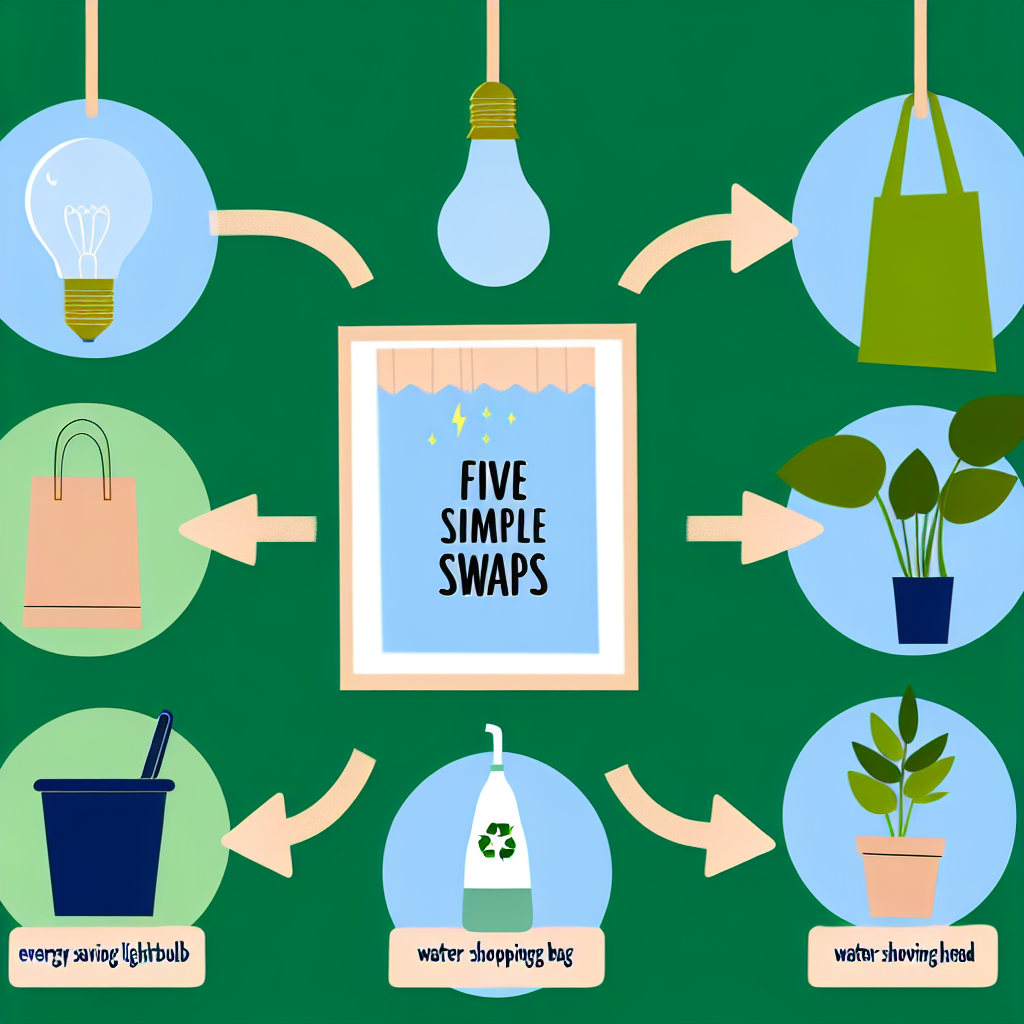
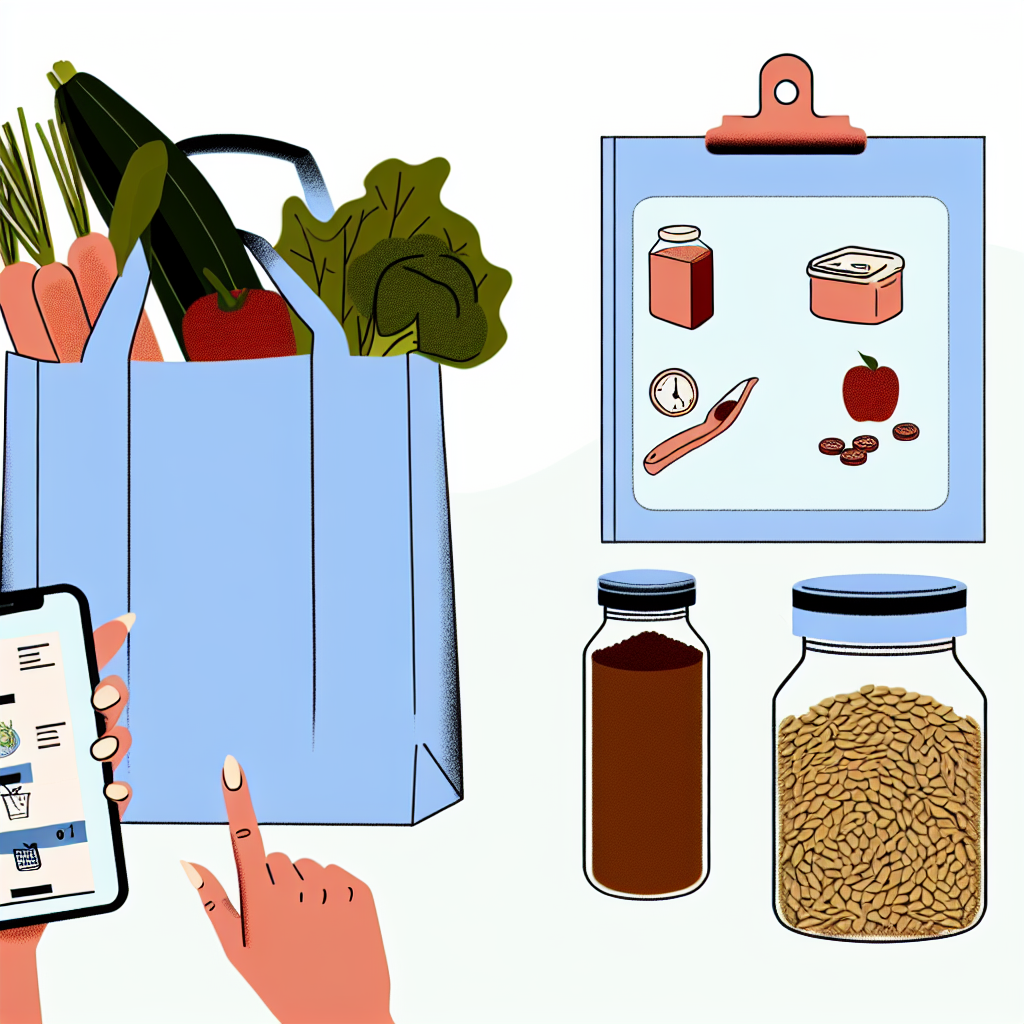
    1. Reusable Shopping Bags

    Benefits

    • Environmental Impact: We’ve all heard the story of how plastic bags last forever and end up everywhere. Say goodbye to waste by using reusable shopping bags!
    • Cost Efficiency: Lots of stores give you discounts for bringing your own bag.

    Budget-Friendly Options

    Worried about cost? Don’t be. Try bags made from cotton, canvas, or recycled stuff. These bags hold your groceries and are stronger than plastic bags!

    2. Cloth Napkins and Towels

    Benefits

    • Reduced Waste: Replace paper towels with cloth napkins! They’re washable and better for the planet.
    • Durability: Cloth napkins last long and won’t fall apart like paper ones when they’re wet.

    Savings

    Using cloth saves you money over time compared to buying paper products again and again. Plus, they make your table look fancy for dinner!

    3. LED Light Bulbs

    Benefits

    • Energy Efficiency: LED bulbs last a long time and use less energy.
    • Longer Lifespan: Unlike regular bulbs, LED bulbs won’t burn out quickly.

    Cost Analysis

    LED bulbs might cost more at first, but you’ll save money on electricity bills, making them a smart buy.

    4. Reusable Water Bottles

    Environmental Impact

    Stop using single-use plastic bottles. Reusable bottles are free of harmful chemicals and reduce plastic waste. Your future self—and the Earth—will be glad you did!

    Financial Savings

    Buying single-use bottles adds up quickly. A one-time purchase of a good reusable bottle saves you a lot over time.

    5. Stainless Steel or Glass Straws

    Benefits

    • Pollution Reduction: Plastic straws harm oceans, so use reusable ones instead.
    • Easy Maintenance: Many come with a small brush for easy cleaning!

    Options and Brands

    Look for brands like FinalStraw or Klean Kanteen. They make tough straws, and choosing them shows you care about the planet.

    6. Homemade Cleaning Products

    Benefits

    • Non-Toxic: Ditch chemical-filled cleaners.
    • Affordability: Homemade cleaners are cheap and work well.

    Recipes

    With basics like baking soda, vinegar, and essential oils, you can make your own cleaners. Your home will smell fresh and be free from harsh chemicals.

    7. Energy-Efficient Appliances

    Environmental Impact

    Energy-efficient appliances use less electricity, which is better for the Earth.

    Cost Considerations

    These appliances might cost more upfront, but lower energy bills will make you happy soon!

    8. Zero-Waste Personal Care Products

    Examples

    • Shampoo Bars: No more plastic bottles in the shower.
    • Bamboo Toothbrushes: A better choice than plastic.
    • Cloth Facial Rounds: Reuse and cut down on waste.

    Longevity and Cost

    They might cost more at first, but they last longer and save you money by not needing to be replaced often. Plus, they make your morning routine special.

    9. Composting at Home

    Benefits

    • Waste Reduction: Keep stuff out of landfills by composting.
    • Garden Gold: Compost makes soil rich, perfect for growing a garden.

    Getting Started

    It’s easy: collect your kitchen scraps. Get a bin and begin your green journey, one peel at a time.

    10. Second-Hand Shopping

    Benefits

    • Resource Reduction: Less demand for new materials.
    • Unique Finds: Second-hand stores are filled with unique treasures.

    Where to Shop

    Thrift stores, eBay, Poshmark, and local swaps are awesome places to look.

    Conclusion

    Start using these eco-friendly swaps to say, “Hello, responsible living!” Not only do they help the environment, but they also boost your savings. Let’s make smart, sustainable choices for a better tomorrow.

    Call-to-Action

    We’d love to hear from you—what are your favorite eco-friendly swaps? Share them in the comments below, and make sure to subscribe to Frugal Zeitgeist for more tips on sustainable living. After all, who doesn’t love living well while being kind to our dear planet?

  • 10 Surprising Ways to Slash Your Grocery Bill While Saving the Planet

    10 Surprising Ways to Slash Your Grocery Bill While Saving the Planet

    10 Surprising Ways to Slash Your Grocery Bill While Saving the Planet

    Welcome to Frugal Zeitgeist, where being smart and saving the planet go hand-in-hand. In today’s blog post, we’re tackling a challenge almost everyone faces: cutting down those pesky grocery bills while being kind to Mother Earth. Who says you can’t do both and have a little fun along the way?

    We’ll explore 10 surprising ways to save money while also making a positive impact on the environment. So, get ready to start some new sustainable habits and save some cash.

    1. Plan Ahead: A Smart Shopping Strategy

    “Failing to plan is planning to fail,” they say. That sure applies to grocery shopping! Here’s how to stick it to waste and costs:

    • Meal Planning Magic: Spend some time each week to plan your meals. This reduces impulse buys and ensures you use everything you buy.
    • Shopping Lists: Walk into the store with a list. Stick to it and resist the siren calls of fancy packaging.
    • Tech Helpers: Use apps like Mealime or Plan to Eat. They help create lists and keep you organized like a grocery store hero.

    2. Embrace Plant-Based Options

    Choosing a plant-based diet not only cuts your grocery bill but also keeps our planet happy:

    • Eco and Wallet-Friendly: Plant-based meals usually cost less than meaty ones. How about a bean burrito?
    • Meatless Meal Ideas: Try budget-friendly dishes like vegetable stir-fry, chickpea curries, or mushroom risotto.
    • Transition Tips: Start with small changes—perhaps Meatless Mondays. Your wallet and the planet will thank you!

    3. Buy in Bulk for More Benefits

    When buying in bulk, size really does matter:

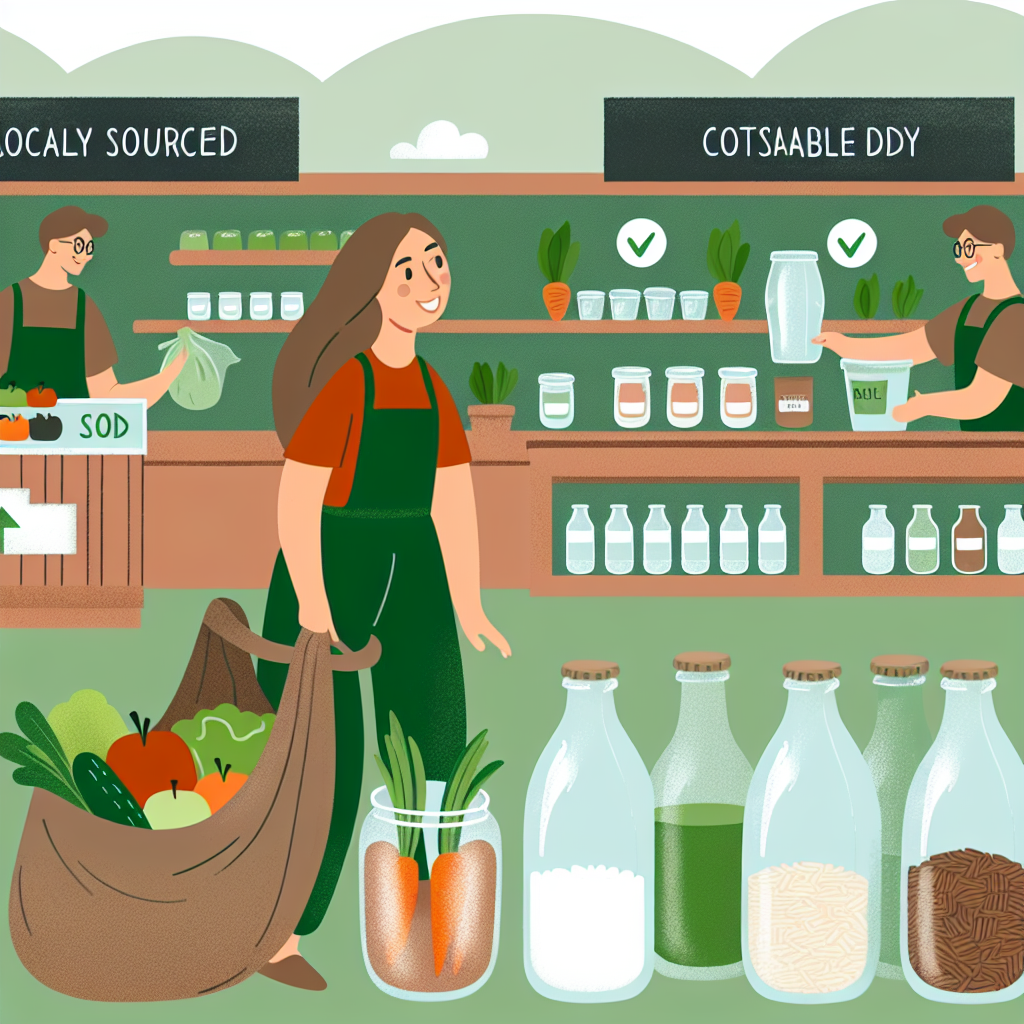
    • What to Buy: Stock up on non-perishables like beans, rice, and oats.
    • Packaging Perk: Buying in bulk can reduce the plastic that’s haunting our oceans.
    • Storage Savvy: Use airtight containers to keep those bulk buys fresh and fabulous.

    4. Choose Seasonal and Local Produce

    Eating with the seasons is not only cheaper, but it’s also fun to try new recipes:

    • Seasonal Savings: Fruits and veggies in season are tastier and easier on your wallet.
    • Local Love: Farmers’ markets offer fresh, local, and often cheaper produce.
    • Food Miles Count: Reduce the carbon footprint of your food by checking its travel history.

    5. Reduce Food Waste with Smart Storage

    Smart storage makes a big difference:

    • Organize Your Pantry: Move older items to the front. It’s simple but important.
    • Love Leftovers: Use leftovers in new dishes like frittatas or stir-fries.
    • Composting Magic: Turn scraps into compost for your garden.

    6. DIY: Make Your Own Alternatives

    Go homemade and save money:

    • DIY Delights: Make your own bread, yogurt, or granola bars. They are healthier and often cheaper.
    • Homemade Happiness: Get into making tomato sauces, salad dressings, and more.
    • Reduce Waste: Skip extra plastic wraps and cartons by making things yourself.

    7. Use Coupons and Cashback Apps

    Let’s talk about saving money in an exciting way:

    • Clip and Click: Find digital coupons on sites like Coupons.com or CheckOut51.
    • Cashback Champs: Rakuten and Ibotta offer cashback rewards on your purchases.
    • Combine Offers: Stack offers for cheaper groceries like stacking pancakes, but way less sticky!

    8. Grow Your Own Essentials

    Nothing beats growing your own food at home:

    • Herbs and Happiness: Start with herbs like basil and mint or veggies like tomatoes.
    • Great Investment: Initial costs are small compared to the big harvest you’ll enjoy.
    • City Gardening: Urban gardening is possible with vertical gardens or container plants.

    9. Mindful Consumption and Portion Control

    Let’s eat carefully and avoid waste:

    • Buy Only What You Need: Only get enough to last the week. Your veggies will thank you for not wilting.
    • Measure Out: Plan meal portions for the week to avoid wasting food (and calories).
    • Mindful Eating Tips: Shop and eat with purpose. Enjoy every bite. It’s about quality, not just quantity.

    10. Choose Store-Brand Products

    Store brands are great savings:

    • Store-Brand Savings: These are often made by the same makers as name brands but cheaper.
    • Eco-Friendly Choices: Store brands use fewer packaging materials.
    • Compare and Save: You might find a new favorite in the store-brand aisle.

    Conclusion

    There you have it—a guide to cutting down on grocery bills while helping our planet. Each tip not only supports your budget but also leads to a more sustainable lifestyle. Start by trying a few tips that resonate with you and watch the savings (and good vibes) roll in.

    We’d love to hear from you! Share your grocery cost-cutting, planet-friendly tips in the comments below. The more, the merrier on this eco-friendly adventure!

    Additional Resources

    • Mealime: A helpful meal planning app
    • “The Zero Waste Home” by Bea Johnson: A book on reducing waste in everyday life
    • Green Living Forums: Join online communities like Reddit’s r/ZeroWaste for more tips.

    Thank you for visiting Frugal Zeitgeist, where saving money and the planet is our daily mission! Until next time, keep it thrifty and sustainable!

  • 10 Everyday Habits That Save You Money and Help the Planet

    10 Everyday Habits That Save You Money and Help the Planet

    10 Everyday Habits That Save You Money and Help the Planet

    Welcome to Frugal Zeitgeist, where we love living great on a budget and still taking care of Earth. Sustainable living isn’t just some trend; it’s a way to make our planet healthier and save money too. This blog post will give you simple steps to follow, making it fun to save cash and be an eco-warrior. Let’s get started!

    1. Reduce, Reuse, Recycle

    Let’s talk about the famous 3 Rs! They’re like superheroes for our planet and our wallets:

    • Reduce Consumption: Be a smart shopper—only buy what you need and skip the extra stuff that just takes up space. This keeps your home neat and your wallet happy.

    • Reuse Items: Get creative and turn old things into new treasures—like making a candle holder out of a jar or a shopping bag from an old t-shirt.

    • Recycle Properly: Know your local recycling rules. If you sort trash the right way, more things can be turned into something new.

    2. Energy Efficiency at Home

    Did you know using less energy can save you money and help the Earth?

    • Turn Off Lights and Electronics: Switch off lights when you leave a room, and unplug chargers when you’re not using them—this can keep those sneaky energy costs down.

    • Invest in Energy-Efficient Appliances: These appliances might cost more at first, but they’ll save money on energy bills over time.

    • Utilize Natural Light and Temperature Control: Let in sunlight instead of turning on lights. Dress right for the weather to avoid using too much AC or heat.

    3. Water Conservation Techniques

    Water is super important—not just for plants but also for saving money:

    • Fix Leaks and Drips Promptly: Stop those drips quickly to save water and money.

    • Shorten Showers and Use Efficient Showerheads: Keep your showers short to save water, with the same clean results.

    • Collect Rainwater for Gardening: Use rainwater for your garden. It’s free and great for plants!

    4. Transportation Choices

    Make smart travel choices, and your wallet will be happy:

    • Walk or Bike for Short Trips: Save on gas and parking while getting exercise at the same time.

    • Carpool or Use Public Transport: Share rides with friends or use buses and trains. It’s fun and saves money.

    • Maintain Vehicles for Better Fuel Efficiency: Keep your car in good shape to save on gas and help it last longer.

    5. Mindful Eating and Meal Planning

    Eating is fun, but wasting food isn’t. Here’s how to plan:

    • Plan Meals to Reduce Food Waste: Plan your meals, make a shopping list, and stick to it.

    • Buy in Bulk and Choose Locally Sourced Ingredients: Get staples in bulk and support local farmers for fresh, affordable food.

    • Reduce Meat and Dairy Consumption: Try “Meatless Mondays” to help your budget and the planet.

    6. Sustainable Shopping Habits

    Shop smart and make the planet proud:

    • Opt for Quality Over Quantity: Buy things that last longer instead of fast fashion items that wear out quickly.

    • Support Brands with Sustainable Practices: Buy from eco-friendly companies because your purchase can make a difference.

    • Avoid Fast Fashion: Choose timeless and second-hand clothes for a unique and lasting wardrobe.

    7. DIY Household Products

    Get creative at home and save some cash:

    • Cleaning Supplies: Make your own cleaner with vinegar, lemon, and water.

    • Personal Care Products: Create a homemade sugar scrub that leaves you feeling great.

    • Simple Home Repairs: Learn from YouTube how to fix things around the house.

    8. Plant-Based Living

    Embrace more plants in your diet:

    • Incorporate More Plant-Based Meals: Add colorful, plant-based meals to your diet for health and budget reasons.

    • Start a Vegetable Garden: Grow your own veggies at home, whether in a big garden or a small windowsill pot.

    • Use Plant-Based Alternatives: Try swapping butter for avocado or milk for almond milk to lower your ecological impact.

    9. Digital Declutter

    Clean up your online world to save money too:

    • Unsubscribe from Unwanted Emails and Services: Keep your inbox clean and free of unwanted distractions.

    • Opt for Digital Over Paper Bills and Statements: Go paperless to keep things simple and reduce waste.

    • Sell or Donate Old Electronics: Get some cash or make a donation by clearing out old electronics.

    10. Community Involvement

    Join others to make a bigger impact:

    • Join Local Environmental Groups: Connect with people who care about the planet.

    • Participate in Community Cleanups: Help clean up your community, making it a nicer place to live.

    • Attend Workshops and Events: Learn more by going to events focused on the environment.

    Try these ten habits to start living more sustainably and saving money. They’re practical, help the planet, and you’ll feel great doing them. Adjust your thermostat, carry your reusable bag, and take small steps to make a big difference for your wallet and the Earth!

  • 10 Creative Ways to Reduce Your Monthly Grocery Bill While Going Green

    10 Creative Ways to Reduce Your Monthly Grocery Bill While Going Green

    10 Fun Ways to Cut Your Grocery Bill and Help the Earth

    Introduction

    In our busy world, we all need to think about our budgets and taking care of our planet. At Frugal Zeitgeist, we want to help you live cheaply and be kind to the Earth. If you’re ready to save money on groceries and be eco-friendly, get ready to learn some cool ideas! Let’s find out ten fun ways to keep your kitchen and world green.

    1. Plan Your Meals

    Planning meals feels like having a superpower. You save money and waste less. Here’s how to enjoy it:

    • Choose Your Favorites: Focus on meals that use the same ingredients. This means less waste and easy shopping.
    • Enjoy Seasonal Foods: Food in season is cheaper and tastes better. Plan meals around these items for a colorful and cheap menu.
    • Use What You Have: Make a list of perishable foods at home. Plan meals to use them before they go bad.

    2. Try Plant-Based Meals

    What if “bean there, done that” becomes your new motto? Here’s how plant-based meals can help:

    • Save More: Beans, lentils, and tofu are cheap and full of protein. You don’t have to give up meat, just start small.
    • Be Green: Eating less meat helps reduce your carbon footprint. It’s like giving Mother Earth a high-five!
    • Start Small: Try Meatless Mondays or any day to add more plants to your diet.

    3. Shop Local and Seasonal

    Shopping local is like supporting your community and saving on costs and emissions:

    • Find Local Markets: Visit local farmers’ markets or join a CSA program for fresh and affordable food.
    • Enjoy Discounts: Seasonal food is cheaper because it’s abundant and doesn’t travel far.
    • Community Support: Buying local supports your community and saves energy—a win-win!

    4. Buy in Bulk

    Buying in bulk is like having a friend who always knows when you need a hug:

    • Buy More, Save More: Larger amounts mean lower costs per item. Just ensure you’ll use it all.
    • Use Eco-friendly Bags: Bring reusable bags or containers for your bulk buys—save plastic and money.
    • Store Safely: Use airtight containers or jars to keep things fresh and avoid waste.

    5. Grow Your Own Herbs and Vegetables

    Want to try gardening? Even if you’re new, small space gardening is eco-friendly and fun:

    • Start Small: Use pots or window boxes for herbs like basil, mint, or parsley.
    • Easy Plants: Try growing lettuce, radishes, or tomatoes. They’re easy to care for.
    • Save More: Growing your own food reduces grocery shopping and helps the planet.

    6. Reduce Food Waste

    Did you know almost a third of all food is wasted worldwide? But you can change that:

    • Use Leftovers Wisely: Make soups, stews, or frittatas with leftovers. Your fridge is full of treasures!
    • Compost Scraps: Veggie peels, apple cores, and coffee grounds can be composted.
    • Plan Ahead: Stick to your meal plans and shopping lists to avoid buying too much and wasting food.

    7. DIY Cleaning and Storage Solutions

    Why not make your cleaning eco-friendly too? Try making your own cleaning products:

    • Easy Cleaners: Mix vinegar with baking soda for a great all-purpose cleaner—cheap and effective!
    • Use Glass Jars: Store items in glass jars or cloth bags instead of single-use plastics.
    • DIY Fun: DIY projects save resources and money.

    8. Smart Grocery Shopping

    Be a detective when you shop with these clever tips:

    • Make a List: A clear list saves money and time. Avoid the snack aisle if it’s not on your list!
    • Shop Less Often: Visit stores less to stop impulse buying and save on gas.
    • Buy Only What You Need: Choose items that are useful and have less packaging.

    9. Preserve Food

    Keep food from spoiling with preservation techniques:

    • Make Jams and Pickles: Use items about to expire and turn them into something new.
    • Freeze Extras: Good storage bags or containers help keep veggies, fruits, and dairy longer.
    • Be Innovative: Preserving food saves money and keeps it flavorful.

    10. Share and Barter in Your Community

    Working together can make saving easy:

    • Swap Items: Organize events to trade unused pantry items—save money and build community.
    • Share Tools: Join neighborhood groups to share things like lawnmowers.
    • Online Exchanges: Use online platforms to barter or trade items you don’t need for things you do.

    Conclusion

    Grocery shopping can be an art! You’re now an expert in meals, waste reduction, and green living. At Frugal Zeitgeist, we enjoy these changes and hope you learned something new. Saving money and resources makes every kitchen adventure fun and rewarding.

    Try these ideas, share yours in the comments, and let’s keep this green journey together. Until next time, enjoy saving money and helping our planet!

  • Unlocking Savings: How Meal Prep Can Cut Your Grocery Bill and Reduce Food Waste

    Unlocking Savings: How Meal Prep Can Cut Your Grocery Bill and Reduce Food Waste

    Unlocking Savings: How Meal Prep Can Cut Your Grocery Bill and Reduce Food Waste

    Introduction

    Hey there, smart savers and eco-friends! Welcome to another fun adventure with Frugal Zeitgeist, where we learn about smart ways to save money. These days, saving money on groceries and stopping food waste is not just smart—it’s amazing! And there’s a cool hero here to save your money and help the Earth: Meal Prep. Before you picture a mountain of containers, let us show you how easy and cool this can be!

    Meal prepping isn’t just for bodybuilders or social media stars. It’s a smart way to help your budget and stop wasting food. Plus, it saves you time and helps you eat healthier. No more asking, “What’s for dinner?” every night. So, get your apron, pretend to be a chef, and get ready to save big!

    Understanding Meal Prep

    Before we talk about all the cool benefits, let’s understand what meal prep is. Meal prep, or meal preparation, is all about planning and organizing your meals before it’s time to eat them. It’s like making your own restaurant menu for the week. Here are some ways to do it:

    1. Batch Cooking: Cook a big batch of food and divide it to last the week.
    2. Ingredient Prep: Cut and prepare ingredients ahead of time.
    3. Full Meal Prep: Cook whole meals that are ready to heat up and eat.

    And don’t worry! Meal prepping doesn’t mean boring food. You don’t need to be a chef or have lots of patience. Even meal prep experts like to change things up!

    Financial Benefits of Meal Prep

    Let’s talk about how meal prep can save you money:

    1. Cost Savings:

      • Buying in Bulk: Buy a lot of something, and it gets cheaper.
      • Reducing Impulse Purchases: Stick to your list and avoid buying things you don’t need.
      • Seasonal Steals: Buy fruits and veggies that are in season because they are often cheaper.
    2. Reducing Dining Out:

      • Plan Ahead: If meals are ready at home, you’ll think twice about ordering pizza.
      • Cut Down on Takeout Costs: Meal prep means less money spent on takeout food.

    Reducing Food Waste Through Meal Prep

    Meal prep is also great at cutting down food waste:

    1. Effective Use of Ingredients:

      • Expiry Date Planning: Use things before they go bad.
      • Creative Leftovers: Turn yesterday’s dinner into today’s lunch.
    2. Portion Control:

      • Right-Sized Servings: Make just enough so you don’t have leftovers you won’t eat.
      • Mindful Eating: Knowing what’s ready to eat helps you not overcook.
    3. Inventory Management:

      • Frequent Checks: Know what you have so it doesn’t spoil.
      • Proper Storage: Use good storage tips to keep food fresh longer.

    Steps to Start Meal Prepping

    Want to start meal prepping? Here’s how to do it:

    1. Planning and Execution:

      • Weekly Meal Plan: Use a planner or an app to plan meals for the week.
      • Customize for your Crew: Make sure everyone gets what they like and need.
    2. Shopping Tips:

      • Detailed Shopping List: Don’t go shopping without a list.
      • Strategic Shopping: Shop during quiet times and stick to your list to avoid buying extra stuff.
    3. Preparation Techniques:

      • Pick a Prep Day: Choose one day a week for prepping your meals.
      • Organize a Prep Station: Get all your tools and containers ready.

    Tools and Resources

    Your meal prep kit will be super helpful:

    1. Essential Kitchen Tools:

      • Sharp knives, good cutting boards, and lots of storage containers.
      • Slow cookers or pressure cookers for easy cooking.
    2. Digital Resources:

      • Meal planning apps like Mealime or Paprika.
      • Websites like Frugal Zeitgeist for recipe ideas.

    Sample Meal Prep Ideas

    Not sure where to start? Try these ideas:

    1. Breakfast Options:

      • Overnight oats with different toppings.
      • Freezer-ready breakfast burritos.
      • Smoothie packs—just blend and enjoy!
    2. Lunch Ideas:

      • Mason jar salads ready to shake and eat.
      • Veggie and grain bowls for a healthy meal.
      • Fancy sandwiches that taste like they’re from a café.
    3. Dinner Recipes:

      • Tasty casseroles for a comforting meal.
      • Slow-cooker meals for busy days.
      • Stir-fry kits for quick and colorful dinners.
    4. Snack Prep:

      • Pre-portioned nuts for on-the-go snacking.
      • Fresh fruit bags for a sweet treat.
      • Veggie sticks with hummus, a perfect pair.

    Pitfalls to Avoid in Meal Prepping

    Avoid these common mistakes:

    1. Over-Prepping: Don’t make too much food or you’ll waste it.
    2. Lack of Variety: Mix up your meals to keep them exciting.
    3. Getting Overwhelmed: Start small and take it one step at a time.

    Success Stories and Testimonials

    Meet Lisa, who saved $120 a month with meal prep. Or Phil, who cut his food waste by 60%. They started just like you and now are meal prep pros!

    Conclusion

    There you go—a full guide to making meal prep your new best friend. It’s not just about saving money or stopping waste; it’s about having more time, eating healthier, and having fun in the kitchen. Let meal prep be your guide to a better, budget-friendly life. Start small, get confident, and soon you might even have your own green cape of frugal cooking! Remember, every meal prep star started somewhere, and today is your day to begin. Happy prepping, fellow smart savers! 🌱🍲

  • Top 10 Eco-Friendly Swaps to Cut Your Monthly Expenses

    Top 10 Eco-Friendly Swaps to Cut Your Monthly Expenses

    Top 10 Eco-Friendly Swaps to Cut Your Monthly Expenses

    Welcome to the Frugal Zeitgeist blog, where we mix saving money with green living. Here, being kind to the Earth isn’t just for tree-lovers; it’s for those who love saving money too! Changing your lifestyle with eco-friendly habits isn’t only great for Mother Earth—it’s also awesome for your wallet. So, let’s take a ride through the top 10 eco-friendly swaps that can help you save money each month while being kind to the planet.

    1. Energy Efficiency

    a. LED Lighting

    Switch to LED Bulbs: Why use those old energy-wasting light bulbs when you can switch to LEDs that are better for you and the planet? LED bulbs use up to 80% less energy and last up to 25 times longer. They might cost a bit more at first, but in the long run, each LED bulb could save you over $200 on your electricity bill. Now that’s a bright idea!

    b. Energy-Efficient Appliances

    The Upgrade of a Lifetime: Those old appliances might have a certain charm, but they also cost you more money. Switching to energy-efficient models means using less energy and saving money. Look for Energy Star ratings, and you could save around $75 a year. Plus, you might even get some money back through appliance rebates!

    c. Smart Thermostats

    Be Smart, Save Smart: Smart thermostats are like the superstars of your home’s heating and cooling system. They learn your habits to reduce energy waste. By using them, you can save around 10% on your heating and cooling bills. That’s a warm feeling!

    2. Reduce Water Usage

    a. Low-Flow Fixtures

    Let’s Talk About Flow, Shall We?: Low-flow faucets and showerheads help you use less water without losing water pressure. They can cut your water usage almost in half, which means both the environment and your water bill will thank you.

    b. Water-Saving Toilets

    Doing Flushable Business: Dual-flush toilets let you pick how much water to use each time you flush. This can save lots of water and money. You could save over $100 a year per household!

    c. Rainwater Harvesting

    Raindrops Keep Falling on My Yard: Collect rainwater using a simple rain barrel that costs about $60. Over time, you’ll save on your water bill and help your garden stay green and healthy.

    3. Transportation Alternatives

    a. Biking or Walking

    Put the Pedal to the Metal—or Hoof It: Instead of driving, try biking or walking. It’s good for your health and saves money on gas and car repairs. Plus, you cut down on CO2 emissions, just like planting trees!

    b. Public Transit

    Hop on the Bus (or Train) Gus: Riding the bus or train instead of driving could save you almost $10,000 a year when you add up all the costs of gas, insurance, and car maintenance. Plus, you can listen to your favorite podcasts instead of getting stuck in traffic.

    c. Carpooling

    The More the Merrier: Share rides with others to save money on commuting costs. Carpool apps make it easy to set up rides, and you’ll not only save money but might also have fun sharing music playlists.

    4. Sustainable Food Practices

    a. Plant-Based Diet

    Going Green on the Plate and in the Wallet: Eating less meat isn’t just good for your health; it’s great for your budget too. You could save about $750 a year per person by eating more plant-based foods, while also cutting your carbon footprint by half.

    b. Buying in Bulk

    Bulk it Like Beckham: Buying food like grains, nuts, and spices in bulk saves money and reduces plastic waste. Bulk stores often have other items too, like cleaning supplies, so you save money and reduce waste.

    c. Growing Your Own Produce

    Garden of Eating: Even a small space can grow your own food. Start with herbs or veggies, and you’ll save money on groceries. There’s nothing like the taste of a home-grown tomato straight from your garden!

    5. Reduce, Reuse, Recycle

    a. Reusable Products

    Recycle, But Make it Fashion: Swap single-use items for things you can use again, like water bottles and tote bags. They reduce waste and save money over time. Your savings might not be treasure, but they sure feel like it!

    b. Second-Hand Shopping

    Good as New (To You): Thrift stores and online resale sites are great for finding treasures. You save money and help the planet by giving products a second life. Plus, finding hidden gems can be exciting!

    c. DIY Cleaning Products

    Clean House, Clear Conscience: Make your own cleaning supplies with things like vinegar and baking soda. They work as well as store-bought products but cost a lot less. Try mixing equal parts white vinegar and water for an all-purpose cleaner, and watch your savings grow.

    6. Eco-Friendly Personal Care

    a. Refillable Beauty Products

    Refill and Rejoice: Opt for brands that offer refills on beauty products to save money and reduce plastic waste. Your wallet and the planet will thank you!

    b. Natural Personal Care Items

    Naturally Frugal: Use natural personal care products like bar soaps and shampoos. You can even make your own face masks with ingredients like honey and yogurt—they’re good enough to eat!

    Conclusion

    Trying out these eco-friendly swaps can help make the planet healthier while saving you money. Start small or try them all—every little change contributes to a brighter future for the Earth and your bank account. Living sustainably isn’t just a trend; it’s a smart way to save money. Happy swapping!

  • 10 Eco-Friendly Hacks to Slash Your Grocery Bill Without Sacrificing Quality

    10 Eco-Friendly Hacks to Slash Your Grocery Bill Without Sacrificing Quality

    10 Eco-Friendly Hacks to Save on Your Grocery Bill Without Losing Quality

    Introduction

    Hey there, smart savers and planet protectors! Welcome to Frugal Zeitgeist, where saving money and being kind to the Earth go hand in hand. We all know grocery bills can feel overwhelming these days. As prices skyrocket, it’s important to find ways to be both eco-friendly and save money. Today, we’re sharing our top 10 eco-friendly hacks to help you save money, one organic carrot at a time, without giving up quality.

    Where Going Green and Saving Money Meet

    First, let’s clear up a common misunderstanding. Many people think making eco-friendly choices costs a lot. But in reality, being green can be easy on your wallet, just like it’s gentle on the Earth. Many green choices naturally save you money because they help reduce waste, focus on quality rather than quantity, and use local resources.

    Hack 1: Meal Planning

    Drumroll, please… our first hack is Meal Planning. It’s true, deciding what’s for dinner can be tiring. Planning meals ahead might seem like work, but it’s a great way to handle waste and save money.

    1. Plan weekly meals with your family (or even your cat, we won’t judge). Plan a menu using ingredients wisely.
    2. Love your leftovers like a second helping of your favorite meal. Today’s stir-fry can be tomorrow’s lunch wrap, ta-da!
    3. Choose seasonal fruits and veggies, they usually cost less and taste better. Your squash soup is like the pumpkin spice latte of meals!

    Hack 2: Buy in Bulk

    Next on our list is Bulk Buying. Think big! Buying in bulk reduces packaging waste and saves you from making frequent trips and spending extra.

    1. Stock up on pantry staples like grains, beans, and nuts that last long and are cheaper in bulk.
    2. Bring your own containers to cut waste. You can even give them fun names, like Terry the Tupperware.
    3. Share bulk buys with friends or family if you don’t have enough storage at home.

    Hack 3: Shop at Local Farmers Markets

    Become a local food lover by visiting Local Farmers Markets. You can meet the farmer who grew your lettuce, and who doesn’t love feeling like a farm-to-table pro?

    1. Get fresher produce that hasn’t traveled far, which often makes it more nutritious and cost-effective.
    2. Negotiate prices directly with farmers who might give bulk discounts.
    3. Support local farms and reduce the distance food travels, making each purchase a step toward helping the planet.

    Hack 4: Growing Your Own Food

    For the gardener in you: Grow Your Own Food. You can have your own patio tomato plant!

    1. Start with a simple herb garden on your window sill or in a small patch.
    2. Enjoy your savings as your homegrown food skips the transport and packaging costs.
    3. Cut down grocery costs while admiring your growing green garden friends.

    Hack 5: Composting

    Every fairy tale needs a happy ending, and composting turns your kitchen waste into garden gold.

    1. Set up a small compost bin or get a cute countertop version for limited space.
    2. Turn waste into fertilizer for your garden, reducing landfill waste and saving on store-bought plant food.
    3. Feel proud as your trash decreases and your garden flourishes with rich nutrients.

    Hack 6: DIY Food Items

    Why buy it when you can DIY? Skip the supermarket and enjoy making your own delights!

    1. Bake fresh bread or try making yogurt for a fun and tasty treat.
    2. Craft your own salad dressings to save money and avoid preservatives.
    3. Make jams and jellies, showing off your homemade goodies like the artisan you are.

    Hack 7: Eat Less Meat

    Add more plant-based meals to your diet to save money and help the environment.

    1. Try plant-based proteins like lentils or chickpeas, which are cheaper than meat.
    2. Start with Meatless Mondays or similar ideas to make the switch easier.
    3. Enjoy different cuisines that put vegetables in the spotlight, or create eco-friendly versions of your favorite dishes.

    Hack 8: Smart Freezing Techniques

    Discover the wonders of Smart Freezing Techniques for delicious meals you can enjoy later.

    1. Portion and freeze meals so they’re ready when you need them.
    2. Use eco-friendly storage by reusing jars or getting durable freezer bags.
    3. Prevent food waste, taking advantage of seasonal sales and cutting waste brilliantly.

    Hack 9: Use a Smart Shopping List

    Here comes your trusty Smart Shopping List—your guide through the grocery store jungle.

    1. Focus on essentials and include sale items and discounts.
    2. Avoid impulse buys by thinking about your savings.
    3. Get better at making lists by checking circulars and digital deals ahead of time.

    Hack 10: Reusable Bags and Containers

    Finally, welcome Reusable Shopping Bags and Containers—a smart investment for your money and the Earth.

    1. Get durable, reusable bags—they’re sturdy, eco-friendly, and much cooler than single-use plastic.
    2. Skip paying for bags and avoid bad habits that aren’t eco-friendly.
    3. Feel good about supporting a green economy by choosing businesses with sustainability in mind.

    Conclusion

    Look at you, becoming an amazing eco-friendly shopper! With these 10 hacks, you’ll conquer grocery shopping like a hero, helping both your budget and our beautiful planet. Remember, at Frugal Zeitgeist, we’re here to cheer you on! You don’t just want to survive, but thrive in a sustainable way.

    Additional Resources

    Want to learn more about this amazing lifestyle? Check these out:

    • “The Zero Waste Home” by Bea Johnson
    • “The Food Storage Guide” at www.sustainablehome.com
    • Online forums and communities promoting sustainable living, like r/sustainable on Reddit

    Use these tips and head into your next grocery trip (on a bicycle, for extra planet-saving points!) with a big smile and even bigger savings!

  • 10 Surprising Ways to Cut Your Grocery Bill While Going Green

    10 Surprising Ways to Cut Your Grocery Bill While Going Green

    10 Surprising Ways to Cut Your Grocery Bill While Going Green

    Hello, wonderful readers of Frugal Zeitgeist! Are you here because your grocery bill feels like a sneaky ninja stealing money from your wallet? With food prices going up and our urge to help Earth growing bigger (it’s important!), lots of us want to make choices that are good for the planet without spending too much. The good news is, you don’t have to pick between saving money and saving the planet. Let’s check out ten surprising ways you can cut your grocery bill and be eco-friendly. Spoiler alert: it’s more fun than finding a sale on organic avocados!

    1. Plan Your Meals with Seasonal Produce

    Eating what’s in season isn’t just for super cool foodies—or squirrels. Buying seasonal produce is cheaper and you get fresher options. Plus, you help local farmers and lower the carbon footprint from transporting food from far away.

    • Find local produce: Use websites like localharvest.org to see what’s in season.
    • Plan meals around it: If pumpkins are the flavor of the month, make some yummy pumpkin soup.
    • Remember: Seasonal is sensational!

    2. Embrace the Power of Bulk Buying

    There’s shopping, and then there’s bulk shopping. Using less packaging reduces waste and saves you a lot of money. Think about buying a small packet of quinoa every week. Now think big, like Costco big, and buy lots at once!

    • Buy grains, nuts, and pasta in bulk: These are great bulk buys.
    • Store smart: Use airtight containers to keep everything fresh.
    • Join bulk clubs: Sometimes, sharing bulk buys with your neighbors saves even more.

    3. Grow Your Own Herbs and Vegetables

    Who knew being eco-friendly could be so fun? You don’t need a big farm to grow your own food; a window sill works!

    • Easy starters: Start with basil, mint, and tomatoes. They’re easy to grow.
    • Space savers: Vertical gardens save space and look cool.
    • The zen side of things: Gardening can make you feel calm and happy.

    4. Shop with Reusable Bags and Containers

    Imagine a world filled with reusable bags and zero waste shopping. It’s like a dream for Mother Earth!

    • Why reusable?: Less plastic means a happier planet, and sometimes a store discount.
    • BYOC (Bring Your Own Container): Perfect for buying bulk flour or nuts.
    • Pro tip: Check for state rules or discounts in your area.

    5. Reduce Food Waste

    Throwing away food is like tossing money and meals into the trash. Let’s stop that!

    • Storage savvy: Learn how to store veggies so they stay fresh longer.
    • Pantry power: Check your pantry every week to avoid buying things you already have.
    • Leftover love: Turn leftovers into new, creative meals. Hello, veggie stir-fry surprise!

    6. Choose Plant-Based Proteins More Often

    Sometimes, beans can be more exciting than you think. Plus, they’re a budget-friendly protein source.

    • Budget-friendly beans: Lentils, chickpeas, and black beans are great!
    • Tasty transformation: Many meat dishes can become amazing plant-based meals.
    • Recipe inspiration: How about a delicious chickpea curry?

    7. Make Use of Loyalty Programs and Sale Cycles

    Let’s play a game: It’s called ‘How Low Can Your Bill Go?’ Get ready to find awesome deals with green loyalty programs.

    • Eco-savvy grocers: Stores like Whole Foods and Trader Joe’s often have loyalty programs.
    • Track your sales cycle: Knowing when a store has sales helps a lot!
    • Price-checking apps: Being informed is key to smart shopping.

    8. Opt for DIY Cleaning Products

    Forget store-bought sprays filled with chemicals. When life gives you lemons (and vinegar), you make cool cleaning products.

    • Eco ingredients: Vinegar, baking soda, and lemons are all you need.
    • DIY recipes: Mix 1 part vinegar, 1 part water, add some herbs, and you have a new cleaner.
    • Cost win: Clean without spending much.

    9. Support Local, Sustainable Brands

    Your shopping trip is now a treasure hunt for local finds!

    • Local producers: Buying local cuts down transport emissions and supports ethical eating.
    • Budget-friendly brands: Start small with local brands you love!
    • Try CSA: Community-supported agriculture offers fresh produce at a good price.

    10. Use Plant-Based Milk and Dairy Alternatives Sparingly

    The world of plant-based milk is as big as the options in a coffee shop menu. Making your own almond milk can be a fun experiment, and it’s cheaper too!

    • DIY delights: Easy recipes are just a soak and blend away.
    • Cost creative: Use oats instead of almonds to save money.
    • Deal hunt: Look for sales and buy smartly.

    Conclusion

    And there you have it, awesome Frugal Zeitgeist readers! You’ve just found a bunch of ways to save money while being eco-friendly. You don’t need a big lifestyle change—just a few little tweaks.

    Remember, it’s all about balancing your budget and the planet. Small steps can make a big difference over time! Start small and let these eco-friendly habits become second nature.

    Got your own great eco-budget tips? We’d love for you to share them in the comments below! Together, we can make saving feel like the best thing ever. Happy saving, eco-warriors! 🌿💸

    Additional Resources

    • Seasonal Produce Guides: Check out localharvest.org and seasonalfoodguide.org
    • Apps and Websites for Eco-Friendly Shopping: Try apps like Farmstead or Avocado, and websites like thrivemarket.com for more savings!
  • 10 Genius Ways to Slash Your Grocery Bill While Going Green

    10 Genius Ways to Slash Your Grocery Bill While Going Green

    Blog Post: 10 Smart Ways to Save Money on Groceries and Help the Planet

    Introduction

    Today, grocery prices are going up, and it’s also important to help the environment. But how do we save money on groceries and take care of the Earth at the same time? Good news: You don’t have to choose! At Frugal Zeitgeist, we believe it’s possible to save money and go green. Let’s look at ten smart ways to save money while helping the planet. Remember, living green doesn’t have to cost a lot. Let’s dive in and get those awesome deals!

    1. Plan Meals with the Earth in Mind

    First, think ahead and plan your meals. This helps cut down on waste and costs, and it lets you show off your cooking skills. When writing your menu for the week, pick seasonal and local food for the best taste and price. Head to the farmers’ market! And don’t forget, plant-based meals can be cheap and better for the Earth. Swapping lentils for lamb is a win-win!

    2. Shop with a List and Stick to It

    Bring a list to the grocery store, so you don’t buy a year’s worth of gummy bears just because they’re on sale. A list can stop impulse buys and keep you on budget. If you like tech, there are cool apps like AnyList and Listonic to manage your grocery needs. And remember, only buying what you need is good for the planet!

    3. Buy in Bulk with Less Packaging

    Go for bulk buying to cut excessive packaging. Items like grains, nuts, and spices are great picks. Buying in bulk saves money and reduces waste. Find local stores that let you use reusable containers, and you’ll wonder why you ever bought small packages of anything. Your wallet and the turtles will thank you.

    4. Use Reusable and Eco-Friendly Bags

    Instead of using plastic bags that seem to multiply, choose reusable cloth or jute bags. They help the planet and save you from bag fees. Buying sturdy bags means you’ll never have to say, “I forgot to bring a bag!” again. Plus, many stores reward you for using reusable bags.

    5. Grow Your Own Herbs and Veggies

    Try growing herbs and veggies at home! You don’t need a big garden—just a window and a pot. This saves money, reduces your carbon footprint, and cuts the need for store-bought produce. And nothing tastes as good as homegrown veggies!

    6. Choose Seasonal and Local Food

    Ever notice how strawberries in winter cost a lot? Seasonal produce tastes better and costs less. Choosing seasonal and local food also cuts down transportation emissions. Supporting local farmers is great for the community and your budget!

    7. Love Your Leftovers

    Get creative with leftovers! Making new dishes from leftovers can save money and reduce food waste. Store groceries properly to make them last longer. Batch cooking and freezing meals is a smart way to always have food ready. How about some soup tonight?

    8. Make Your Own Food Items

    Try making your own foods like bread, yogurt, or granola. It’s cheap and fun! Homemade food often costs less and tastes better than store-bought. You can even try making pasta or jam. You’re not just saving money—you’re creating amazing food with basic ingredients.

    9. Eat Less Meat

    Eating less meat saves money and reduces your carbon footprint. Plant-based proteins like beans, tofu, and lentils are cost-friendly and healthy. Delicious meat-free recipes can make your taste buds happy and keep your budget smiling, too.

    10. Save Water and Energy

    Finally, let’s save resources at home. Cut water waste by reusing rinse water for plants. Use energy-saving cooking methods like pressure cooking. Consider eco-friendly kitchen appliances for long-term savings and a smaller environmental impact. It feels good to help the Earth, doesn’t it?

    Conclusion

    There you have it—ten smart ways to save money on groceries and help the planet! These tips aren’t just about saving pennies; they’re about building a lifestyle that’s better for the Earth and easier on your wallet. Start using these tips and watch the benefits grow. We’d love to hear your own money-saving, planet-saving ideas in the comments below! Happy shopping! 🌿💰

  • 10 Creative Ways to Save Money While Living Sustainably

    10 Creative Ways to Save Money While Living Sustainably

    10 Fun Ways to Save Money and Help the Earth

    Introduction

    Hello, penny pinchers and planet protectors! Welcome to Frugal Zeitgeist. Here, we mix saving money with taking care of our planet. You might be thinking, “Can I really help the Earth without spending too much?” The answer is yes! By making smart choices, you can save money and keep our planet happy. Let’s check out 10 creative and fun ways to look after your wallet and the world. Grab your reusable coffee mug, and let’s get started!

    1. Rethink Energy Use

    Time to change the way we use energy and try eco-friendly choices:

    • Switch to LED Bulbs: LED bulbs use up to 80% less energy and last way longer than regular bulbs. They might cost a bit more at first, but you’ll save on your bills.

    • Unplug Appliances: Even a phone charger can waste electricity when left plugged in. Unplug things when you’re not using them to lower your electricity bill.

    • Try a Smart Thermostat: A smart thermostat can make heating and cooling your home easy and efficient. It even helps you save up to 10% on energy costs!

    2. Live with Less

    Being a minimalist isn’t just for super neat people:

    • Declutter and Sell: Clean out your space and sell stuff you don’t need anymore. It’s a way to make extra money and reduce waste.

    • Create a Capsule Wardrobe: Buy a few good clothes that you can mix and match. You’ll save money and always have something to wear.

    • Think Before You Buy: Ask yourself if you really need something before buying it, or see if you can get it secondhand.

    3. Choose Greener Travel

    Stop using gas-guzzling vehicles:

    • Use Public Transport or Carpool: This cuts down fuel costs and lessens car emissions. Plus, you can people-watch on the bus—it’s quite entertaining!

    • Bike or Walk for Short Trips: Save money on gas, burn calories, and enjoy being outside!

    • Look at Hybrid or Electric Cars: If you need a new car, consider hybrids or electric vehicles. They save fuel, need less maintenance, and are better for the Earth.

    4. Make Your Own Stuff

    Why buy when you can make it?

    • DIY Cleaning Solutions: Use items like vinegar and baking soda to make cheaper, effective cleaners.

    • Natural Care Products: Use things like coconut oil as a moisturizer or hair conditioner.

    • Fix Up Old Furniture: Instead of getting rid of old furniture, paint it or change the fabric. This gives your stuff a new look and saves money.

    5. Smart Food Choices

    Save money while eating well:

    • Buy in Bulk: Get pantry staples in big amounts to save money and reduce packaging waste.

    • Grow Your Food: Start a small garden or have pots of herbs in your house. Fresh food can be cheaper when you grow it yourself.

    • Plan Meals and Save Food: This helps you buy only what you need, saving money and reducing wasted food.

    6. Save Water

    Don’t waste water:

    • Install Low-Flow Fixtures: They use less water and help you save on water bills.

    • Collect Rainwater: Use rain barrels to collect water for your garden.

    • Fix Leaks Quickly: A leaky tap wastes water and money, so fix it right away.

    7. Reduce, Reuse, Recycle

    Don’t let waste pile up:

    • Repurpose Old Stuff: Use old clothes for rags or make them into bags.

    • Join Swap Events: Trade items with others to get what you need and keep things out of landfills.

    • Recycle Properly: Learn about local recycling rules to make sure you’re doing it right.

    8. Eco-Friendly Home Changes

    Make your home eco-friendly:

    • Install Solar Panels: They cost more upfront but save money on electricity in the long run.

    • Insulate Your Home: Good insulation keeps your home warm or cool, saving energy and money.

    • Use Sustainable Materials: Choose eco-friendly materials when building or fixing your home.

    9. Share What You Know

    Help others make Earth-friendly choices:

    • Join Green Groups: Meet others who care about the Earth and share ideas.

    • Teach Loved Ones: Tell your family and friends about living sustainably.

    • Support Green Companies: Spend your money with businesses that care about the planet.

    10. Go Digital

    Use technology to help the Earth:

    • Read E-Books: Digital books save trees and are cheaper or sometimes free!

    • Online Billing: Go paperless to save trees and reduce clutter.

    • Use Streaming Services: Enjoy shows and movies online without needing DVDs—easy on your wallet and the Earth.

    Conclusion

    Wow! Who knew saving money and the Earth could be so cool and fun? Living green and saving money go together with a bit of effort and creativity. Now it’s your turn: Which tip will you share with your friends? Remember, making greener choices helps the planet, boosts your savings, and is a story worth telling. We at Frugal Zeitgeist are cheering for you! 🌍💸🌱