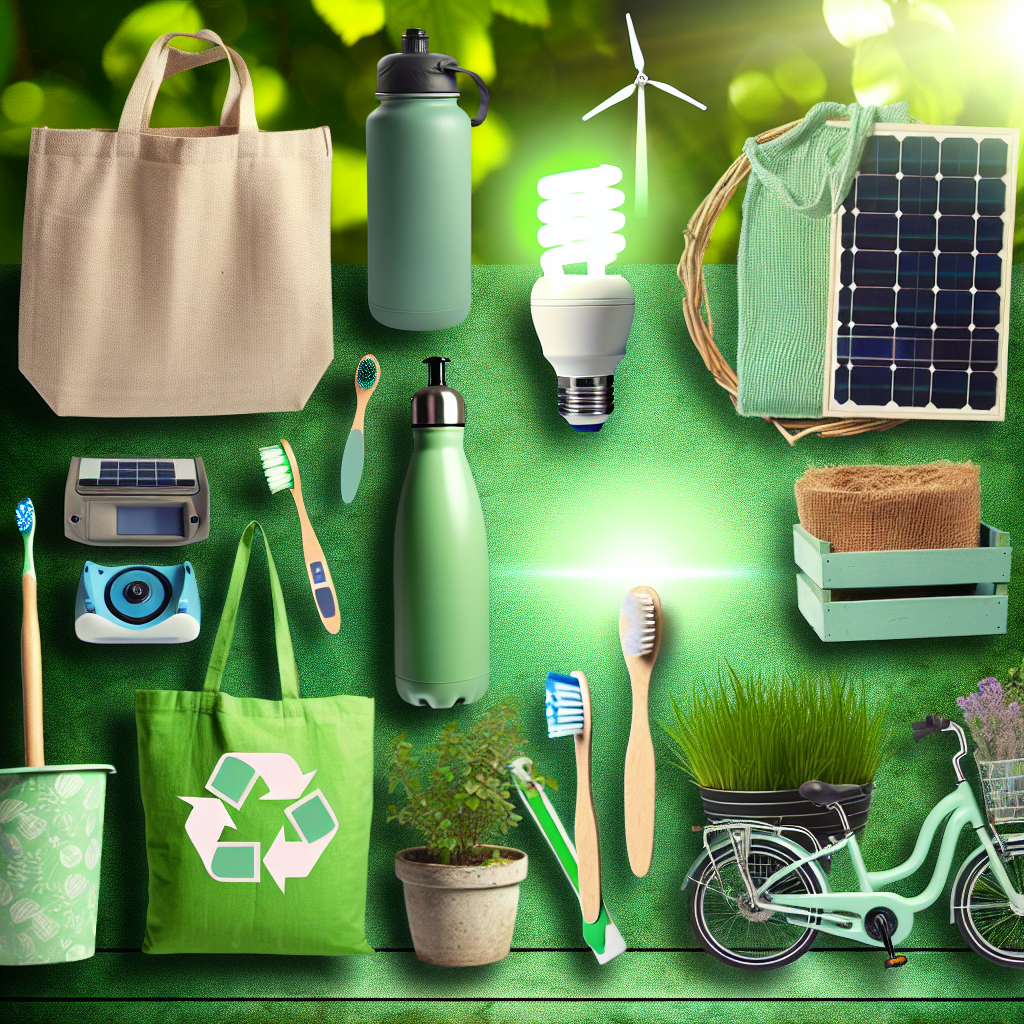
An “eco-friendly” label does not guarantee that a product is useful, durable, or cheaper over time. The best money-saving product is often something you already own. When a replacement is genuinely needed, the right question is not “Is this green?” but “Will I use it enough to replace repeated purchases or reduce an ongoing bill?”
This guide focuses on product categories with a clear job and a plausible payback. Prices, utilities, recycling options, and product quality vary, so compare the full cost in your household before buying.
Use this four-part test before buying
- Replacement: What recurring purchase or resource use will this replace?
- Payback: Purchase price divided by the saving per use gives a rough break-even point.
- Durability: Can it be repaired, cleaned, and used for years?
- Reality: Does it fit your routine, storage space, and local facilities?
Do not count a saving if the old item will still be purchased “just in case.”
1. A reusable water bottle you will carry
A washable bottle can replace purchased bottled water where tap water is safe. Reuse a bottle you already have first. If buying, choose a simple size that fits your bag and is easy to clean; complicated lids and awkward shapes often end up unused.
2. A travel mug for a routine you already have
A travel mug saves only if you fill it at home or receive a real shop discount. Check leak resistance, cleanability, and whether it fits your cup holder. One reliable mug is better than a cupboard of promotional cups.
3. Durable food containers
Containers protect leftovers, make lunches portable, and reduce wraps or disposable bags. Start with sound containers already in the kitchen. Replace cracked, warped, or difficult-to-clean pieces only as needed, and choose shapes that stack with lids attached or stored together.
4. Washable cleaning cloths
Cut worn cotton towels or shirts into cloths before buying a new set. Keep clean and used cloths in obvious places so the system is easier than reaching for paper. Use separate, hygienic cloths for food-contact and bathroom jobs.
5. A drying rack or clothesline
Air-drying suitable laundry can reduce dryer use and wear on clothing. Check ventilation, humidity, building rules, and available space. A folding rack bought used can offer the same benefit as a new one. Continue to maintain dryer vents and follow fabric-care directions.
6. LED bulbs—when existing bulbs fail
Replace failed bulbs in the most-used fixtures with LEDs of the correct base, brightness, colour temperature, and dimmer compatibility. There is rarely a reason to discard working efficient bulbs just to make every fixture match.
7. A switchable power strip for a real standby load
A power strip can make it convenient to turn off several entertainment or office devices together. It is not suitable for every appliance, and it will not help equipment that must remain powered. Measure or identify the load first and use a properly rated, certified product—never as a substitute for permanent wiring.
8. A low-flow showerhead that still performs well
A suitable showerhead can reduce both water and water-heating use. Check local water pressure, flow specifications, installation requirements, and return policy. Repair a leaking fixture first; a new showerhead will not fix a plumbing problem.
9. Basic repair and maintenance tools
A small kit—appropriate screwdrivers, pliers, a tape measure, sewing supplies, and a bicycle pump where relevant—can extend the life of household goods. Buy only for jobs you can perform safely. Borrow or rent specialist tools, and hire qualified help for electrical, gas, structural, or hazardous work.
10. A pressure cooker or slow cooker—only if it changes meals
These appliances can make beans, soups, grains, and inexpensive cuts easier to prepare, but they are not automatic savings. Check what you already cook, counter space, energy use, safety features, and second-hand condition. A pot you already use confidently may be the better choice.
Products that often fail the frugal test
- Coordinated “zero-waste starter kits” that duplicate items you own.
- Single-purpose gadgets used a few times.
- Bulk packages that spoil before they are finished.
- Connected devices with subscriptions, short support lives, or weak privacy controls.
- “Biodegradable” disposables when local facilities cannot process them.
- New storage containers purchased mainly for appearance.
For a room-by-room order of operations, see Simple Swaps for a Sustainable and Budget-Friendly Home. For food purchases, use the price and waste routine in How to Reduce Your Grocery Bill While Living Sustainably.
The 30-day purchase rule
Write down the product, the problem it solves, the recurring purchase it replaces, and the expected break-even point. Wait 30 days for non-urgent items. During that time, try borrowing, repairing, or using something already owned. If the need remains and the numbers still work, buy the simplest durable option.
Last reviewed: September 2026. Product safety, certifications, rebates, water quality, and local waste rules change; verify current local information before buying or installing.