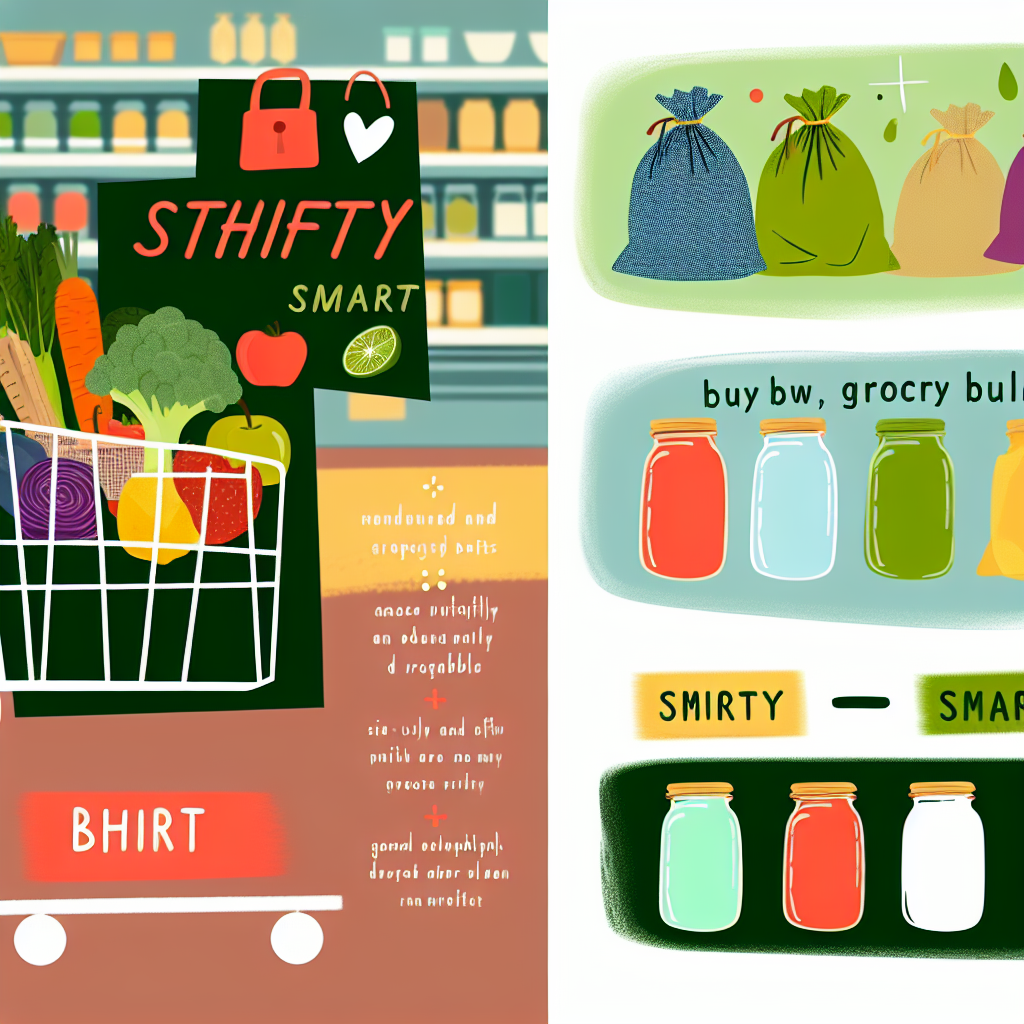
10 Smart Tricks to Cut Your Grocery Bill and Help the Planet
Introduction
Hello, smart shoppers and planet protectors! Welcome to the world where grocery bills are getting higher and higher. As food prices rise, we feel it in our wallets, and the Earth suffers from wasteful habits. But don’t worry! Here at Frugal Zeitgeist, our mission is to help you save money and be kind to the Earth. Our goal? To show you how to save cash while doing good for the environment. Ready? Let’s go!
Understanding the Cost & Environmental Impact of Groceries
Before we dive into the tricks, let’s talk about those grocery costs. On average, a family spends about $4,049 each year on groceries. That’s enough to make anyone say, “Wow!”
What about the environment? Regular grocery shopping harms the planet. Transporting goods releases a lot of pollution, and farming uses a lot of water and land. Not to mention all the plastic waste! But don’t worry, we have solutions for that too.
Hack #1: Meal Planning with a Green Twist
Say goodbye to waste! By planning your meals, you can save money and help the environment. Use seasonal and local produce to make sure your meals are fresh and green.
Tips:
- Be Versatile: Cook meals that let you use leftovers. Your roast veggies can turn into a veggie curry or a hearty salad!
- Batch Cooking: Make a big meal once, and freeze extra portions for later. Future you will be so grateful.
Hack #2: Buy in Bulk, Reduce Waste
Buying in bulk is great for your wallet and the planet! It reduces packaging waste and lowers the cost per item. Everyone wins!
Where to Shop:
- Eco-Friendly Bulk Stores: These shops focus on using less packaging.
- Cooperatives: They offer deals on bulk items and help build community.
Pro tip: Use glass jars or recycled containers to store your bulk items. It keeps your pantry neat and plastic-free.
Hack #3: Try More Plant-Based Meals
Eating less meat can save you money and help the Earth! Plant-based diets cost less and reduce your carbon footprint. (Go kale!)
Eco Benefits:
- Less Water Needed: Growing veggies uses less water than raising cows.
- Lower Emissions: Plants don’t produce methane like cows do.
Yummy Options:
- Chickpea Curry or Jackfruit Tacos are tasty and save you money over time.
Hack #4: Make It Yourself
Why buy it when you can make it? Homemade things are often cheaper and better for the environment.
DIY Ideas:
- Bread & Pasta: Make your own bread or pasta. It tastes better and feels rewarding!
- Snacks: Try making trail mix or kale chips—they’re easy and tasty.
Cleaning Solutions: Mix vinegar, water, and essential oils for a cleaner that’s good for the Earth.
Hack #5: Use Apps and Coupons Smartly
Have a smartphone? Great! You have a tool for saving money. Apps can show you where to find eco-friendly products and discounts.
Apps to Try:
- Too Good To Go: Buy extra food that would otherwise go to waste.
- Ibotta: Look for deals on eco-friendly items.
Find More Savings:
- Check Facebook groups and local spots for secret deals near you.
Hack #6: Use Reusable Shopping Essentials
Shop with style and save sea creatures! Reusable bags and containers are better than single-use items.
Steps to Zero-Waste Shopping:
- Get a Good Set: Reusable bags, jars, and wraps are great for the Earth and your budget.
- Make Your Own: Turn old clothes into shopping bags!
Hack #7: Start a Mini Garden
Grow your own plants! It’s cheaper than buying from stores and a fun hobby.
Starter Plants:
- Herbs: Basil, mint, and parsley grow quickly.
- Tomatoes and Peppers: They don’t need much room and give a lot of produce.
Urban Tips: Use windowsills and balconies to grow your plants.
Hack #8: Support Local Farmers and CSA Programs
Help local farms! Community Supported Agriculture (CSA) lets you get fresh food and help your community.
Benefits:
- Lower Costs: Buying directly from farms is cheaper.
- Greener: Less transport means fewer emissions.
Get Involved: Visit local farmers’ markets to find CSAs near you.
Hack #9: Understand Food Date Labels
Learn what those dates on food actually mean! Knowing this helps you stop throwing away good food.
Understanding Labels:
- “Sell by”: For stores, not for you.
- “Best before”: About flavor, not safety.
Use It Up: Use almost-expired ingredients in soups or smoothies.
Hack #10: Compost for Savings
Turn scraps into compost for your garden! Composting cuts waste and enriches soil.
Benefits:
- Save on Soil: Homemade compost is cheaper than store-bought soil.
- Good for the Earth: Less waste in landfills!
Start Composting: All you need is a bin and some yard waste to start.
Conclusion
And there you have it—ten smart tricks to cut your grocery bill and go green. Ready to start small? That’s great! We all begin somewhere. Try these tricks bit by bit and watch your savings and eco-friendliness grow.
Don’t stop here! Join our Frugal Zeitgeist community. Share your tips, stories, or ideas. We love hearing from smart shoppers like you!
Additional Resources
Let’s make “save money and save the Earth” our motto. Happy shopping and happy saving!