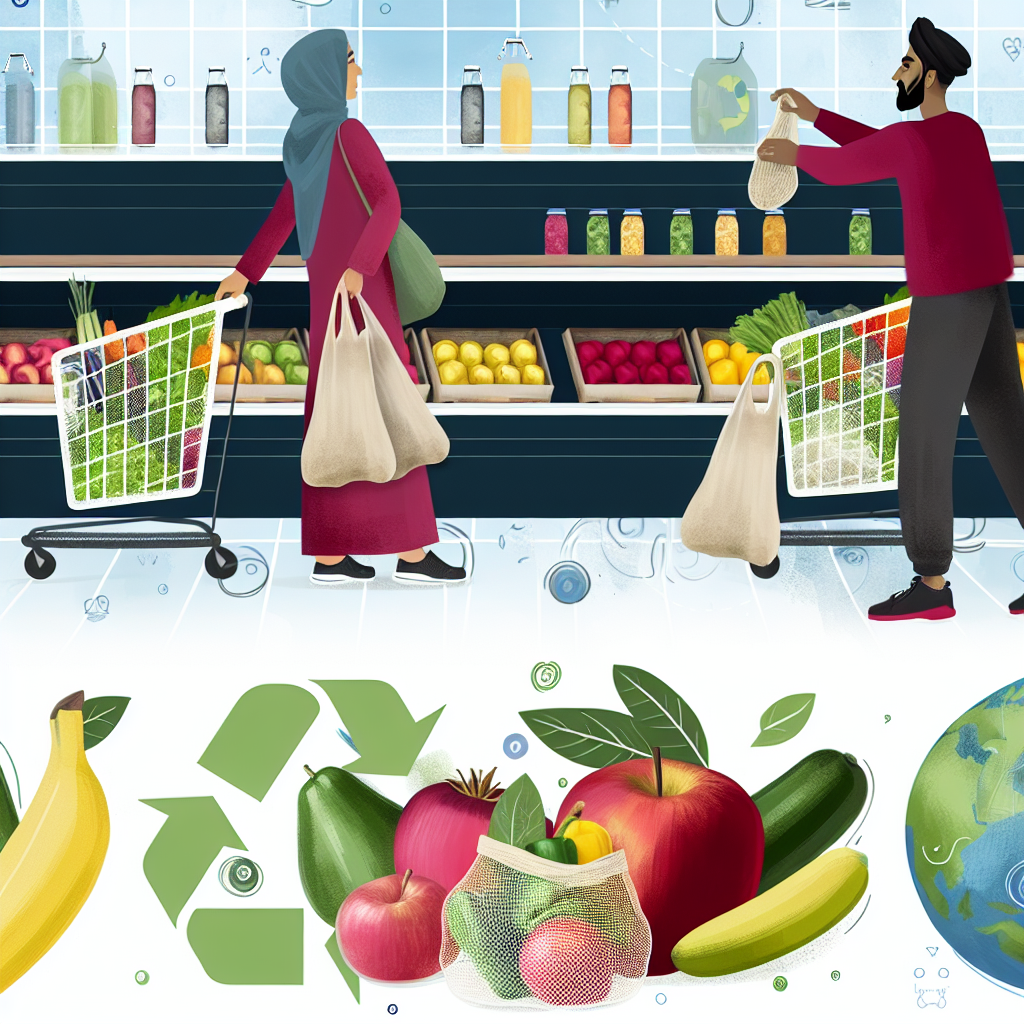
10 Easy Ways to Cut Your Grocery Bill While Going Zero-Waste
Introduction
Welcome to Frugal Zeitgeist! Our mission is to help you save money and protect the planet at the same time! Today, we’re talking about how you can be smart with your money while avoiding waste. Who wouldn’t love saving some cash and helping the Earth, too? With these simple tips, you’ll see that living a greener lifestyle doesn’t have to be expensive. It’s actually a chance to save more money and help out our beautiful planet. So, grab your reusable bag, and let’s get started!
Section 1: Understanding Zero-Waste Grocery Shopping
Zero-waste shopping is all about making less trash, especially with food packaging and waste. This means using less packaging and making sure food doesn’t end up in the landfill. Less waste means helping the environment and often saves you money. By using these zero-waste tips, many people find they use less overall, which means they spend less, too. It’s great: less trash in the bin and more money in your pocket!
Section 2: Plan Your Meals with Purpose
To start zero-waste grocery shopping, make a good plan. Planning your meals is a great way to make sure you only buy what you need. It helps you organize your meals for the week, so you don’t end up buying things that just sit in the fridge until they go bad. Plus, a meal plan guides you through the grocery store and helps you avoid impulse buys. Goodbye, last-minute frozen pizzas!
Section 3: Buy in Bulk
Buying in bulk is like being on your own shopping game show! It’s not just good for saving money; it’s also better for the environment. You use less packaging waste when you buy in bulk. Things like grains, nuts, and beans are great for buying in bulk and can be stored in nice containers. Remember to check expiration dates to keep food fresh longer.
Section 4: Embrace Reusables
Using reusables is a key step to shopping like a zero-waste pro. Important items include:
- Cloth Bags: These are the original reusable heroes.
- Glass Jars: Perfect for those fun bulk items.
- Reusable Produce Bags: Your apples will travel in style!
Using these durable items means you’ll have fewer single-use plastics going into the ocean. Over time, you’ll save money by not buying those flimsy plastic bags.
Section 5: DIY Pantry Staples
Put on an apron because it’s time for some DIY fun! Making your own pantry staples like bread, pasta, or sauces cuts down on packaging waste and saves you money. For example, homemade bread can cost less than half of store-bought bread. Plus, you can brag when someone likes your cooking. Try these easy recipes and watch the savings grow!
- Bread
- Pasta
- Tomato Sauce
Section 6: Shop Local and Seasonal
Shopping local and seasonal makes your food taste fresh and amazing. Buying local reduces the pollution from long-distance transport and often means cheaper, fresher produce. You’ll support local farmers and enjoy fresher food, all while shopping with the seasons.
Section 7: Utilize Food Scraps
Don’t toss your veggie scraps away. Instead, give them a second life by using them to make things like vegetable broth or homemade pectin from fruit scraps. If you can’t reuse them, composting is a great way to keep waste out of the trash bin.
Section 8: Grow Your Own
You don’t need a big garden to grow your own food. Even small home gardens can be rewarding. Start with easy-to-grow plants like herbs, tomatoes, or lettuce. With some care, you can make fewer trips to the store, and your garden will keep giving back.
Section 9: Reduce Processed Foods
Processed foods can take up a lot of space in your pantry and budget. Cutting down on them reduces costs and is better for your health and the environment. Try whole foods and consider making homemade versions of your favorite snacks. You might discover new flavors you love!
Section 10: Be Mindful of Expiration Dates
Understanding expiration dates helps keep your food fresh and your fridge organized. Learn the difference between “sell-by” and “use-by” dates. Rotating your groceries so older items are easier to see helps reduce food waste and save money.
Conclusion
By using zero-waste tips when grocery shopping, you’re living a greener life and saving money. Your bank account will thank you, and so will the Earth. It’s a fantastic journey that’s rewarding right away and in the future too. Ready to start? With your reusable bag in hand, try these strategies today!
Additional Resources
- Zero-Waste Shopping Guides
- Suggested Reading & Documentaries on Sustainable Living
- Join Online Communities for Tips and Recipes
Join us in making a future that’s bright, green, and kinder to your wallet. Happy saving and green living! 🌎💰