Author: forest.parks

  • 10 Genius Ways to Slash Your Grocery Bill While Going Green

    10 Genius Ways to Slash Your Grocery Bill While Going Green

    10 Smart Ways to Save Money on Groceries and Help the Earth

    Introduction

    Welcome to Frugal Zeitgeist! We love living big on a budget and making a positive impact on the world. Today, we’re talking about how to shop for groceries in a way that’s both friendly to the planet and your wallet. Did you know helping the environment can also save you money? Join us as we explore 10 smart ways to cut down your grocery bill while going green.

    1. Plan Your Meals

    Having a meal plan is like having a game plan for dinner. It helps you reduce food waste and save money. With a plan, you’ll spend less time staring at the fridge and more time enjoying dinner.

    • Make a Meal Plan: Pick a day to plan your meals using ingredients that can be used in different dishes.
    • Use Apps: Apps like Mealime or Paprika offer recipes and create grocery lists for you. It’s like magic!

    2. Shop with a List

    Shopping without a list can lead to buying things you don’t need. Using a list helps you stay focused and avoid impulse buys (goodbye, extra tubs of ice cream).

    • Effective Shopping List: Organize your list by store layout to make shopping easier.
    • List Apps: Apps like AnyList or Google Keep keep your list handy so you don’t forget important items—or worse, your pants.

    3. Buy in Bulk

    Buying in bulk is like hitting the jackpot (but with beans and oatmeal). It’s cheaper and cuts down on packaging waste.

    • Bulk Buys: Stock up on grains, pasta, and spices.
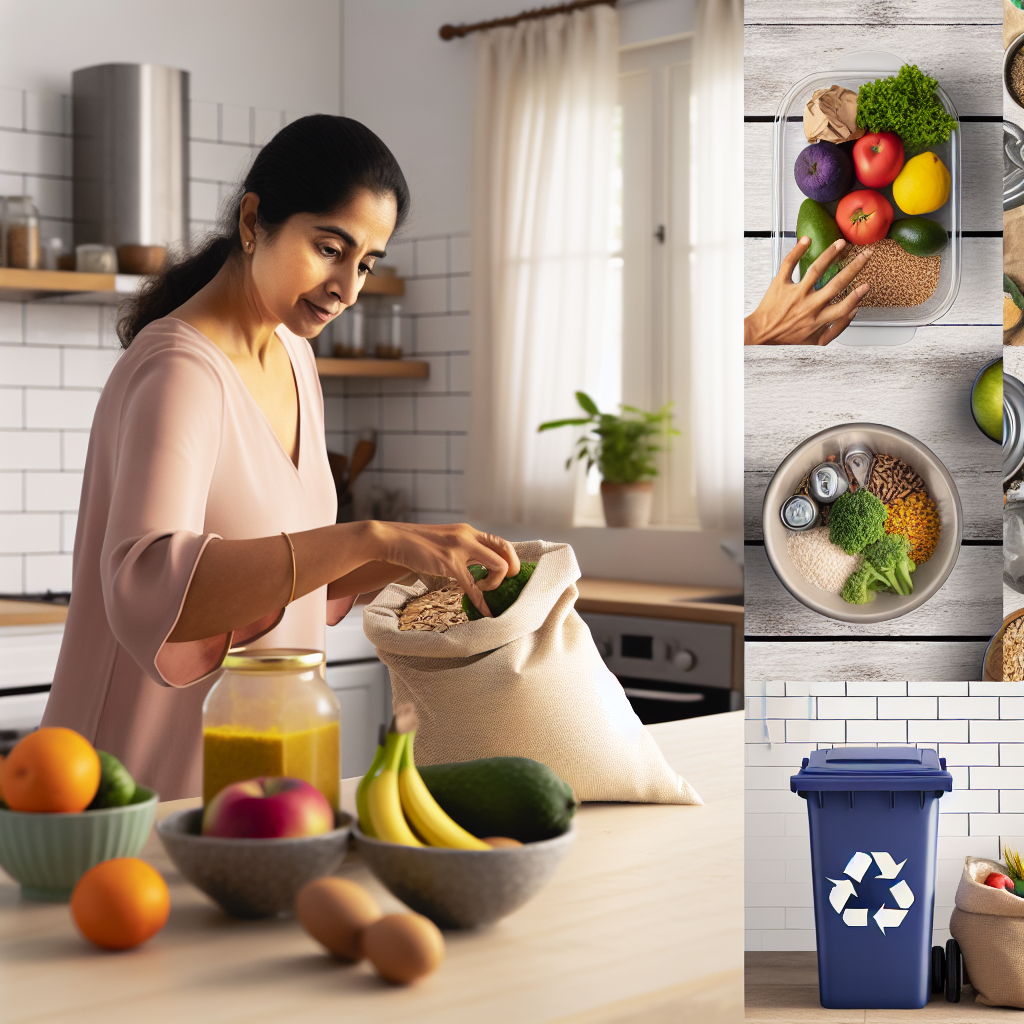
    • Store Smart: Keep bulk items in airtight containers to stay fresh longer. Soon, your pantry will look as cool as a trendy cafe.

    4. Choose Seasonal and Local Produce

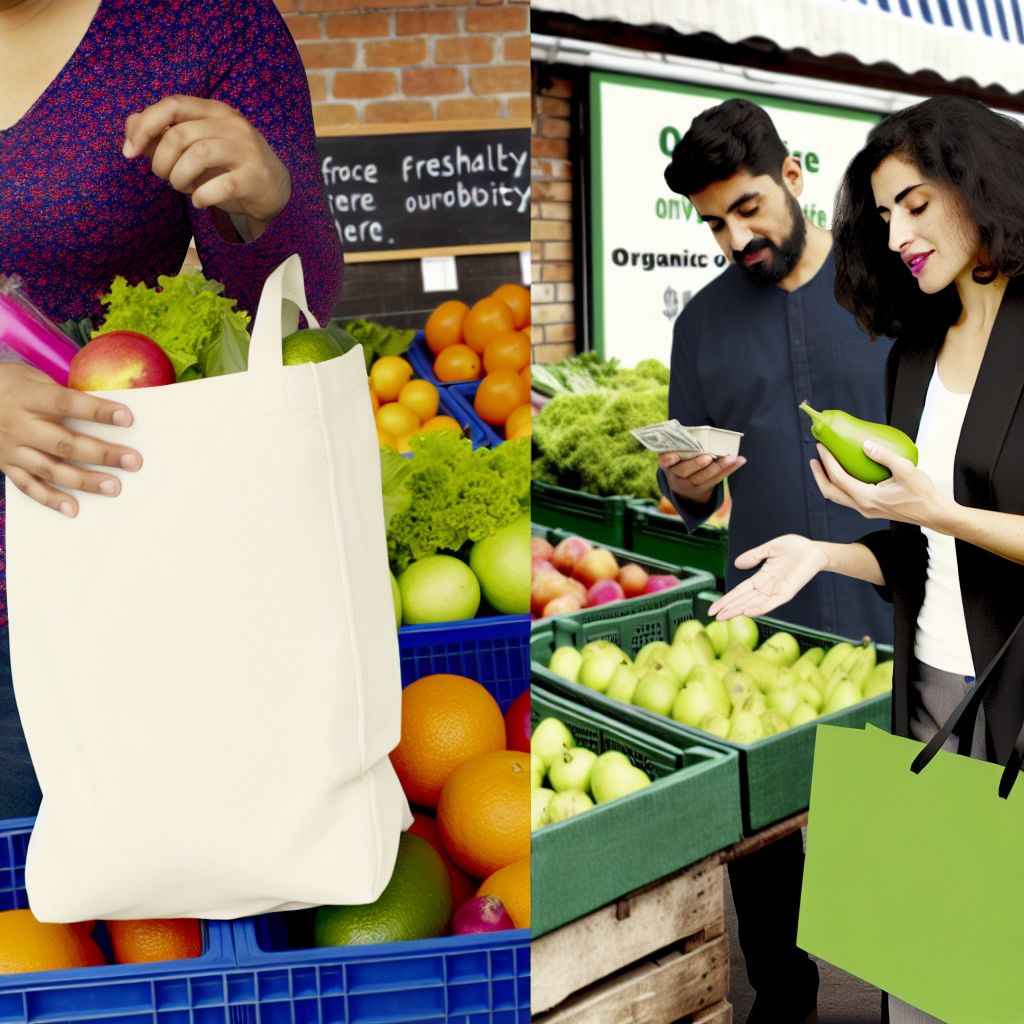
    Buying local produce is like giving a hug to both Mother Earth and your wallet. Local and seasonal foods are fresher, cheaper, and better for the environment.

    • Local Food Benefits: Fewer travel miles mean less carbon emissions and fresher produce.
    • Seasonal Chart: Use a seasonal produce chart to find the best buys.

    5. Use Reusable Bags and Containers

    Let’s leave behind single-use plastics and get used to the reusable way! It’s eco-friendly, and you’ll look super cool while shopping.

    • Get Reusable Gear: Invest in strong bags and containers that won’t break.
    • Keep Clean: Wash your bags and containers regularly to keep them in good shape and smelling fresh.

    6. Try Plant-Based Meals

    Eating more veggies isn’t just for hipsters. It’s a budget-friendly, eco-friendly choice for everyone. Less meat means fewer greenhouse gases and a lower grocery bill.

    • Yummy Plant Meals: Try Meatless Monday or plant-based dishes like chili or mushroom risotto.
    • Green Benefits: Eating less meat helps shrink your carbon footprint.

    7. Grow Your Own Herbs and Veggies

    You don’t need a green thumb to grow your own plants. Plus, it’s rewarding to eat something you grew yourself.

    • Start Small: Grow easy herbs like basil, mint, and parsley on a sunny windowsill.
    • Save Money: Growing foods at home lowers your grocery bills and makes your meals tastier.

    8. Use Food Scraps Creatively

    Before you toss out food scraps, think about how they can be reused. They might be just what you need for a new meal.

    • Repurpose Scraps: Make carrot top pesto, soup with wilted greens, or crispy potato peel snacks.
    • Compost: Don’t throw away scraps that can’t be reused—compost them to give nutrients back to the earth.

    9. Watch Expiry Dates

    Knowing what food labels mean helps you avoid food waste and unnecessary challenges like “use-it-all-up-before-it-spoils.”

    • Avoid Spoilage: Follow the FIFO rule—first in, first out—to use older items first.
    • Store Properly: Use the right bins and shelves to keep produce fresh.

    10. Join a Community Co-op or CSA

    Being part of a co-op or CSA makes you a food hero. You save money, support local farmers, and reduce the food’s travel impact.

    • How They Work: Members pay upfront for a share of the harvest and get regular deliveries of local food.
    • Find One Near You: Use websites like LocalHarvest.org to discover a CSA or co-op near you.

    Conclusion

    With these 10 smart strategies, you’ll save money on groceries and earn an eco-friendly badge of honor. Remember, small changes can lead to big differences for the planet. Next time you go shopping, try out just one—or all—of these tips. After all, who doesn’t love a life hack that saves both money and the earth?

    Additional Resources

    To continue your journey to sustainable living, here are some helpful links:

    Happy shopping, smart savers! 🌱💰

  • Top 10 Eco-Friendly Alternatives to Household Products That Save You Money

    Top 10 Eco-Friendly Alternatives to Household Products That Save You Money

    Top 10 Eco-Friendly Alternatives to Household Products That Save You Money

    Introduction

    Living in a way that’s good for the planet isn’t just a craze anymore; it’s important. With all the tough stuff happening to our planet, like climate change, we really need to start making choices that don’t harm the earth. And guess what? It can actually save us money! Here at Frugal Zeitgeist, we love helping you save your cash while also caring for the environment. So, grab your reusable cup of coffee, and let’s look at ten awesome eco-friendly household items that are great for both your wallet and our world.

    Why Choose Eco-Friendly Alternatives?

    Environmental Benefits

    When you pick eco-friendly products, it’s like giving the earth a big hug. By reducing waste, we keep those awful landfills from growing bigger. Plus, eco-friendly stuff helps make the air and water cleaner. Who doesn’t want a world where dolphins are happy and forests are green?

    Health Benefits

    Using natural cleaners instead of ones with lots of chemicals is good for our planet and your health too! It’s like turning your house into a safe space without any yucky chemicals that could harm you, your family, or Mr. Whiskers, the cat.

    Economic Advantages

    Here’s the cool part – being kind to the planet can also mean saving money! Eco-friendly products usually last longer and, even if they cost more at first, you save money later. Plus, you can tell your friends you use a super cool reusable razor that saves lots of money each year!

    Top 10 Eco-Friendly Household Alternatives

    1. Cleaning Supplies

    • Vinegar and Baking Soda: This is the ultimate cleaning team! They can scrub away messes, remove tough stains, and even unclog drains.
    • Castile Soap: This amazing soap can clean your floors, dishes, and even your pets (except maybe your goldfish).
    • Reusable Cleaning Cloths: Forget paper towels; save the trees! These cloths are great for cleaning and can be used again and again.

    2. Personal Care Products

    • Shampoo Bars and Solid Conditioners: Bye-bye to big plastic bottles; these bars last longer and smell amazing.
    • Homemade Natural Deodorants: Stay fresh with DIY deodorants made from coconut oil, baking soda, and essential oils. Your armpits will love it!
    • Reusable Razors with Replaceable Blades: No more disposable razors! Hello to a razor that could last forever!

    3. Kitchenware

    • Beeswax Wraps: Say goodbye to plastic wraps and try this reusable way to keep food fresh.
    • Stainless Steel or Glass Containers: These are a safe alternative to plastic and look super cool.
    • Cloth Produce Bags: No more plastic bags, please. Use cloth bags for your fruits and veggies at the farmers’ market.

    4. Laundry Solutions

    • Soap Nuts or Eco-Friendly Laundry Strips: These get your clothes clean without harsh chemicals.
    • Dryer Balls: These replace fabric softeners and help clothes dry faster, saving energy.
    • Line Drying: It saves energy and makes your clothes smell fresh!

    5. Home Fragrance

    • Essential Oil Diffusers: Make your home smell like a lavender field or citrus grove naturally.
    • Soy or Beeswax Candles: These are a better choice and make less soot than regular candles.
    • DIY Potpourri: Boil some cinnamon sticks, cloves, and orange peels for a holiday smell all year!

    6. Baby and Child Products

    • Reusable Cloth Diapers: They reduce waste a lot and have cute patterns.
    • Glass Baby Bottles: Safe, durable, and easy to clean.
    • Bamboo or Organic Cotton Clothing: They are gentle on the baby’s skin and grown without harmful stuff.

    7. Gardening Tools

    • Composting: Turn scraps into soil for your plants; it’s great for your garden.
    • Recycled Materials for Pots: Use tin cans or old teapots as plant holders.
    • Natural Pest Control: Use companion planting or homemade sprays to keep bugs away.

    8. Water Filtration

    • Faucet or Pitcher-Based Filters: Save money by not buying bottled water and take care of the earth.
    • Rain Barrels: Collect free water for your garden and cut down your water bill.
    • Low-Flow Fixtures: Use less water and save money on your water bill.

    9. Energy Consumption

    • LED Bulbs: They use less energy and last a lot longer.
    • Solar-Powered Chargers and Lights: Great for adventures or saving electricity at home.
    • Programmable Thermostats: Use heat and air smartly to save money.

    10. Personal Electronics

    • Rechargeable Batteries: Say no to single-use batteries; they’re bad for the planet.
    • Energy-Efficient Appliances: They’re more costly at first, but they save a lot on bills.
    • E-waste Recycling Programs: Recycle old electronics to keep harmful stuff out of dumps.

    Tips for Transitioning to Eco-Friendly Products

    • Start Small: Just change one thing at a time to make it easy.
    • Research and Reviews: Make sure the product is good by checking reviews.
    • Embrace DIY: You can make lots of eco-friendly things at home to save money.

    Conclusion

    Choosing eco-friendly products helps the planet and brings benefits like better health and saving money. At Frugal Zeitgeist, we urge you to start being greener today. Share your favorite eco-friendly products with us in the comments, and let’s inspire each other to make better choices. It’s not just about saving money or helping the environment; it’s about building a future where both can grow together happily. Let’s make the world better, one eco-friendly swap at a time!

  • 10 Simple Swaps to Cut Your Household Budget and Reduce Waste

    10 Simple Swaps to Cut Your Household Budget and Reduce Waste

    10 Easy Changes to Cut Your Household Budget and Reduce Waste

    Introduction

    Today, it’s super important to save money at home and create less waste. Doing these things helps both your wallet and the environment. It’s like giving a high-five to both your savings and the Earth! At Frugal Zeitgeist, we want to give you fun and exciting ways to live sustainably without breaking the bank. In this post, we’ll explore some easy changes you can make to save money and reduce waste at the same time. Let’s get started!

    1. Switch Disposable Items for Reusable Ones

    Disposable items are the villains of both our planet and budget. Using them a lot can cost you more money and make more trash. By using reusable items, you’ll save money and help the Earth!

    Examples of Reusable Swaps:

    1. Say goodbye to paper napkins and use cloth napkins. They’re classy and make every meal feel special.
    2. Use reusable shopping bags instead of plastic bags. They look cooler, are stronger, and save you from the embarrassing oops when a bag breaks.
    3. Trade plastic bottles for cool stainless steel or glass water bottles. They’ll keep you hydrated in style.
    4. Use sturdy, reusable food containers instead of plastic wrap. Your fridge will look tidy and organized!

    2. Use Energy-Efficient Products

    Your energy bills can often surprise you. But using energy-efficient products can mean more money in your pocket. Plus, it helps lower your carbon footprint, which is awesome.

    Energy-Efficient Ideas:

    1. Replace old bulbs with LED bulbs. They use less energy and give off more natural-looking light.
    2. Smart power strips help reduce energy that’s wasted when devices are plugged in but not used.
    3. Swap old appliances for energy-efficient ones. They might cost more first, but they’ll save money over time.

    3. Make Your Own Cleaning Solutions

    Store cleaners can be expensive and full of hard-to-say chemicals. But you can make strong cleaners at home, and it’s better for the environment because there’s less packaging waste.

    DIY Cleaning Ideas:

    1. Vinegar and baking soda are great at cleaning all sorts of messes.
    2. Mix vinegar and water for a good glass cleaner.
    3. Use lemon and salt to polish metals and clean surfaces. Plus, it smells great!

    4. Cut Down on Food Waste

    Wasting less food is good for your wallet and the planet. Planning and storing food well are the best ways to keep your kitchen efficient.

    Food Waste Tips:

    1. Plan meals carefully so you don’t buy too much.
    2. Store food properly to keep it fresh longer.
    3. Start composting food scraps to help your garden.

    5. Use Alternative Cleaning Cloths

    Paper towels seem innocent but are sneaky at wasting your money.

    Paper Towel Replacements:

    1. Use microfiber cloths for spills and dusting.
    2. Make rags from old t-shirts for cleaning.
    3. Bamboo towels are reusable and soak up spills well.

    6. Use Public or Active Transportation

    Public or active transportation not only saves you money but also reduces pollution. It’s a win all around!

    Transportation Ideas:

    1. Use buses or trains to save money on gas.
    2. Walk or bike for nearby trips. It helps you stay fit!
    3. Carpool with friends to save money and have fun rides.

    7. Try Second-Hand Shopping

    Second-hand shopping is great for unique finds at less cost. Plus, it supports sustainability!

    Second-Hand Shopping Tips:

    1. Check out thrift stores for clothes and stuff. You might find something amazing!
    2. Look online for used furniture and electronics.
    3. Join swap meets for a friendly way to shop.

    8. Go Digital Over Physical

    Going digital saves space and money while being eco-friendly.

    Digital Swaps:

    1. Read e-books instead of paper books.
    2. Subscribe to streaming services for music and movies.
    3. Choose digital bills to cut down on paper use.

    Conclusion

    Making easy changes like these can help you save money and live more sustainably. Even small changes can make you a hero for the environment. So let’s be smart, save money, and help the Earth, one swap at a time. Join us at Frugal Zeitgeist in living smarter and more sustainably!

  • 10 Simple Swaps for an Eco-Friendly Kitchen that Save You Money

    10 Simple Swaps for an Eco-Friendly Kitchen that Save You Money

    10 Easy Changes for an Eco-Friendly Kitchen That Save You Money

    Introduction

    Welcome to Frugal Zeitgeist, where being good to the Earth doesn’t mean spending a lot of money. Have you ever thought about how your kitchen affects the environment? It might be full of yummy treats, but traditional kitchens use a lot of energy and create a lot of waste. But don’t worry! We have 10 super simple changes that will make your kitchen kind to the planet and save you money. Get ready for a thumbs-up from your wallet and a high-five from Mother Earth!

    1. Reusable Kitchen Towels Instead of Paper Towels

    We’ve all wasted paper towels, right? Switching to cloth towels saves trees and money. Imagine if you spend $15-$20 on paper towels every month. A set of reusable towels, costing about $15, could last for years if you take care of them. You can find them at Walmart or online at places like Amazon.

    2. Glass or Stainless Steel Containers Instead of Plastic

    Plastic was cool last decade! Switch to glass or stainless steel containers. They don’t absorb food odors or chemicals. It might cost $30 for a basic set, but they last a lot longer than plastic ones. Look for brands like Pyrex and Anchor Hocking at stores like Target or online.

    3. Buying in Bulk to Reduce Packaging Waste

    Buying in bulk is great because it cuts down on packaging and usually costs less per item. You can buy things like grains, nuts, and spices in large amounts. Store them in glass jars or big airtight containers. Shop at Costco, Sam’s Club, or local bulk food stores.

    4. DIY Cleaning Products

    Why spend extra on cleaning products? Make your own! They’re free of harsh chemicals and save money. Here are three easy recipes:

    1. All-Purpose Cleaner: Mix equal parts white vinegar and water. Add essential oils for smell if you want.
    2. Window Cleaner: Combine 2 cups of water, 1/4 cup white vinegar, and 1/2 teaspoon dish soap.
    3. Antibacterial Cleaner: Mix one part rubbing alcohol with one part water and a few drops of tea tree oil.

    This way, you save money and keep your home healthy.

    5. Energy-Efficient Appliances

    Shopping for appliances might seem boring, but it’s like a treasure hunt! Appliances with the Energy Star logo use less power, which means lower energy bills. Next time you need a fridge or dishwasher, spend a bit more upfront to save a lot later. Find these at places like Best Buy or Home Depot.

    6. Composting Kitchen Waste

    Composting doesn’t have to be a big science project. It reduces landfill waste and turns scraps into garden gold. Start a small compost bin in your backyard. Your garden will love it, and you’ll save on fertilizers.

    7. Reusable Produce Bags

    Plastic produce bags are bad for the planet. Use cotton or mesh reusable bags instead. They look nice at the farmer’s market too. Spend $10-$20 on some reusable bags and keep hundreds of plastic ones out of oceans. This helps sea turtles and your wallet!

    8. Curtains/Window Treatments for Temperature Control

    Does your kitchen feel freezing in winter and boiling in summer? Curtains can help stabilize the temperature and reduce the need for heating or cooling. Choose sustainable materials like bamboo or hemp. Check out stores like Ikea or Bed Bath & Beyond.

    9. Induction Cooktops

    Induction cooktops are fast and energy-efficient. They heat pans directly using magnets. They might cost more at first, but the electricity savings are worth it. Look for them at Lowe’s, Home Depot, or appliance websites.

    10. Upcycled or Second-Hand Kitchen Items

    Why buy new when second-hand items can be awesome and Earth-friendly? Look for upcycled or second-hand kitchen items at thrift stores, garage sales, or online markets like Craigslist. Things like cast iron skillets add character to your kitchen.

    Conclusion

    And there you have it—10 simple swaps with a big impact! You don’t have to change everything overnight. Start with one swap at a time and watch your kitchen become a green dream. Add your personal touch and make your kitchen reflect your unique style!

    Call to Action

    Feeling inspired? Share your eco-friendly kitchen ideas with us on social media using #FrugalKitchenMakeover. Share this post with friends who want a planet-friendly home. For more tips on frugal and eco-conscious living, check out our other posts. Let’s keep being green and thrifty together! 🌿

  • 10 Creative Ways to Cut Your Grocery Bill While Going Zero Waste

    10 Creative Ways to Cut Your Grocery Bill While Going Zero Waste

    10 Creative Ways to Cut Your Grocery Bill While Going Zero Waste

    Introduction

    Welcome to Frugal Zeitgeist! We’re here to show you that living eco-friendly doesn’t have to cost more money. Today, we’re sharing tips on how to save on groceries while living a zero waste lifestyle. It might seem tricky—saving money while also helping the environment—but with the right tricks, you can ditch waste without spending too much. Are you ready to become a zero waste hero? Let’s dive in!

    Understanding Zero Waste

    First, let’s understand what zero waste means. It’s not about creating zero trash but about reusing resources as much as possible. Think of it like being a superhero for the trash can, saving the planet one reusable bag at a time! Besides being good for the earth, zero waste can save you money. By buying durable goods and using resources smartly, you can spend less over time.

    And don’t believe the myth that zero waste is expensive. It’s about making better choices, which often cost less in the long run—like switching from bottled water to a cool reusable bottle.

    Check Your Inventory and Plan Meals

    Before shopping, play detective and check what’s already in your fridge. Knowing what you have stops you from buying the fifth jar of peanut butter that you don’t need.

    Meal planning is key. It avoids the “what’s for dinner” panic and keeps you from splurging on unnecessary items. Here’s how to start:

    1. List meals for the week using what you already have.
    2. Plan meals that use similar ingredients to avoid waste.
    3. Be flexible and use leftovers!

    Buy in Bulk and Skip Packaging

    Buying in bulk is good for both your wallet and the planet. It cuts down packaging waste and usually lowers the cost per item. Look for local markets with bulk sections. Here’s how to make bulk shopping work:

    • Find stores nearby with bulk sections.
    • Bring your own containers to reduce plastic use.
    • Store items in labeled jars at home so they’re easy to find.

    Choose Seasonal and Local Produce

    Seasonal produce tastes better and costs less because it didn’t travel far to reach you. Plus, buying local helps the community continue to thrive.

    To find seasonal and local produce, try:

    • Visiting local farmers’ markets for fresh deals.
    • Joining CSA programs for regular produce boxes.
    • Checking the seasonal section at your grocery store—it’s often on sale.

    Use Reusable Bags, Jars, and Containers

    Say goodbye to single-use plastic and hello to your new, sturdy friends! While there’s an initial cost, you save money over time. Here’s how to stay prepared:

    • Keep cloth bags in your car or near the door.
    • Invest in versatile containers like jars and beeswax wraps.
    • Attach a reminder note to your grocery list to not forget them.

    Start a Herb and Vegetable Garden

    Even if you’re not a gardening expert, you can start a mini garden. It reduces grocery trips and cuts down on packaging waste, and you’ll love eating food you’ve grown yourself.

    Start with these easy-to-grow plants:

    • Basil, mint, and parsley for fresh herbs anytime.
    • Cherry tomatoes that thrive in small spaces.
    • Lettuce and greens for quick salads.

    If you live in an apartment, try vertical gardening or window boxes to save space.

    Learn to Preserve and Store Food

    Preserving food makes groceries last longer, saving waste and money. Here are some methods:

    • Can sauces and jams for later use.
    • Freeze almost anything, from fruits to leftovers.
    • Ferment a few ingredients to make healthy foods.

    Look at resources like the National Center for Home Food Preservation for help.

    Cook from Scratch and Skip Processed Foods

    Pre-packaged foods cost more and have lots of packaging waste. Cooking from scratch saves money and improves health. Start with simple recipes using whole foods, like:

    • Hearty soups with leftover veggies.
    • Bread made from basic ingredients.
    • Flavorful stews cooked in bulk for future meals.

    Batch cooking helps stretch groceries over many meals.

    Use Leftovers Creatively

    Turning leftovers into new meals reduces waste and keeps things exciting. Here’s how to make yesterday’s dinner new:

    • Make a sandwich with leftover roast.
    • Turn rice into a stir-fry.
    • Use leftovers in soup to clear the fridge.

    Challenge yourself to keep leftovers to a minimum by trying new recipes!

    Join Food Sharing or Co-Op Programs

    Joining food sharing or cooperative buying groups means pooling resources and buying in bulk for less. Here’s how to connect:

    • Check online forums or social media.
    • Look for food co-ops nearby.
    • Host a community food swap to share what you have.

    Make a Compost Bin

    Composting turns food scraps into gold for your garden. Here’s how to start:

    • Buy or make a compost bin for your kitchen or yard.
    • Toss in fruit scraps, coffee grounds, and eggshells.
    • Use the compost to help your garden grow.

    Conclusion

    There you go, savvy savers! These strategies will help you cut costs while reducing waste. Try a few of these tips and watch your grocery bill and trash pile shrink. Here at Frugal Zeitgeist, we’re happy to support your journey to smarter, greener living.

    Additional Resources

    For more on low-impact living, check out:

    • Books: “Zero Waste Home” by Bea Johnson
    • Websites: Zero Waste Bloggers Network
    • Documentaries: “The True Cost”

    Join local zero waste communities to share tips and celebrate your kitchen victories!

  • 10 Surprising Ways to Slash Your Grocery Bill While Going Green

    10 Surprising Ways to Slash Your Grocery Bill While Going Green

    10 Surprising Ways to Save Money on Groceries and Go Green

    Introduction

    Hey there, money savers and planet protectors! Welcome to a great post from your friendly Frugal Zeitgeist, where saving cash and the Earth go together. With prices going up, groceries seem to be costing more than you’d like (or more than your new chihuahua eats—yikes). But don’t worry! You don’t have to spend a lot to shop in an eco-friendly way. Let’s explore how you can cut costs, reduce waste, and eat well without breaking the bank. Let’s get started!

    Section 1: Understanding the Benefits

    Here’s why green shopping is the best choice:

    1. Save Money: Make your wallet happy! Green shopping can save money by using long-lasting ingredients and avoiding pricey processed foods.

    2. Help the Environment: Give a big cheer for Earth! Shopping sustainably means lessening your carbon footprint and waste. Less plastic packaging and fewer emissions mean your shopping can save the planet!

    3. Stay Healthy: Eating organic and less processed foods isn’t just a trend; it’s a lifestyle that can make you healthier and help save on doctor bills. A win for everyone!

    Section 2: Strategic Planning

    Saving money and the planet takes a bit of planning. Here’s how:

    • Seasonal and Local Produce: Notice how fruits and veggies go on sale sometimes? That’s because they’re in season! Eating local and seasonal produce lowers costs, helps farmers, and reduces shipping.

    • Grocery Apps: Use apps to find deals like a savvy shopper! They compare prices so you don’t wander the aisles without a plan.

    • Shopping Lists: A list scares away impulse buys. Stick to it, avoid extras, and enjoy the satisfaction of smart shopping.

    Section 3: Embrace Plant-Based Options

    Choose plant-based foods to be eco-friendly:

    • Eat Less Meat: Try Meatless Mondays (or any day), and your wallet and the Earth will thank you.

    • Easy Plant-Based Recipes: You don’t need fancy cooking skills to make kidney bean chili or lentil Bolognese. They’re delicious, cheap, and don’t need meat!

    • Buy Grains and Beans in Bulk: Save money by buying grains and beans in bulk. They’re filling, healthy, and cost-effective!

    Section 4: Bulk is Better

    Want to lower your grocery bill? Buy in bulk!

    • Non-Perishables: Stock up on things like pasta, rice, and flour. They last a long time and you won’t have to throw them out like spoiling broccoli.

    • Bring Your Own Containers: Use your own jars or bags to cut packaging waste and maybe get a store discount.

    • Join a Co-op: Co-ops offer great deals and some deliver to your door. Teamwork makes dreams work!

    Section 5: Be Friendlier with the Freezer

    Don’t let fresh food go bad! Use the freezer:

    • Freeze Fruits and Veggies: Got fresh strawberries or lots of zucchini? Freeze them for tasty treats out of season.

    • Store Leftovers Properly: Keep leftovers fresh longer and reduce waste.

    • Cook in Batches: Love lasagna? Make 10 servings at once and freeze for future meals.

    Section 6: Homemade Beats Store-Bought

    Making things yourself is fun and saves money:

    • DIY Cooking: Try baking bread, making sauces, and preparing snacks at home. It’s cheaper, healthier, and sometimes a dance party in the kitchen!

    • Save Money: Invest in basic ingredients, skip the fancy packaging, and enjoy the savings.

    • Homemade Cleaning Products: Vinegar and baking soda are amazing. Clean home, full wallet!

    Section 7: Choose Reusable Over Disposable

    Use reusable products to save money and help the Earth:

    • Reusable Bags and Wraps: Swap single-use items for eco-friendly ones. Beeswax wraps keep food fresh without plastic.

    • Quality Containers: Use stainless steel or glass; your food and the planet will thank you.

    • Reduce Waste: Less packaging means fewer landfills and more cash saved. Simple!

    Section 8: Grow Your Own Greens

    Create a green corner at your home:

    • Home or Herb Gardens: Whether on a sunny windowsill or balcony, growing your greens is fun and cheap.

    • Small Space Gardening: Not much space? No problem! Use vertical gardens or window boxes.

    • Save Money: Fresh herbs and veggies without high prices—#HomegrownHero.

    Section 9: Master the Art of Preservation

    Don’t worry when veggies look sad. Preserve them!

    • Canning and Pickling: Try canning and pickling to keep produce longer.

    • Use Imperfect Produce: Those funny-looking fruits and veggies are great for preserves or soups.

    • Beginner Guides: Check out guides and tutorials online and dive in!

    Section 10: Smarter Snacking Habits

    Snack wisely and enjoy tasty treats:

    • Whole Foods Over Processed Snacks: They cost less, are more nutritious, and very yummy.

    • Healthy Homemade Snacks: Make granola or popcorn at home to save money and reduce packaging.

    • Mindful Snacking: Eat when hungry, not bored, and save money!

    Conclusion

    There you go, eco-warriors and budget heroes! By using some of these strategies, you can save money and help the Earth. Start with a tip or two, and keep going from there. You’ve got this! Share your experiences and ideas with our green community—we’re all in this together. 🌍💚

  • 10 Creative Ways to Reduce Your Monthly Grocery Bill While Going Green

    10 Creative Ways to Reduce Your Monthly Grocery Bill While Going Green

    10 Fun Ways to Cut Down Your Grocery Bill and Help the Earth

    Introduction

    Welcome to Frugal Zeitgeist! We’re all about living big on a small budget and making Mother Earth happy. Are your grocery bills too high? Do you want to make better choices for the planet? You’re at the right place! Traditional grocery shopping might be easy, but it can be hard on your wallet and our planet. Today, we’ll show you how to save money on groceries while being kind to the Earth. Sounds awesome, right? Let’s start!

    1. Plan and Prioritize

    Meal Planning: Do you ever walk around the grocery store without a plan? It’s time to stop! Meal planning is your new best friend. It helps you avoid buying things you don’t need and makes sure everything you buy gets used.

    Grocery List: Once you have a meal plan, make a grocery list. Here’s a tip: stick to it just like glitter sticks to a craft project. Don’t go into aisles with things not on your list. Your wallet will thank you!

    Buy in Bulk: This doesn’t mean buying giant jars of peanut butter (unless you want to!). Buying things like grains and beans in bulk is cheaper and better for the planet.

    2. Try Plant-Based Eating

    Meatless Mondays: Start your week by skipping meat. Just one day of plant-based meals can save money and help the Earth.

    Bulk Legumes and Grains: Foods like chickpeas, lentils, and rice are cheap, nutritious, and filling.

    DIY Plant-Based Meals: Make your own yummy plant-based meals at home. It’s cheaper and more fun than buying ready-made vegan products.

    3. Shop Local and Seasonal

    Visit Farmers Markets: Farmers markets let you buy fresh food and support local farmers. Seasonal produce is often cheaper and tastes better.

    Seasonal Produce: Fruits and veggies in season are cheaper and tastier. Say goodbye to bland, out-of-season tomatoes!

    Community Supported Agriculture (CSA): Join a CSA to get fresh farm produce regularly. It can save money and support local farms.

    4. Reduce, Reuse, Recycle in Shopping

    Bring Your Own Bags: Use your own bags at the store. This reduces plastic waste and some stores give discounts for using your bags!

    Buy in Bulk Using Refill Stations: Refill stations help you buy only what you need without extra packaging, which saves money.

    Choose Minimal Packaging: Pick products with little packaging. Less waste is better for the planet and gives you more pantry space.

    5. Use Food Waste Wisely

    Composting: Turn food scraps into compost for your garden. It’s good for the planet and helps plants grow.

    Creative Leftover Recipes: Use leftovers to make new meals. Leftover pasta can become a delicious frittata and extra rice can turn into tasty fried rice!

    Fruit and Vegetable Scraps: Use scraps to make stocks or compost them. Even banana peels can help as plant fertilizer.

    6. Grow Your Own Food

    Container Gardening: Start with a small herb garden. Imagine picking fresh basil right at home!

    Community Gardens: Join a community garden to grow veggies and meet your neighbors.

    Regrowing Kitchen Scraps: Some veggies, like green onions, lettuce, and celery, can grow back from scraps.

    7. Use Coupons and Discounts

    Digital Coupons and Apps: Use apps and digital coupons to save money. Your smartphone can help you find deals!

    Bulk Buying/Frequent Shopper Rewards: Join store programs for extra discounts. Saving money can be fun!

    Store Brands: Don’t be afraid of store brands. They’re usually as good as name brands and cost less.

    8. Make and Fix Things at Home

    DIY Cleaning Supplies: Make your own cleaning supplies. They’re easy, cheap, and environmentally friendly.

    Repurpose Leftover Ingredients: Use old blueberries for jam or stale bread for croutons.

    Food Preservation Methods: Canning, fermenting, and freezing extend food life and save money.

    9. Energy and Environmentally Conscious Appliances

    Energy-Efficient Appliances: These appliances cost more upfront but save money over time with lower energy bills.

    Proper Storage Techniques: Store food properly to make it last longer. Your fridge’s humidity setting can help keep things fresh.

    These creative tips will help you save on groceries and live a sustainable lifestyle. Grab your reusable bag, visit the farmers market, and start growing food at home. Come back to Frugal Zeitgeist for more budget-friendly and eco-friendly ideas!

    Go on, save money, help the planet, and always keep it frugal and fabulous!

  • 10 Genius Ways to Slash Your Grocery Bill While Going Green

    10 Genius Ways to Slash Your Grocery Bill While Going Green

    Blog Post: 10 Genius Ways to Cut Your Grocery Bill and Go Green

    Introduction

    Welcome to the Frugal Zeitgeist! Today, we’re talking about how to save money on groceries while also helping our planet. That’s right, you can lower your grocery bill and be kind to Mother Earth. Are you ready to save money by going green? Let’s jump in!

    1. Plan Your Meals

    Meal planning is like having a superpower! It helps you spend less money and waste less food. Here’s how:

    • Seasonal and Local Produce: Choose fruits and veggies that are in season and grown nearby. They’re cheaper, fresher, and better for the Earth.
    • Meal Planning Apps: Use apps like Mealime or Paprika to plan meals and make shopping lists easily.

    2. Shop with a List

    Going to the store without a list is like being a kid in a candy shop—it’s hard to resist buying extra things! Make a list to stick to just what you need.

    • Making a List: Start with a basic list and change it each week based on your meal plan. Add stuff you’ve run out of and stick to the list!
    • Helpful Apps: Apps like AnyList or Wunderlist can help you keep your shopping list organized.

    3. Buy in Bulk

    Buying in bulk is like fighting high prices with a super kick! It’s cheaper and uses less packaging. Here’s how to make it work:

    • Good Things to Buy in Bulk: Grains, nuts, seeds, and things like detergent. They last long and are often cheaper.
    • Zero-Waste Stores: Look for stores that let you bring your containers to skip extra packaging.

    4. Use Reusable Bags and Containers

    Say goodbye to piles of plastic bags! Reusable bags and containers are great for the planet and can be part of your new routine.

    • Kinds of Reusables: Get strong canvas totes, mesh bags for produce, and glass or steel containers.
    • Remember Your Reusables: Keep your bags in the car or by the door. Write “bags!” at the top of your list to remember them.

    5. Grow Your Own Herbs and Vegetables

    Feel like a mini farmer by growing your own herbs and veggies! This can save money and make your meals taste better.

    • Beginner-Friendly Plants: Start with herbs like basil or mint, or try easy veggies like lettuce and spinach.
    • Urban Gardening: Use window boxes or containers on balconies to grow plants, even if you don’t have much space.

    6. Embrace Plant-Based Proteins

    Try eating more plant-based proteins and watch your grocery bill go down!

    • Affordable Plant-Based Choices: Lentils, beans, chickpeas, and tofu cost less than meat.
    • Yummy Recipes: Try recipes like chickpea curry or lentil tacos for tasty and cheap meals.

    7. Reduce Pre-Packaged and Processed Foods

    Pre-packaged foods can be pricey and create more waste. Choosing fresh foods can save you money and reduce trash.

    • Costs of Packaging: Pre-packaged fruit costs more than buying whole fruit and cutting it yourself.
    • Cook from Scratch: Make things like tomato sauce or granola at home to save money.

    8. Utilize Leftovers Creatively

    Get creative with leftovers! Bring them back to life in new dishes.

    • Store Leftovers Well: Use clear containers so you can see what you have and don’t waste food.
    • Leftover Ideas: Use roast chicken to make chicken salad or turn last night’s rice into a stir-fry.

    9. Choose Local and Organic Wisely

    Buying organic and local can be smart if you know when to do it.

    • Organic Tips: Buy organic for fruits and veggies that usually have the most pesticides.
    • Support Local Markets: Farmers markets often have good prices, and buying local helps your community.

    10. Keep Track of Your Spending

    Watching where your money goes can help you shop smarter.

    • Budget Apps: Apps like Mint or Goodbudget can help you see your spending habits.
    • Look at Your Spending: Check your monthly spending to find areas to save more.

    Conclusion

    There you have it—10 smart ways to cut your grocery costs while helping our planet. Try these tips, and you’re not just saving money—you’re making a big difference. Share how these tips worked for you or your own money-saving ideas in the comments! Let’s keep living smart and green—cheers to that!

  • 10 Creative Ways to Cut Your Grocery Budget While Going Green

    10 Creative Ways to Cut Your Grocery Budget While Going Green

    10 Creative Ways to Cut Your Grocery Budget While Going Green

    Introduction

    Hi there, fellow savings fans and planet protectors! Welcome back to Frugal Zeitgeist, your go-to guide for living cheap and eco-friendly. If your wallet feels lighter after grocery shopping, you’re not alone. Grocery prices are climbing like an annoying mosquito in the summer, and with everyone wanting to go green these days, it’s time to join these goals: save money and help the Earth. Today, we’re diving into 10 creative ways to lower your food bills while keeping our planet happy. Ready to save some green and be green? Let’s get started!

    1. Plan Your Meals Well

    First, let’s talk about planning meals. Think of it as your grocery store map, helping you avoid extra trips or impulse buys. By planning your meals for the week, you’re less likely to buy things that end up rotting in the fridge. Plus, planning means buying only what you need, so there’s less waste. It’s a win-win!

    Need help planning? Apps like Mealime, Yummly, and Paprika make it easy, and they can even help you choose meals based on what you have at home. Happy eating and saving!

    2. Buy in Bulk

    Buying in bulk is like the gift that keeps giving—less packaging waste, cheaper per unit, and fewer trips to the store. Some great items to buy in bulk are grains, pasta, nuts, and beans. But be careful—not to let that bulk go bad. Use airtight containers or jars you already have to keep things fresh. Bulk shopping is awesome when done right!

    3. Use Reusables

    Time to say goodbye to disposables and hello to reusables. Swap those one-time plastic bags for strong canvas bags and use mesh bags instead of throwaway produce bags. Even though reusables cost a bit more up front, they last longer and help cut down on waste. High five to you, and high five to the planet!

    4. Start a Garden at Home

    Whether you’re just starting or not, having a home garden is easier than you think. Even a windowsill or balcony can be the perfect spot for herbs like basil, mint, or parsley. Once you’re comfortable, try growing veggies like tomatoes or peppers. Over time, you’ll have fresh ingredients for your meals, meaning fewer trips to the store and more savings on emissions. It’s like eating your way to savings!

    5. Buy Local Food

    Support your nearby farmers and enjoy fresher, tastier produce by shopping local when you can. Farmers’ markets and food co-ops are great for seasonal foods. Buying local means fewer emissions due to less transport. Not sure what’s in season? A quick search online will help, or ask a farmer. They might even give you some tasty recipes!

    6. Try Zero Waste Shopping

    Join the zero waste movement by changing how you shop. Bring your own containers for bulk items and say no to extra plastic. Zero waste is good for the Earth and your wallet because less packaging usually means lower costs. And who doesn’t want to be admired as the eco-friendly shopper?

    7. Make Your Own Cleaning Products

    Your pantry can be your DIY cleaning supplies aisle! Items like vinegar and baking soda make great, cheap cleaners. Try mixing vinegar and water for a super cleaner. This way, you skip harsh chemicals found in regular cleaners and save money. DIY can cut cleaning costs by half or more. Plus, fewer plastic bottles mean more space for cookies.

    8. Try Plant-Based Meals

    Eating more plant-based meals is getting popular, and it’s easier on the wallet. Meat is tasty but often the most expensive grocery item. Swap some meals with plant-based foods like lentil stews or chickpea curries and see the savings. Less meat means a smaller carbon footprint. Start small and try easy swaps like black bean tacos. Your wallet and the planet will appreciate it.

    9. Use Leftovers Well

    Don’t let leftovers collect dust in your fridge. Use them! Turn yesterday’s veggies into a hearty frittata or soup. Have scraps that can’t be used right away? Save them for homemade broth or toss them in a compost bin to feed your garden. Not wasting food is key to saving money and helping the environment.

    10. Be Smart with Coupons and Deals

    Ah, coupons! Use apps like Honey, Rakuten, or Ibotta to find grocery deals with an eco-friendly touch. Focus on green brands and products when clipping coupons or hunting for deals. Pro-tip: Combine coupons with sales for big savings. Who wouldn’t love feeling like a savings ninja?

    Conclusion

    There you go, a mix of saving money and being eco-friendly to change your grocery habits! With these tips, you’ll save money and confidently live a greener life. Each small step helps the planet a lot, so why not try one or two tips today?

    Call to Action

    Want more tips on living green and saving money? Subscribe to Frugal Zeitgeist for eco-friendly advice and updates. Follow us on social media for daily inspiration, and share your own tips and stories with us—we love to hear from you. Until next time, happy savings and go green! 🌿💚

  • 10 Unconventional Ways to Slash Your Grocery Bill While Going Green

    10 Unconventional Ways to Slash Your Grocery Bill While Going Green

    Blog Post: 10 Unique Ways to Save on Groceries and Go Green

    Introduction

    Trying to live a green life and save money can be like walking a tightrope. You’re trying to spend less, make the planet happier, or maybe do both! The aim here is to make living sustainably as wallet-friendly as possible. Not only does it help your bank account, but you’re also doing a great thing for our Earth. We’ve found ten cool ways to help you do just that. So, grab your favorite organic drink, sit back, and let’s get greener together!

    1. Enjoy Seasonal and Local Fruits and Veggies

    Ever notice how strawberries cost a lot in the winter? Buying fruits and veggies that are in season and local can make your grocery costs lower. When they’re in season, they’re cheaper and buying local lowers travel costs, cutting down on pollution and keeping your money in town.

    • Visit local farmers’ markets where goodies are often cheaper.
    • Think about joining a community farming program (CSA) to get fresh produce straight to you.
    • Use apps like “Harvest” to see what’s growing in your area right now.

    2. Start a Compost at Home

    Before you throw away those potato peels, think about composting! Composting keeps food scraps out of the trash and makes your garden happy. You don’t need a big yard to start.

    • City folks can use small plans like worm bins or Bokashi systems.
    • Got kids? Composting is a fun science project that teaches about how food breaks down.
    • It also means you buy fewer fertilizers, saving you cash.

    3. Try Foraging for Food

    Foraging is gathering food from nature. It’s like a treasure hunt, but you find free treats instead of gold coins. And who doesn’t like free stuff?

    • Start with easy-to-find plants like dandelions or wild garlic. They’re healthy and easy to spot.
    • Always be careful—make sure the plant is safe to eat. Use apps like “iNaturalist” to help.
    • Follow local rules so you don’t get into trouble while foraging.

    4. Buy Imperfect Produce

    Love the odd-shaped fruits and veggies! Stores like “Imperfect Foods” sell these at lower prices.

    • Save food from being wasted by buying those unique cucumbers or funny lemons.
    • Use them in soups or smoothies where the look doesn’t matter.
    • Get crafty in the kitchen with these wacky veggies.

    5. Make Your Own Cleaners

    Making your own cleaning products can save money and help the planet. You only need simple items like vinegar, baking soda, and coconut oil.

    • For windows, mix vinegar and water to make a cleaner that works great.
    • Use old spray bottles for your new cleaners and make your house smell nice.
    • You also avoid extra packaging and weird chemicals.

    6. Buy in Large Quantities

    Buying things in bulk is like getting a good deal for being eco-friendly. It saves money and cuts down on trips to the store.

    • Find local co-ops or bulk aisles, where you can get items like pasta or peanut butter.
    • Bring your own containers, like jars or bags, to reduce packaging.
    • Store your big purchases in airtight containers to keep them fresh for longer.

    7. Grow Herbs Inside

    No outdoor space? No worries! An indoor herb garden is like a little forest on your window, adding flair to your meals for a few pennies.

    • Begin with easy herbs like basil or mint. You just need soil, seeds, and maybe a sunny spot.
    • Use small pots or even old cans if you’re low on space.
    • Growing herbs saves you money and cuts down on packaging and emissions from the store.

    8. Plan Your Meals Smartly

    Planning meals can save a lot of money, time, and stress. Just a bit of thinking ahead can do wonders.

    • Use tools like “Mealime” to organize your meals and shopping list.
    • Make plans for dishes using similar ingredients to maximize your shopping.
    • Save leftover nights for a fun mix of meals, like a mini buffet.

    9. Shop with Zero Waste

    Shopping zero-waste style is a bold move against too much packaging. By making smart swaps, shopping becomes fun and eco-friendly.

    • Take reusable bags and containers. Make your own bags from an old shirt if you like.
    • Visit zero-waste stores or find packaging-free items, often from cool local brands.
    • Over time, you’ll save both money and help the environment.

    10. Use All of Your Food

    Get creative with food scraps. Things like carrot tops and onion peels can be tasty treasures if you know how to use them.

    • Boil leftover veggies for broths that you can freeze and use for soups.
    • Citrus peels can become lovely-smelling cleaners or tasty zests.
    • Using all of your food shows that what’s inside really counts.

    Conclusion

    There you have it—ten neat ways to cut down your grocery costs and live green! By changing little things in your daily life, you save money and move toward a brighter future. Feel free to mix and match these tips for a more budget-friendly, eco-friendly life. Got a favorite tip of your own? Leave a comment and share your green ideas with us here at Frugal Zeitgeist. Go ahead—the planet will thank you!