Author: forest.parks

  • 7 Budget-Friendly Tips to Embrace a Zero-Waste Lifestyle Without Breaking the Bank

    7 Budget-Friendly Tips to Embrace a Zero-Waste Lifestyle Without Breaking the Bank

    7 Budget-Friendly Tips to Live a Zero-Waste Lifestyle Without Spending a Lot

    Introduction

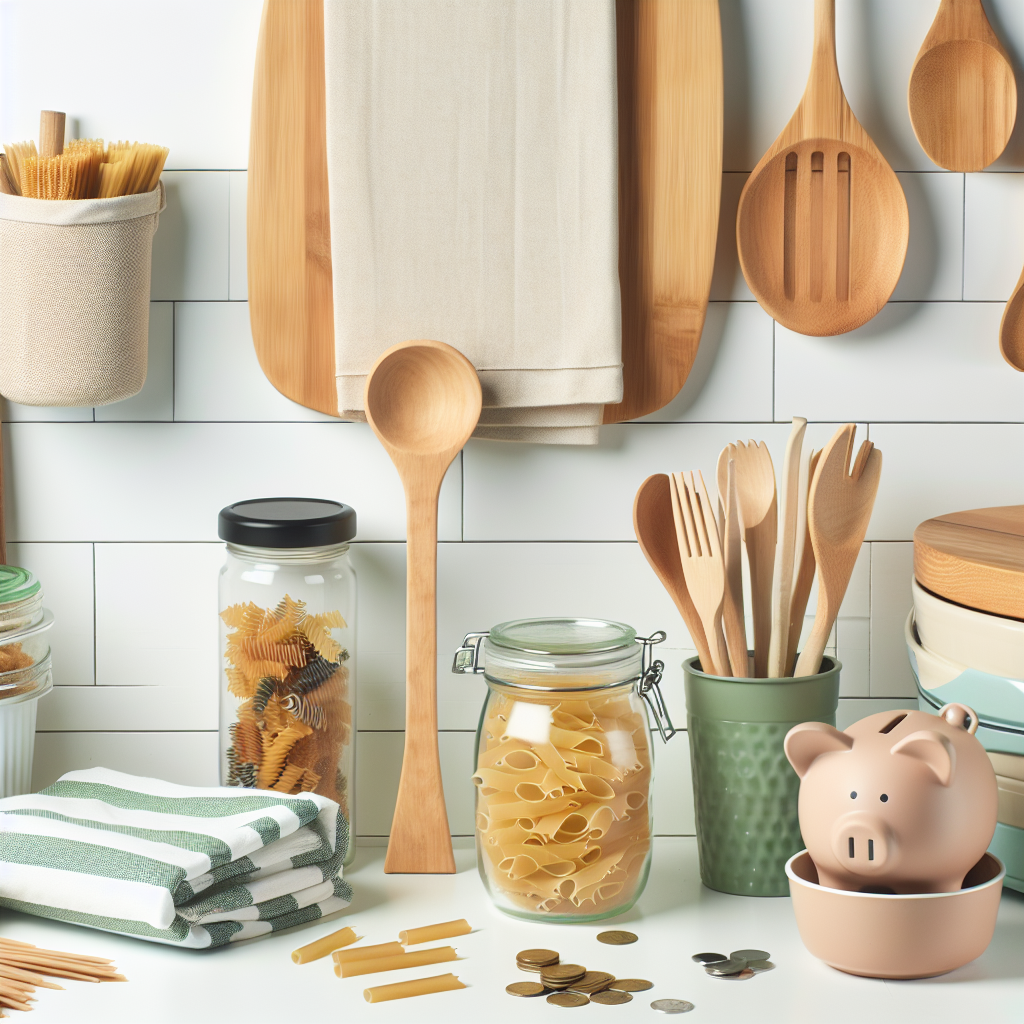
    Imagine a world where unicorns dance on rainbows made of recycled plastic. That’s what some people think zero-waste living is like! But a zero-waste lifestyle doesn’t have to cost a lot of money. You don’t need to pay for a kitchen full of mason jars or fancy bamboo toothbrushes. At Frugal Zeitgeist, we want to show you how to be green without spending too much. Let’s explore seven budget-friendly ideas to help you live a zero-waste life without needing a trust fund.

    Understanding Zero-Waste

    What does living a zero-waste lifestyle really mean? It’s about reducing what you throw away by thinking about how you use, recycle, and reuse things. The clever folks in this movement aim to cut waste at its source. They make sure products can either go back into nature or be used again. It might sound hard, but the perks are awesome: cleaner environments, saving money, and feeling good about helping the planet.

    Guess what? Zero-waste living can save money in the end! You don’t need to buy expensive eco-gadgets. By making life simpler and choosing quality over quantity, you can be surprised at how much you save.

    Tip 1: Start with What You Have

    You don’t need a shopping spree—your home has hidden treasures! Before spending a lot on new eco-friendly items, see what you already own.

    1. Get creative: Turn old curtains into reusable shopping bags. Use empty jam jars for cool kitchen storage.

    2. Use what you have: Don’t buy more until you finish things like half-used skincare products.

    3. DIY spirit: Make reusable items like cloth napkins from worn-out clothes. Every little bit counts!

    Tip 2: Buy in Bulk

    Want to cut down on packaging waste and save on groceries? Buy in bulk!

    1. Look for local bulk stores: They let you fill up containers with just what you need.

    2. Check your store’s bulk section: Many supermarkets offer bulk options now.

    3. Store wisely: Use glass jars or old containers to keep your bulk items fresh. Soon you’ll have a nice zero-waste pantry!

    Tip 3: Simplify Your Cleaning Routine

    Why need so many cleaners when you can do a lot with just a few things?

    1. Use vinegar, baking soda, and lemon: These are great for cleaning windows, mirrors, and laundry!

    2. Castile soap: A multipurpose star! It cleans floors, dishes, and can even wash your hair.

    3. Fewer products, more saves: Basic ingredients can replace lots of pricey cleaners. Save money and space!

    Tip 4: Use Reusable Items

    Spending a bit on reusables can help a lot with zero-waste living.

    1. Get reusable water bottles, coffee mugs, and lunch boxes.

    2. Use insulated bags and beeswax wraps to keep food fresh.

    3. Do the math: Compare the cost of disposables versus reusables over a year—you’ll be impressed at the savings!

    Tip 5: Shop Secondhand

    Why buy new stuff when you can find treasures while thrifting?

    1. Clothes and accessories: Thrift stores have everything from simple tees to fancy dresses.

    2. Home goods: Find furniture, appliances, and decor for less.

    3. A good impact: Buying pre-loved items means less need for new things, helping the planet. Plus, you might find something special!

    Tip 6: Plan Your Meals

    Avoid wasting food with this easy tip!

    1. Reduce waste: Use what you have and turn leftovers into tasty meals.

    2. Plan ahead: Know what meals you want for the week before shopping.

    3. Waste less: Simple recipes and smart grocery lists help you use everything and avoid buying too much.

    Tip 7: Easy Composting

    Turning food scraps into compost is simpler than you think!

    1. DIY compost bins: Use balcony boxes or small kitchen bins.

    2. Try worm composting: It works great in small spaces.

    3. Big benefits: See your garden grow and save on fertilizers. Plants love your homemade compost!

    Conclusion

    There you go—seven easy, budget-friendly tips to help you start living a zero-waste lifestyle without spending much. Take it slow, stay creative, and add more practices gradually. It’s a journey of learning and growth.

    These money-saving strategies also help the Earth, making saving the planet feel fun and rewarding!

    Additional Resources

    Want to learn more? Check out:

    • Books like “Zero Waste Home” by Bea Johnson.
    • Documentaries such as “A Plastic Ocean.”
    • Websites like the Zero Waste International Alliance.
    • Local workshops or groups focused on sustainability. Look for them on Meetup or Facebook groups.
    • Articles that show great zero-waste lifestyles.

    Remember, the Earth (and your wallet) will be grateful. Enjoy your zero-waste journey, fellow frugal enthusiasts!


  • 10 Easy Swaps for a Low-Waste Kitchen That Save You Money

    10 Easy Swaps for a Low-Waste Kitchen That Save You Money

    10 Simple Swaps for a Low-Waste Kitchen That Save Money

    Introduction

    Hello, thrifty friends and planet protectors! Welcome to Frugal Zeitgeist, a blog where we help you save money while also helping the planet. Today, we’re exploring the kitchen, a place where you can start living with less waste. Not only will this help the Earth, but you’ll also save money. By the end of this post, you’ll have lots of ideas to start your low-waste journey!

    What is a Low-Waste Kitchen?

    A low-waste kitchen tries to make less trash by using things that can be reused, composted, or recycled. By living a low-waste lifestyle, you can enjoy:

    • 🏦 Saving Money: Creating less waste means buying less and saving more.
    • 🌍 Helping the Environment: Reduce your carbon footprint and help save resources.
    • 🌿 Healthier Choices: Lower waste often means better quality and fewer chemicals.

    Making small changes and choosing sustainable options can easily fit into your routine. Let’s look at these smart swaps!

    Swap 1: Reusable Shopping Bags

    Single-use plastic bags are bad for our planet. It’s time to use reusable shopping bags! They are made from materials like canvas or recycled plastics and are strong, stylish, and eco-friendly. You can find them in stores and online.

    Tips:

    1. Keep some bags in your car or backpack to avoid forgetting them.
    2. Get bags that fold into a small pouch to fit in your purse or pocket.

    Swap 2: Glass Storage Containers

    Plastic containers can be bad because they have chemicals. Glass storage containers are better. They are strong, don’t absorb smells, and can handle high heat. Use them for leftovers, meal-prepping, and more.

    Buy different sizes for different needs, and you’ll save money by not needing replacements and keeping your food fresh.

    Swap 3: Beeswax Wraps vs. Plastic Wrap

    Plastic wrap can be hard to use. Beeswax wraps are a great replacement. They’re reusable, easy to wash, and can mold with your hand’s warmth.

    While beeswax wraps cost more upfront, they last for about a year and save you more than buying plastic wrap repeatedly. You can even make your own with fabric and beeswax!

    Swap 4: Bulk Buying and Reusable Produce Bags

    Buying in bulk is a superpower for reducing waste! Whether it’s grains, nuts, or soap, it lowers packaging waste and usually costs less. Pair with reusable produce bags to avoid plastic ones.

    Try stores like Costco, Sam’s Club, or local co-ops for bulk options.

    Swap 5: Composting Food Scraps

    Turn food scraps into treasure by composting! It’s easy to start a compost system and it reduces waste while providing rich fertilizer for gardens.

    Many cities offer compost programs, or you can start your own at home. By composting, you save on fertilizers and help your plants grow.

    Swap 6: Refillable Cleaning Products

    Cleaning products usually come in plastic bottles which create waste. Look for brands with refillable options, or make cleaners yourself with vinegar, baking soda, and essential oils.

    These are cheaper and better for the environment compared to toxic alternatives. Goodbye waste, hello clean kitchen!

    Swap 7: Cloth Napkins and Towels

    Imagine never buying paper towels or napkins again! Cloth ones are a great swap and give a classy touch to daily meals.

    Keep extras handy and wash them when they’re dirty. Over time, you’ll save money and reduce waste smoothly!

    Swap 8: DIY Coffee and Tea Solutions

    For coffee and tea lovers, single-use pods and bags are wasteful. Use reusable coffee filters and tea infusers instead. Loose tea and whole beans are cheaper and more enjoyable to prepare.

    Swap 9: Mason Jars for Storage

    Mason jars aren’t just for canning; they can store leftovers, organize pantries, and be drink cups or utensil holders.

    They’re versatile and reduce reliance on disposable items, saving money and helping the planet!

    Swap 10: Energy-Efficient Appliances

    Old appliances use a lot of energy, costing more money. Energy-efficient models can lower energy use and save on bills.

    Look for Energy Star certified appliances or use energy-saving settings whenever possible. You’ll reduce waste and make your home more efficient.

    Conclusion

    There you go, ten easy swaps to help you create a low-waste kitchen! Each change is as delightful as finding extra money in your pocket. Remember, it’s about progress, not perfection. Start small, have fun, and enjoy experimenting on your low-waste journey.

    We’d love to hear how you did with these swaps or any new ideas you have! Share your experiences or suggestions in the comments below.

    Call to Action

    Feeling motivated? Try at least one swap this week and see your savings and waste reduction! Don’t forget to subscribe for more tips on living a frugal, eco-friendly life. Until next time, keep smiling, saving, and sustaining! 🌿💰

  • 10 Simple Swaps for a Thriftier and Greener Home

    10 Simple Swaps for a Thriftier and Greener Home

    10 Simple Swaps for a Thriftier and Greener Home

    Introduction

    Hello, eco-warriors and penny pinchers! Welcome to Frugal Zeitgeist, where we love saving money and the planet just like people love Beyoncé at Coachella. Today, we’re exploring the amazing world of sustainable living. With small changes, you can make a big difference for both your wallet and Mother Earth. These swaps are so easy that you’ll wonder why you didn’t start sooner. Let’s start our journey to a thriftier and greener home, one swap at a time.

    1. Swap Disposable Products for Reusable Alternatives

    Let’s start by reducing waste! Our first swap is to replace disposable products with reusable ones.

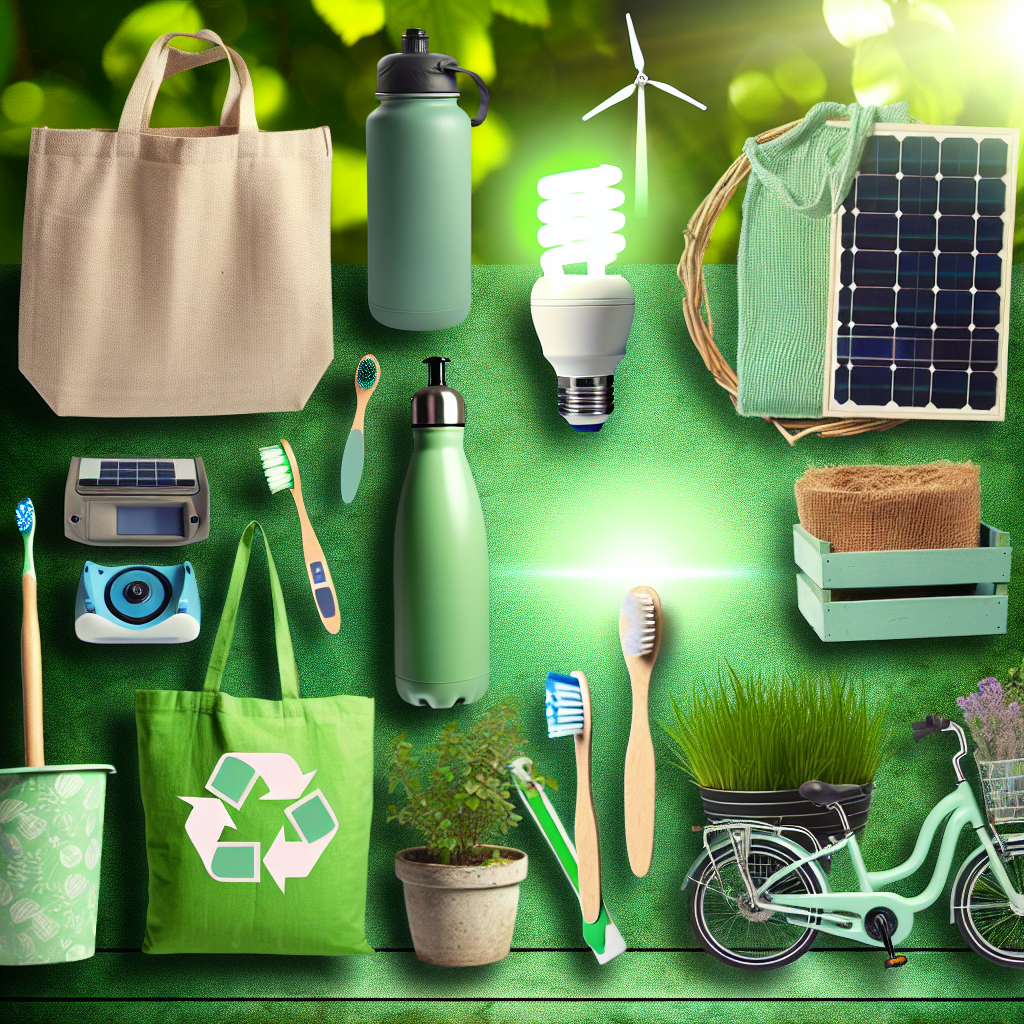
    • Reusable Shopping Bags: Say goodbye to those single-use plastic bags and say hello to stylish cloth or mesh bags. Carrying them will give your arms a workout, plus they help you save money!

    • Cloth Napkins: Make every meal feel fancy by using cloth napkins. Bonus tip: they’re great for wiping mustaches during spaghetti night.

    • Refillable Water Bottles: Stay hydrated with stainless steel or BPA-free bottles. Why pay for bottled water when you can save money and the planet with your own bottle?

    2. Choose Energy-Efficient Lighting

    Let there be light! And let it be energy-efficient.

    • LED Bulbs: It’s time to switch from incandescent bulbs to LEDs. LED bulbs save energy and money, unlike the old ones that burn through your savings.

    • Solar-Powered Outdoor Lighting: Let the sun light up your garden paths with solar lights that work even while you’re sleeping.

    • Use Dimmer Switches: Adjust your lighting with dimmer switches to create the perfect mood while saving energy.

    3. Opt for Natural Cleaning Products

    Let’s have a clean home without using harmful chemicals.

    • DIY Cleaners: Use vinegar, baking soda, and lemon to make cleaning products that tackle messes like a pro.

    • Castile Soap: This biodegradable soap is great for cleaning floors, dishes, and even your skin!

    • Essential Oils: Add a few drops of essential oils to your cleaners for a fresh-smelling home that’s free of grime.

    4. Upgrade to Energy-Efficient Appliances

    Go energy-saving with your appliances.

    • Energy Star Appliances: Buy appliances with the Energy Star label. They’ll help lower your energy bills and save the planet.

    • Smart Power Strips: Stop wasting energy with smart power strips. They cut off power to electronics that are off but still using energy.

    • Front-Loading Washers: These washers use less water and energy, making them a great choice for washing clothes.

    5. Embrace Water-Saving Practices

    Save water without wasting money.

    • Low-Flow Showerheads: Upgrade your showerhead to a low-flow one and save water without noticing a difference in your shower experience.

    • Faucet Aerators: Install these small devices to reduce water flow, saving money while keeping your faucet efficient.

    • Rainwater Collection: Use barrels to collect rainwater for your garden. Your plants will love it, and so will the environment!

    6. Make Your Own Beauty and Personal Care Products

    Bring the spa home with homemade beauty products.

    • Homemade Face Masks: Use honey, oats, and yogurt to pamper your face and keep it healthy.

    • DIY Toothpaste: Mix baking soda and coconut oil for a fresh, clean smile without wasting toothpaste tubes.

    • Natural Deodorants: Create deodorant with baking soda, cornstarch, and essential oils to stay fresh without harsh chemicals.

    7. Revamp Your Wardrobe

    Look great without spending a lot or harming the planet.

    • Thrift Shopping: Find unique clothes at thrift stores and save money while looking stylish.

    • Clothing Swaps: Host clothing swaps with friends to refresh your wardrobe without spending a penny.

    • Repair and Mend: Fix your clothes by mending holes and replacing buttons to make them last longer.

    8. Efficiently Manage Waste

    Reduce and manage waste creatively.

    • Composting: Turn kitchen scraps into nutrient-rich soil for your garden.

    • Recycling Stations: Set up bins for different recyclables and teach your family to use them.

    • Bulk Buying: Buy in bulk to reduce packaging waste and save money.

    9. Opt for Eco-Friendly Home Decor

    Decorate your home sustainably.

    • Natural Materials: Choose furniture made from sustainable wood, bamboo, or rattan.

    • Repurposed Furniture: Upcycle old furniture into stylish new pieces with creativity.

    • Houseplants: Add houseplants to purify the air and create a peaceful atmosphere.

    10. Enjoy Sustainable Eating Habits

    Eat in a way that’s good for you and the planet.

    • Local Farmers’ Markets: Buy fresh, local produce to support your community and reduce carbon footprints.

    • Meatless Mondays: Try plant-based meals one day a week, like vegetable pie.

    • Food Preservation: Learn to can, pickle, and freeze food to make it last longer.

    By making these easy swaps, you’re investing in a better future and saving money now. Small changes lead to big impacts, and you’re now part of the eco-savvy and frugal community. Thanks for joining us at Frugal Zeitgeist. Let’s keep saving the planet and our money—one swap at a time. 🌍💚

  • Top 10 Eco-Friendly Products That Save You Money

    Top 10 Eco-Friendly Products That Save You Money

    An “eco-friendly” label does not guarantee that a product is useful, durable, or cheaper over time. The best money-saving product is often something you already own. When a replacement is genuinely needed, the right question is not “Is this green?” but “Will I use it enough to replace repeated purchases or reduce an ongoing bill?”

    This guide focuses on product categories with a clear job and a plausible payback. Prices, utilities, recycling options, and product quality vary, so compare the full cost in your household before buying.

    Use this four-part test before buying

    1. Replacement: What recurring purchase or resource use will this replace?
    2. Payback: Purchase price divided by the saving per use gives a rough break-even point.
    3. Durability: Can it be repaired, cleaned, and used for years?
    4. Reality: Does it fit your routine, storage space, and local facilities?

    Do not count a saving if the old item will still be purchased “just in case.”

    1. A reusable water bottle you will carry

    A washable bottle can replace purchased bottled water where tap water is safe. Reuse a bottle you already have first. If buying, choose a simple size that fits your bag and is easy to clean; complicated lids and awkward shapes often end up unused.

    2. A travel mug for a routine you already have

    A travel mug saves only if you fill it at home or receive a real shop discount. Check leak resistance, cleanability, and whether it fits your cup holder. One reliable mug is better than a cupboard of promotional cups.

    3. Durable food containers

    Containers protect leftovers, make lunches portable, and reduce wraps or disposable bags. Start with sound containers already in the kitchen. Replace cracked, warped, or difficult-to-clean pieces only as needed, and choose shapes that stack with lids attached or stored together.

    4. Washable cleaning cloths

    Cut worn cotton towels or shirts into cloths before buying a new set. Keep clean and used cloths in obvious places so the system is easier than reaching for paper. Use separate, hygienic cloths for food-contact and bathroom jobs.

    5. A drying rack or clothesline

    Air-drying suitable laundry can reduce dryer use and wear on clothing. Check ventilation, humidity, building rules, and available space. A folding rack bought used can offer the same benefit as a new one. Continue to maintain dryer vents and follow fabric-care directions.

    6. LED bulbs—when existing bulbs fail

    Replace failed bulbs in the most-used fixtures with LEDs of the correct base, brightness, colour temperature, and dimmer compatibility. There is rarely a reason to discard working efficient bulbs just to make every fixture match.

    7. A switchable power strip for a real standby load

    A power strip can make it convenient to turn off several entertainment or office devices together. It is not suitable for every appliance, and it will not help equipment that must remain powered. Measure or identify the load first and use a properly rated, certified product—never as a substitute for permanent wiring.

    8. A low-flow showerhead that still performs well

    A suitable showerhead can reduce both water and water-heating use. Check local water pressure, flow specifications, installation requirements, and return policy. Repair a leaking fixture first; a new showerhead will not fix a plumbing problem.

    9. Basic repair and maintenance tools

    A small kit—appropriate screwdrivers, pliers, a tape measure, sewing supplies, and a bicycle pump where relevant—can extend the life of household goods. Buy only for jobs you can perform safely. Borrow or rent specialist tools, and hire qualified help for electrical, gas, structural, or hazardous work.

    10. A pressure cooker or slow cooker—only if it changes meals

    These appliances can make beans, soups, grains, and inexpensive cuts easier to prepare, but they are not automatic savings. Check what you already cook, counter space, energy use, safety features, and second-hand condition. A pot you already use confidently may be the better choice.

    Products that often fail the frugal test

    • Coordinated “zero-waste starter kits” that duplicate items you own.
    • Single-purpose gadgets used a few times.
    • Bulk packages that spoil before they are finished.
    • Connected devices with subscriptions, short support lives, or weak privacy controls.
    • “Biodegradable” disposables when local facilities cannot process them.
    • New storage containers purchased mainly for appearance.

    For a room-by-room order of operations, see Simple Swaps for a Sustainable and Budget-Friendly Home. For food purchases, use the price and waste routine in How to Reduce Your Grocery Bill While Living Sustainably.

    The 30-day purchase rule

    Write down the product, the problem it solves, the recurring purchase it replaces, and the expected break-even point. Wait 30 days for non-urgent items. During that time, try borrowing, repairing, or using something already owned. If the need remains and the numbers still work, buy the simplest durable option.

    Last reviewed: September 2026. Product safety, certifications, rebates, water quality, and local waste rules change; verify current local information before buying or installing.

  • 10 Surprising Everyday Items You Can Make Yourself to Save Money and Help the Planet

    10 Surprising Everyday Items You Can Make Yourself to Save Money and Help the Planet

    10 Surprising Everyday Things You Can Make Yourself to Save Money and Help the Planet

    Welcome to Frugal Zeitgeist, your place for all things smart, eco-friendly, and fun! In a world where people worry about the environment and money, it’s time to start doing things yourself. Not just as a hobby, but as a way of life. By doing these eco-friendly and money-saving projects, you can keep some cash in your pocket while making Earth happier. Let’s look at 10 surprising everyday items you can make yourself to save money and help the planet!

    1. Cleaning Products

    Ever feel dizzy from those strong cleaning smells? You’re not the only one! Many store cleaners have strong chemicals that can make even a skunk sneeze. Luckily, you can clean with simple homemade solutions.

    DIY Alternatives:

    • All-purpose cleaner: Mix equal parts of vinegar and water in a spray bottle. It’s simple but works great, making everything shine, from counters to bathroom tiles! Bye-bye, store cleaners, and hello, savings!
    • Window cleaner: Mix one cup of vinegar with one cup of water. Add a tablespoon of cornstarch, and watch your windows shine even brighter than your favorite TV shows.
    • Natural scrub: Mix baking soda with a few drops of your favorite essential oil, like lavender or lemon. It’s great for cleaning tough stains and is gentle on your nose.

    2. Personal Care Products

    Do store-bought personal care items confuse you with tough-to-say ingredients? Skip the confusion and make your own natural products!

    DIY Alternatives:

    • Homemade deodorant: Mix coconut oil, baking soda, and a few drops of essential oil. A quick stop at the DIY store can help!
    • Simple lip balm: Melt some beeswax with coconut oil and pour it into small containers. Ta-da, smooth lips without spending a lot!
    • Natural toothpaste: Mix baking soda with peppermint oil. Your teeth and wallet will thank you for keeping it simple and minty fresh.

    3. Reusable Beeswax Wraps

    Single-use plastic is a problem for our planet. That’s where beeswax wraps come in handy!

    How to Make Your Own:

    1. Find a piece of cotton fabric, beeswax pellets, parchment paper, and an iron.
    2. Put the fabric (cut to size) on a parchment paper surface.
    3. Sprinkle beeswax on the fabric.
    4. Cover with another piece of parchment paper and iron to melt the wax.
    5. Once cooled, say goodbye to plastic wrap! Your new wraps are moldable, washable, and reusable.

    4. Homemade Snacks

    Snack without guilt with nature-approved treats that won’t cost a lot or ruin your goals.

    DIY Ideas:

    • Granola bars: Mix oats, honey, and nuts for a sweet treat—no more overpriced energy bars!
    • Fruit leather: Puree your favorite fruits and bake them low and slow until they’re chewy. Perfect for school bags!
    • Popcorn: Use kernels the way they’re meant to be! Add natural herbs and spices for the perfect movie snack without artificial flavors—save money too!

    5. Cloth Tote Bags

    Say goodbye to plastic and paper bags that end up as litter. Let’s make tote bags instead!

    How to Make Cloth Tote Bags:

    • Find some old T-shirts or linens.
    • Sew the seams together into a neat carry bag.
    • Optional: Use fabric paint or magazine logos to decorate! Now your groceries have a cool new bag.

    6. Compost Bins

    Composting is a great way to recycle. Turn kitchen scraps into gold for your garden, saving landfills and helping plants.

    Making a Home Compost Bin:

    • Use an old plastic container or wooden box.
    • Add air holes—your compost needs to breathe!
    • Layer carbon-rich (like leaves) with nitrogen-rich scraps (like fruit peels).
    • Avoid oils, meats, and dairy—they’re partiers for bacteria!

    7. Natural Air Fresheners

    Store air fresheners can cover up bad smells but use natural air fresheners for a new, clean smell.

    DIY Alternatives:

    • Essential oil diffusers: Use reed sticks with your favorite essential oil for a nice scent.
    • Simmer pots: Boil cinnamon and citrus peels in water for a lovely smell throughout your home.
    • Scented sachets: Put dried herbs and flowers in small bags for drawers or closets.

    8. Recycled Paper Stationery

    The paper industry affects forests. Make your own recycled paper to help!

    Create Your Own Recycled Stationery:

    1. Blend shredded papers with water to make pulp.
    2. Spread the pulp on a framed mesh to create sheets.
    3. Let it dry, decorate it, and now you have eco-friendly paper for writing.

    9. Homemade Candles

    Stay away from store candles made with paraffin. Light up with homemade candles!

    Crafting Your Own Candles:

    • Melt soy wax or beeswax and pour it into molds.
    • Use natural scents or colors with essential oils.
    • Add shells, dried flowers, or other cute things for decoration.

    10. Upcycled Furniture

    Unloved furniture piles up in landfills. Turn them into treasures instead!

    Upcycling Tips:

    • Sand old furniture and paint it fresh.
    • Add new handles or cover with new fabrics.
    • Be creative and turn old into new without tossing it away.

    Conclusion

    And there you have it, ten amazing DIY projects that save money and make a difference. Start with one or two, and soon you’ll be a DIY master. Your wallet will thank you, and so will our planet. Let’s raise our bamboo straws to living sustainably and saving money—now that’s a happy pairing!

  • 10 Simple Swaps for an Eco-Friendly Kitchen That Save You Money

    10 Simple Swaps for an Eco-Friendly Kitchen That Save You Money

    10 Simple Swaps for an Eco-Friendly Kitchen That Save You Money

    Introduction

    Welcome to the Frugal Zeitgeist, where we’re on a mission to save the planet and our wallets, one kitchen swap at a time! Nowadays, being eco-friendly is super important (finally!). The truth is, making small, conscious changes in our day-to-day kitchen routines can snowball into a more sustainable lifestyle, all while saving some extra cash for something cool you’ve always wanted… like a llama. Okay, maybe not a llama, but you get the idea. Today, we’re exploring ten smart swaps for a more eco-friendly kitchen. Who knows, you might just become a kitchen hero in the process!

    1. Swap Single-Use Plastics for Reusable Alternatives

    Meet single-use plastics, the bad guys of our kitchen world. From plastic wraps to flimsy straws, they’re everywhere and bad for the environment. But don’t worry, we’ve got eco-friendly goodies ready to help! Say hello to reusable silicone food wraps and beeswax wraps, keeping your leftovers as snug as a bug in a rug. Ditch those plastic bags for cloth produce bags, and grab stainless steel or glass straws for your iced coffee. Ta-da! You’ve just decluttered your kitchen and saved the planet.

    2. Choose Energy-Efficient Appliances

    Let’s talk appliances – they make our lives easy. But are they using too much power? Many appliances take up lots of energy, making your bills bigger than a balloon! Switch to energy-efficient ones, like induction cooktops or Energy Star-rated fridges and dishwashers, and enjoy lower electricity bills. Plus, swap your lights for LEDs – they’re bright, beautiful, and good for your wallet.

    3. Opt for Sustainable Cleaning Supplies

    When life gives you dirty dishes or spills, you might reach for regular cleaners… but they can be harmful! Lots of cleaners have bad chemicals for you and the Earth. Say hello to the eco squad: vinegar and baking soda! They’re super cleaners you can put in spray bottles. Add some microfiber cloths, and you’re ready to clean up like a pro.

    4. Transition to Compostable and Recyclable Products

    Here’s a secret: Your kitchen trash isn’t breaking down quickly. Start composting food scraps and using biodegradable trash bags that disappear fast. And use recyclable paper towels, so your trash bin won’t fill up too soon.

    5. Invest in Quality Cookware and Utensils

    Who bought a cheap non-stick pan that didn’t last? Lots of us! Buy good kitchen tools that last. Stainless steel pots, cast-iron skillets, and bamboo or wooden utensils get better with age. Good tools save you money and trouble in the long run.

    6. Embrace Meal Planning and Batch Cooking

    Imagine this: it’s dinner time, and instead of staring into the fridge, you have a meal plan ready. Say goodbye to food waste! Make weekly menus and cook large meals to freeze. Use leftovers to make new dishes. Your tummy and wallet will thank you.

    7. Support Local and Organic Food Producers

    Have you thought about how far food travels to reach you? It’s a long journey! Support local and organic producers for fresh ingredients without guilt. Visit local farmers’ markets or join community-supported agriculture (CSA) programs. The food’s fresher and tastes better, and you’re helping the community and the planet.

    8. Grow Your Own Herbs and Vegetables

    Enjoy the benefits of homegrown, organic produce, while saving money. Gardening isn’t just a hobby; it’s a way of life. Start with easy herbs like basil, mint, and cilantro, and then try veggies like lettuce, spinach, tomatoes, and peppers. Your garden is waiting!

    9. Utilize Water-Saving Tactics

    Water is precious! Using it wisely helps your bills and the Earth. Install faucet aerators and save water easily. Run the dishwasher only when it’s full, and keep a pitcher of water in the fridge instead of letting the faucet run. Be a water-saving hero!

    10. DIY Food Storage Solutions

    Get ready for DIY projects! Sustainable food storage can be fun and pretty. Make your own reusable storage bags or use mason jars to organize your pantry. With creativity and frugality, you’ll be the Bob Ross of kitchen storage!

    There you go, folks: ten easy swaps to make your kitchen eco-friendly and help save money. At Frugal Zeitgeist, we believe saving the Earth can be stylish and affordable. Join us on this journey, and let’s make our lives—and the planet—greener, one swap at a time. Now go grab a tea, admire your beautiful kitchen, and plan your next big change – like organizing that drawer full of Tupperware. Happy swapping!

  • 10 Simple Swaps for a Budget-Friendly, Zero-Waste Kitchen

    10 Simple Swaps for a Budget-Friendly, Zero-Waste Kitchen

    10 Easy Changes for a Budget-Friendly, Zero-Waste Kitchen

    Introduction

    Welcome to Frugal Zeitgeist, your top spot for all things affordable and earth-friendly! Today, we’re heading into the most important part of the house: the kitchen. Did you know that by adopting zero-waste habits, you can help the Earth and save money, too? That’s right! Small changes in our kitchens can make big differences—for both the planet and your wallet. So, put on your zero-waste superhero capes, and let’s check out 10 easy changes that will keep your kitchen friendly to the environment and your budget.

    Understanding Zero-Waste Ideas

    Zero-waste might sound hard, but it’s really about making smart choices to reduce, reuse, and recycle in every part of our lives. In the kitchen, it means creating less garbage, using things more wisely, and being gentle on the planet. This idea helps the environment by cutting down on pollution and saving energy, and it saves you money by reusing things you might usually throw away. Think of zero-waste living like Marie Kondo’s tidying—whatever doesn’t bring joy or serve a purpose, we leave behind!

    Change 1: Reusable Grocery Bags

    Say goodbye to those weak plastic bags that rip too easily. Reusable grocery bags, often made of cloth or canvas, are a great way to use less plastic. They’re strong, usually bigger than plastic bags, and can be used again and again. Plus, they come in many cool designs to show off your personality! Keep some in your car or by the door, so you don’t forget them. Trust us; your groceries will thank you.

    Change 2: Glass or Stainless Steel Containers

    Switch out plastic containers with glass or stainless steel ones. These are kinder to the Earth and much better because they don’t put chemicals into your food. Pro tip: Check your local thrift store or look online for cheap options. Plus, when you organize leftovers or prep meals in these nice-looking containers, your fridge will look like it belongs in a Pinterest post. Instant kitchen happiness!

    Change 3: Beeswax Wraps Instead of Plastic Wrap

    Meet beeswax wraps, the zero-waste hero that keeps your food safe with a special, breathable cover. They come in bright designs and can be shaped using the heat from your hands. Beeswax wraps are washable, reusable, and even compostable! You can make your own with a DIY guide for that extra personal touch. Your sandwiches and snacks will feel so special!

    Change 4: Compostable Garbage Bags

    Compostable garbage bags—what a great idea! They lower the amount of plastic in landfills and help with composting at home. Start with a small indoor compost bin for fruit and veggie scraps. Who knew your trash could turn into garden treasures so easily? Various brands offer plant-based bags that break down with your compost. If you love DIY, try making your own!

    Change 5: Buying in Bulk and Using Refillable Jars

    Buying in bulk isn’t just for people puckering granola into mason jars on TikTok. It’s a smart and earth-friendly change that cuts down on packaging waste and saves money over time. Find a local bulk store and get some refillable jars—different sizes make a useful and pretty pantry. Label like a pro: flour, oats, quinoa… the world is your oyster (or your dry food supply).

    Change 6: Cloth Towels Instead of Paper Towels

    Say goodbye to paper towels, the unsung heroes of cleaning, and hello to cloth towels. They’re perfect for spills, cleaning, and drying without the constant waste of single-use paper. Keep a few in a drawer and wash them as needed. They’re the kitchen helpers you didn’t know you needed.

    Change 7: Homemade Cleaning Products

    Want to get rid of chemical-filled cleaners and save money, too? Try making your own! Mix simple cleaners with household items like vinegar, baking soda, and essential oils. These are gentle on your surfaces and kind to your wallet—and they smell good too! Say goodbye to harsh chemical smells and hello to fresh lemon scents!

    Change 8: Use Leftovers Creatively

    The word “leftovers” shouldn’t make you think of sad, old food in the fridge. Be creative! Leftover veggie stir-fry can become a delicious frittata. That lonely chicken breast? Shred it for tacos! Good storage and meal planning will make sure nothing goes to waste. Being smart with food isn’t about losing out—it’s about tasty new ideas!

    Change 9: Mason Jars for Storage and More

    Mason jars are the MVPs of kitchen storage: flexible, charming, and tough. Store grains, sauces, or dry goods, use them for meal prep, or even as drinking glasses. Use your imagination—turn them into candle holders or planters! Wherever creativity leads, mason jars can follow.

    Change 10: Avoid Single-Use Utensils and Dishes

    Lastly, avoid single-use waste. Get a portable utensil set for your snacks or picnics. At events and parties, use real plates and cutlery. Encourage guests to try zero-waste practices. Soon, your Earth-friendly habits will spread!

    Conclusion

    And there you have it—ten easy changes to make your kitchen a zero-waste wonder, happy to the planet and your budget. Start small with these changes and work towards a sustainable success. Share your zero-waste tips with your friends because together we can make a big difference. Remember, every small step is a giant leap toward a greener future!

    Extra Resources

    • Books: “Zero Waste Home” by Bea Johnson
    • Websites: The Zero Waste Chef, Trash is for Tossers
    • Documentaries: “Minimalism: A Documentary About the Important Things”
    • Community Groups: Find local zero-waste or sustainability groups on social media platforms—connect and share ideas!
    • More Reading: Check for more money-saving zero-waste tips on Frugal Zeitgeist’s blog.

    Start your journey to a budget-friendly, zero-waste life today! Until next time, keep it sustainable and fun! 🌿🥑

  • 10 Simple Swaps for a Zero-Waste Kitchen That Can Save You Money

    10 Simple Swaps for a Zero-Waste Kitchen That Can Save You Money

    10 Simple Swaps for a Zero-Waste Kitchen That Can Save You Money

    Introduction

    Welcome to a better world, where the Earth is happier, and you’re not spending tons of money every time you buy paper towels! More and more people are trying a zero-waste lifestyle because it’s good for our planet and saves money. At Frugal Zeitgeist, we love finding new ways to make life awesome. Today, let’s look at 10 easy changes you can make in your kitchen. This way, you can help the Earth and save money too!

    Understanding Zero-Waste Principles

    Let’s first talk about what zero-waste really means. Imagine a life where your trash can is almost empty. That sounds cool, right? Zero-waste means we try to send very little to landfills and recycle or compost as much as we can. It’s about using things wisely, instead of throwing them away. By doing this, you can turn your kitchen into a place where you use less and spend less – that’s a big win!

    The Problem with Traditional Kitchen Practices

    Our kitchens often make a lot of trash. Think about paper towels, plastic wrap, and throwaway forks and spoons. It’s like a tiny trash factory! While these things are super handy, they actually harm the environment and cost money. There must be a better way. Here’s where our zero-waste solutions come in to save the day!

    Simple Swaps for a Zero-Waste Kitchen

    Swap 1: Paper Towels to Cloth Towels

    Say goodbye to paper towels. Instead, try cloth towels! They can be used over and over, soak up messes well, and last a long time. You might spend a bit at first, but you’ll save loads of money in the long run. Got old t-shirts? Turn them into cleaning cloths!

    Swap 2: Plastic Wrap to Beeswax Wraps

    Meet your new picnic buddy: beeswax wraps. They’re great for wrapping up food and just need a gentle wash. These wraps are reusable and can go back to nature when you’re done with them.

    Swap 3: Disposable Bags to Reusable Silicone Bags

    Reusable silicone bags are amazing! You can store anything from frozen veggies to cookies. Over time, you’ll need to buy less plastic bags, which means more money stays with you.

    Swap 4: Conventional Dish Soap to Refillable Options

    Try refillable dish soap you can get in bulk. This way you save money on buying new soap bottles. Plus, finding places that let you refill can be a fun adventure!

    Swap 5: Plastic Containers to Glass Jars

    Store food in see-through glass jars. They’re safe, look nice, and don’t leak bad stuff into your food. Make your pasta look fancy and keep some oatmeal or cookies in them too.

    Swap 6: Sponges to Compostable/Reusable Alternatives

    Sponges always end up in the trash too soon. Instead, use eco-friendly scrubbers made from natural stuff. When they’re worn out, you can compost them instead of tossing them in the trash.

    Swap 7: Buying Pre-Packaged Foods to Bulk Buying

    Check out the bulk section for cheap food! You can get things like spices, nuts, and grains for a lot less money. This saves you money and helps reduce packaging waste.

    Swap 8: Store-Bought Cleaning Products to DIY Solutions

    Mix your own cleaning solutions using vinegar, baking soda, and lemon juice. It’s cheaper, has fewer chemicals, and smells great!

    Swap 9: Tea Bags to Loose Leaf Tea

    Go for loose leaf tea. It tastes better and cuts down waste. Use a cute infuser and make tea like a pro. Both your taste buds and your wallet will be happy.

    Swap 10: Bottled Water to a Water Filter

    Get a water filter. It gives you clean water without all the plastic waste and is easier on your back than lugging heavy bottles around.

    Practical Tips for a Successful Transition

    Changing how you do things can take some time. Start slowly, learn about your options, and remember to track how much money you’re saving and how small your trash pile is getting. It’s all about enjoying the journey to a cleaner, less cluttered future.

    Real-Life Success Stories

    Meet Angela from New York, who loves her beeswax wraps, and John, who stopped using paper towels in 2021 and hasn’t looked back. They’ve gone from being just okay at saving money to being zero-waste pros. They save hundreds of dollars each year and throw away less garbage. Yay, eco-heroes!

    Conclusion

    At Frugal Zeitgeist, we’re all for making smart choices that help the planet and save you money. With these ten easy swaps, having a zero-waste kitchen can be a reality today. Earth will thank you, and your future self will enjoy the extra money with a tasty, guilt-free treat. Let’s go, adventurers!

  • 10 Simple Swaps for a Greener Home That Won’t Break the Bank

    10 Simple Swaps for a Greener Home That Won’t Break the Bank

    10 Easy Changes for a Greener Home That Won’t Cost a Fortune

    Introduction

    Welcome to Frugal Zeitgeist, where we think living green doesn’t have to be expensive. With a few smart swaps, you can turn your home into an eco-friendly haven without spending a lot. More people are starting to care about the environment, and you know what? You don’t need to spend a ton of money to go green. Ready to help the planet and save money? Let’s look at ten easy changes to start living like an eco-warrior without breaking the bank.

    Swap 1: Energy-Efficient Lighting

    Why it matters: Using less energy helps reduce greenhouse gases and lowers your electricity bills. More savings for weekend treats or that yoga class you’ve been wanting!

    Quick tips:

    1. Replace old incandescent bulbs with LED or CFL bulbs. They last longer and use a lot less energy, which is good for the earth and your wallet.
    2. Let in natural light by opening your curtains during the day. Why use electricity when the sun is shining?

    Swap 2: Reusable Grocery Bags

    Why it matters: No more plastic bags that mess up our oceans and landfills. Reusable bags make for a cleaner planet and can even be a fun fashion accessory.

    Quick tips:

    1. Keep a few reusable bags in your car so you don’t forget them when shopping.
    2. Choose bags made from organic cotton or recycled polyester. Extra points if they have a funny eco-friendly message!

    Swap 3: Eco-Friendly Cleaning Products

    Why it matters: Regular cleaning products often have harmful chemicals. Eco-friendly ones are better for the planet and smell good too!

    Quick tips:

    1. Use plant-based cleaners that are biodegradable and free from toxins.
    2. Make your own cleaners with ingredients like vinegar and baking soda.

    Swap 4: Sustainable Paper Products

    Why it matters: Trees are super important. Using sustainable paper products helps save forests for future tree-huggers.

    Quick tips:

    1. Switch to recycled or bamboo toilet paper and towels.
    2. Use cloth napkins instead of disposable ones. They look stylish and are good for the planet.

    Swap 5: Water-Saving Fixtures

    Why it matters: Saving water helps protect the environment and can make your water bills smaller.

    Quick tips:

    1. Install low-flow showerheads and faucet aerators to use less water without losing any power.
    2. Fix leaks quickly. That dripping sound isn’t good for the wallet or ears.

    Swap 6: Smart Power Strips

    Why it matters: Some electronics use power even when they’re off, wasting energy. Smart power strips help stop this waste.

    Quick tips:

    1. Use power strips with timers or auto shut-off features.
    2. Make a habit of unplugging unused devices or rooms.

    Swap 7: Composting

    Why it matters: Composting cuts down on landfill waste and makes your garden healthier.

    Quick tips:

    1. Start composting with a small bin in your kitchen.
    2. Use compostable bags for your food scraps instead of the usual plastic ones.

    Swap 8: Natural Air Fresheners

    Why it matters: Skip the sprays with chemicals, and use natural scents to freshen up your home.

    Quick tips:

    1. Use essential oils or boil herbs and spices like cinnamon for a natural scent.
    2. Add houseplants—they clean the air and look great.

    Swap 9: Homemade Laundry Detergent

    Why it matters: Make your own detergent to use fewer chemicals and less packaging.

    Quick tips:

    1. Use ingredients like soap nuts or Castile soap to make laundry detergent.
    2. Use cold water for washing clothes; they come out clean, and you save energy.

    Swap 10: Reusable Water Bottles and Mugs

    Why it matters: Stop using single-use cups and bottles; it helps reduce waste.

    Quick tips:

    1. Get a good water bottle and travel mug that you like, and keep them handy.
    2. Take them everywhere, whether adventuring or just hanging out at work.

    Just a few of these changes can make your environmental footprint smaller and help save money. Why not start making these easy swaps today? Living green with Frugal Zeitgeist means caring for the planet and your wallet, all with a smile and maybe a bit of pride because you’re now an earth champion!

  • 10 Simple Swaps for an Eco-Friendly and Budget-Friendly Lifestyle

    10 Simple Swaps for an Eco-Friendly and Budget-Friendly Lifestyle

    10 Easy Ways to Live Eco-Friendly and Save Money

    Introduction

    Hey there, earth-loving friends! Here at Frugal Zeitgeist, we love the simple things in life, especially ones that don’t cost too much or hurt our planet. The Earth needs a little love right now, but being kind to it doesn’t mean we have to spend a lot of money. That’s where “simple swaps” come in: small changes we can make that help our wallets and the planet. Who said saving the world couldn’t be fun and easy?

    Benefits of Living Eco-Friendly and Saving Money

    Starting this journey is like giving yourself a high-five with lots of benefits:

    1. Helping the Environment: Each eco-friendly choice is like a drop of goodness, reducing pollution and saving resources. It’s like wearing a superhero cape with no laundry worries!

    2. Better Health: Less exposure to chemicals means a healthier you. Who needs a superhero cape when you’re glowing with good health?

    3. Saving Money: A lifestyle that keeps your bank account happy sounds like the best advice. It’s like your cool dad saying, “Save those pennies!”

    Ready to jump into some swaps that won’t make your wallet sad?

    Kitchen Swaps

    1. Reusable Grocery Bags: Plastic bags just pile up in landfills. Instead, use reusable grocery bags. They’re strong, look cool, and save you money in the long run!

    2. Beeswax Wraps Not Plastic Wrap: Say goodbye to sticky plastic wrap. Beeswax wraps can be reused and are easy to clean. Wrap your sandwiches like the eco-hero you are!

    3. Cloth Napkins Not Paper Napkins: Feel fancy with cloth napkins! They last a long time, even after spaghetti nights. You won’t spend much initially, and you’ll save a lot over time.

    1. Bulk Buying and Less Packaging: Get dry goods like rice and pasta in bulk. Less packaging means less waste and more savings. Those jars of lentils in your pantry will look awesome!

    Household Cleaning Swaps

    1. Make Your Own Cleaning Products: Use things like vinegar and baking soda instead of buying chemical cleaners. Add some essential oils, and you’ve got a cleaner that’s cheap and smells nice.

    2. Reusable Cleaning Cloths and Mops: Say goodbye to disposable cleaning products. Use reusable cloths and mops that love a wash. Your wallet will thank you!

    3. Natural Air Fresheners: Skip the chemical air fresheners. Try essential oil diffusers or potpourri instead. Your home will smell like a garden, not a chemistry lab.

    Fashion and Clothing Swaps

    1. Buy Second-Hand Clothes: Thrifting is fun! Second-hand clothes have their own cool stories and are cheap. Eco-friendly, budget-friendly, and perfect for a vintage party!

    2. Clothing Swaps with Friends and Family: Swap clothes with friends. It’s like shopping for free. Trade an old sweater for a new jacket. Staying stylish, the smart way!

    Personal Care Swaps

    1. Use Reusable Razors: Invest in a good reusable razor to save your skin and money. Say goodbye to cheap ones that don’t last.

    2. Make Your Own Beauty Products: Be a beauty scientist! Make face masks from honey and oats. They’re cheap and good for your skin (but maybe don’t eat them!).

    Transportation Swaps

    1. Public Transport and Carpooling: Take the bus or train. Carpool with friends to split gas costs. Plus, who doesn’t love travel karaoke?

    2. Walk or Cycle Short Distances: Put on your sneakers and walk or cycle. It saves gas and keeps you healthy. A win-win situation!

    Conclusion

    There you go, folks! Ten easy swaps to help your wallet and our planet. Start with one change and let the goodness spread. Small changes can make a big difference.

    Share your swap experiences. Take a picture, show it off, and tag us on social media. Let’s inspire others to take steps towards a greener future!

    Resources and References

    Join this eco-friendly adventure—the planet and your wallet will be very happy! 🌍💚